
That bubbly jar of starter on your counter could turn into a real side business. Many states let home bakers sell bread made in their own kitchens, but every state has its own rules.
Knowing those rules keeps you legal, protects your customers, and helps you avoid surprise fines. Find your state below and learn what it takes to start selling your sourdough with confidence.
Alabama: Take the Food Safety Course First
Alabama gave home bakers a big boost when it updated its cottage food rules in 2021. Sourdough bread is on the approved list, and you can sell it straight to customers in person or online within the state.
Before your first sale, you need to finish an approved food safety course. The state also caps yearly sales, which was set at 20,000 dollars when the law changed.
Every loaf needs a label with your name, address, and a note that it was made in a home kitchen not inspected by the health department. Keep receipts so you can track your totals.
Alaska: Room to Grow in the Last Frontier
Sourdough has deep roots up north. Gold rush miners were nicknamed sourdoughs because they guarded their starters like treasure, sometimes sleeping with them to keep them warm.
Today, Alaska lets home bakers sell shelf-stable goods like bread without a permit under its cottage food exemption. Sales usually happen directly to the buyer, such as at markets, fairs, or from your home.
There is a yearly sales limit, so check the current amount with the Alaska Department of Environmental Conservation. Your labels must say the food was not made in an inspected facility.
That simple sentence keeps you on the right side of the law.
Arizona: Register Online and Grab a Food Handler Card
Good news for desert bakers: Arizona makes the setup pretty painless. You register with the Arizona Department of Health Services through its Cottage Food Program, and the process happens online.
Every person who prepares food in your home business needs a valid food handler card. These cards are cheap and usually take about an hour to earn.
Once registered, you can sell sourdough at farmers markets, from home, and at events. Arizona does not set a strict dollar cap for cottage bakers, which is great for growing sellers.
Just remember your labels need your registration number and allergen information printed clearly.
Arkansas: Food Freedom Opens the Door
Picture selling bread to your neighbors without filling out a single permit. Arkansas made that possible with its Food Freedom Act in 2021.
Home bakers can sell sourdough and other non-perishable foods directly to customers with no license and no yearly sales cap. Later updates also expanded how you can deliver and sell within the state, including online orders.
The big rule is labeling. Your label must state that the food was made in a private home not inspected by the health department.
Add your name, address, ingredients, and allergens. It takes a few minutes and builds trust with buyers.
California: Choose Class A or Class B
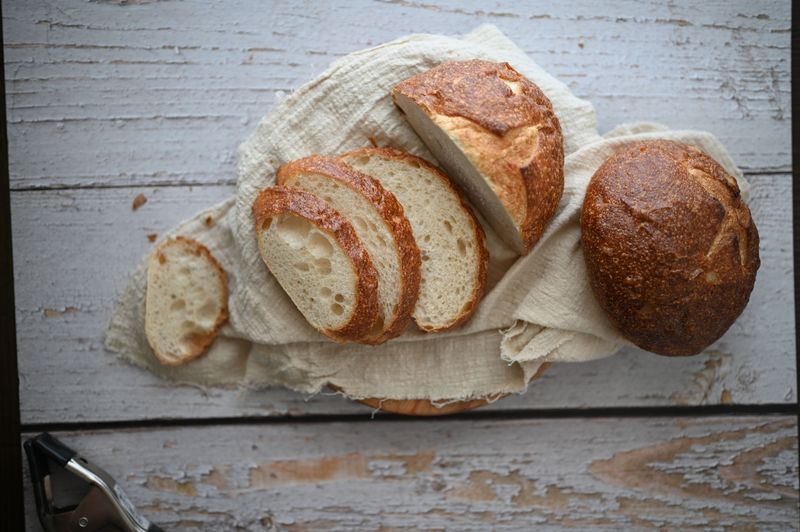
San Francisco made sourdough famous, so it fits that California has a well-built cottage food system. You register with your county environmental health office and pick a class.
Class A covers direct sales, like selling at markets or from home. Class B lets you also sell through shops, cafes, and restaurants, but it requires a yearly home kitchen inspection.
Both classes have yearly sales caps that the state adjusts over time, so check your county’s current numbers. You also need a food processor course within three months of registering.
Fees vary by county, so call ahead before budgeting.
Colorado: Watch Your Per-Product Limit
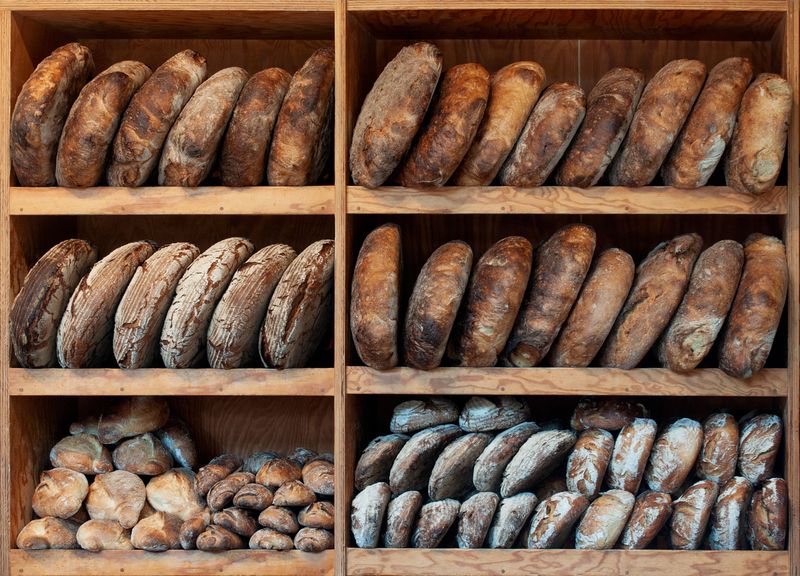
Colorado does something unusual. Instead of one total cap, the Colorado Cottage Foods Act limits sales per product, so your sourdough has its own yearly earnings limit.
No license is needed, but you must complete a food safety training course. The class covers handling, storage, and cleanliness, and it can usually be finished online.
Sales must be direct to the consumer, such as at markets, roadside stands, or from home. Labels need the phrase stating the food was made in a home kitchen not inspected by the state.
Clever tip: offering several bread varieties can help you stay under each product’s limit.
Connecticut: Get Licensed With Consumer Protection
Connecticut took its time joining the cottage food club, passing its law in 2018. Now home bakers can sell bread legally, but there is some paperwork involved.
You apply for a cottage food license through the Department of Consumer Protection. Expect an application fee and possibly a kitchen inspection before approval.
Sales go directly to customers, so plan on markets, events, or pickups at your home. Labels must include your license number and a home kitchen statement.
Pets usually need to stay out of the kitchen while baking, so your cat may need a new hangout spot.
Delaware: Finally Open to Everyday Bakers
Delaware used to be one of the toughest states for home bakers, with home food sales tied mostly to farms. That changed when the state created a cottage food program in 2016, open to regular home kitchens.
You register with the Delaware Division of Public Health and complete food safety training before your first sale. Certain baked goods, candy, jams, and jellies are on the approved list, and sourdough fits right in.
In late 2023, the state removed its yearly sales cap and dropped the rule requiring your home address on labels. Sales still go directly to customers, so stick to markets, events, and home pickups.
Florida: One of the Friendliest States Around
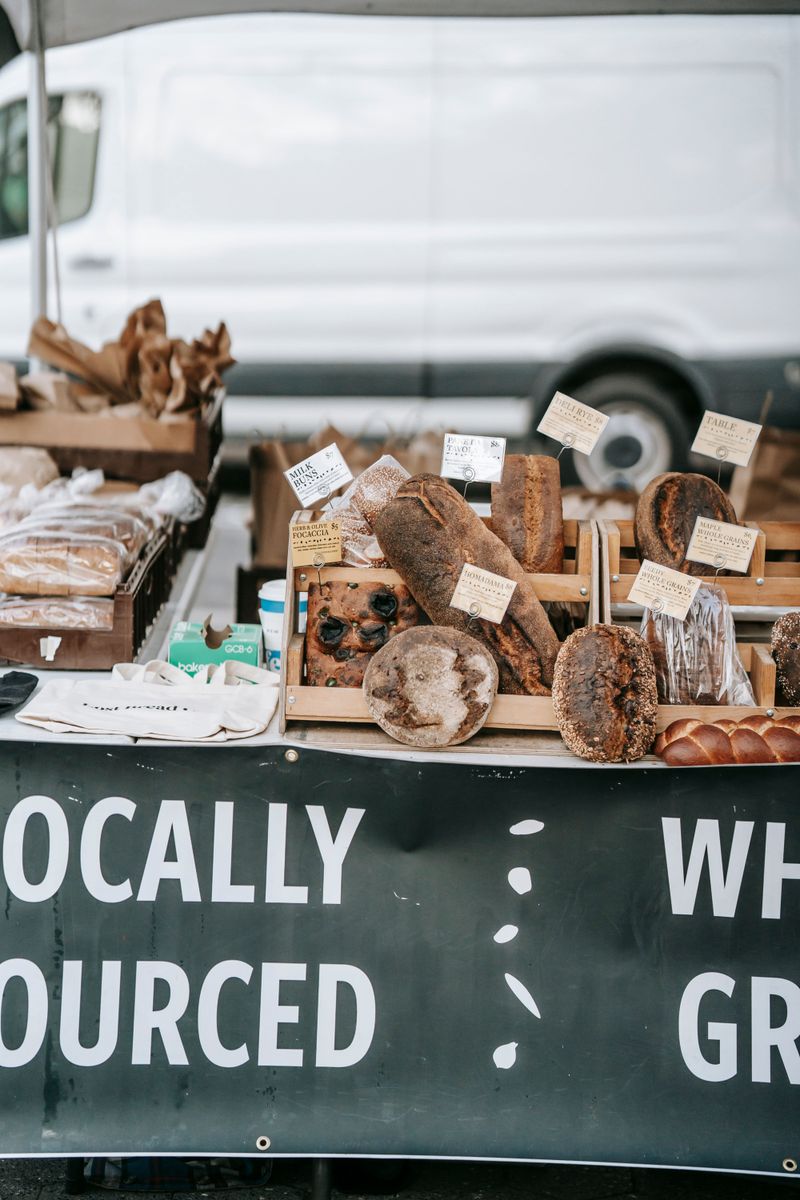
Florida bakers, you hit the jackpot. The state requires no license, no permit, and no inspection for cottage food operations selling bread.
Florida also has one of the highest sales caps in the country at 250,000 dollars per year. You can sell in person, online, and even ship within Florida by mail.
Labels still matter a lot. Include your name, address, ingredients, allergens, and the required sentence saying the food was made in an unlicensed home kitchen.
Sales to stores or restaurants for resale are not allowed, so stick with selling straight to the people eating your bread.
Georgia: No License Needed Anymore
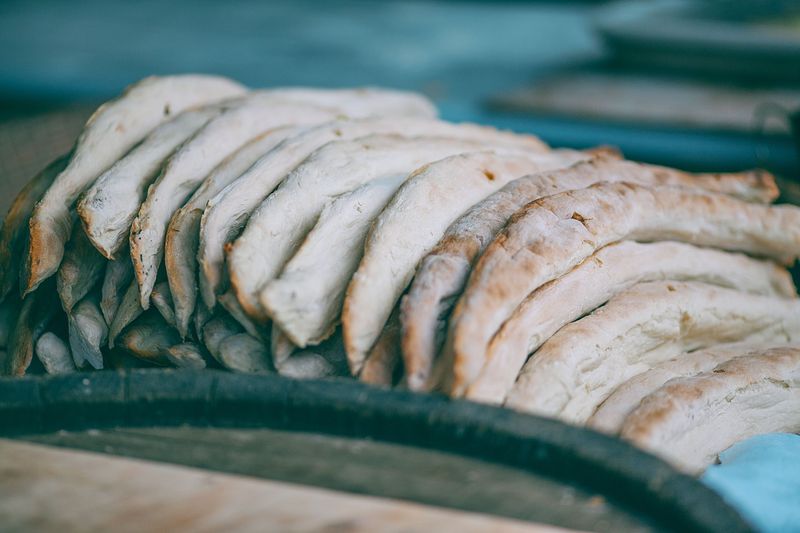
Peaches may be Georgia’s claim to fame, but home bread just got a lot easier to sell there. A new law, HB 398, took effect on July 1, 2025, and it changed the game for cottage bakers.
The state no longer issues or requires a cottage food license, so there is no yearly fee to pay. You can even sell to local shops and restaurants, which few states allow.
Labels must tell buyers the bread was made in a home exempt from state inspection and may contain allergens. You can register for an optional ID number from the Georgia Department of Agriculture to use instead of your home address.
Hawaii: Aloha to Easy Home Bread Sales
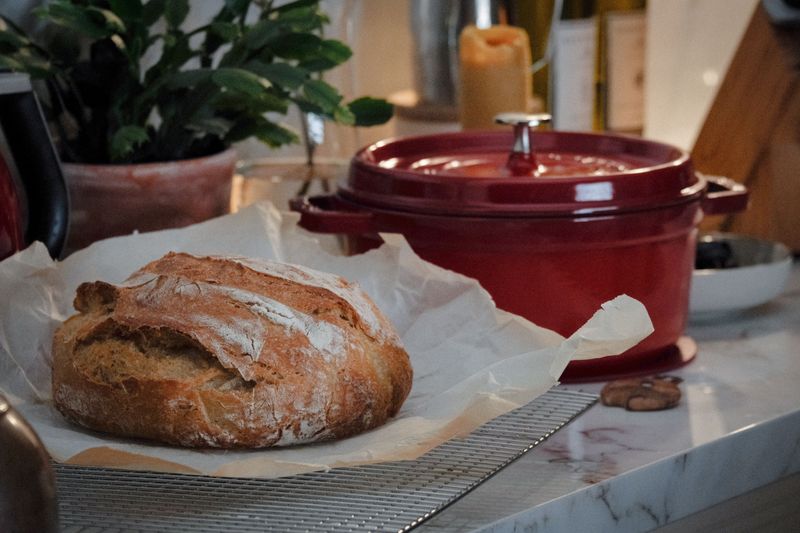
Hawaii updated its cottage food rules in 2021, and island bakers were thrilled. Shelf-stable foods like sourdough bread can now be sold from home without a permit.
Sales must be direct to consumers, which includes farmers markets, events, and your home. Online orders can work as long as you deliver the bread personally or the buyer picks it up.
Labels must clearly state the food was made in a home kitchen not inspected by the Department of Health. Humid island air can make crusts soft fast, so consider paper bags over plastic to keep that crackly bite.
Idaho: Direct Sales Made Simple
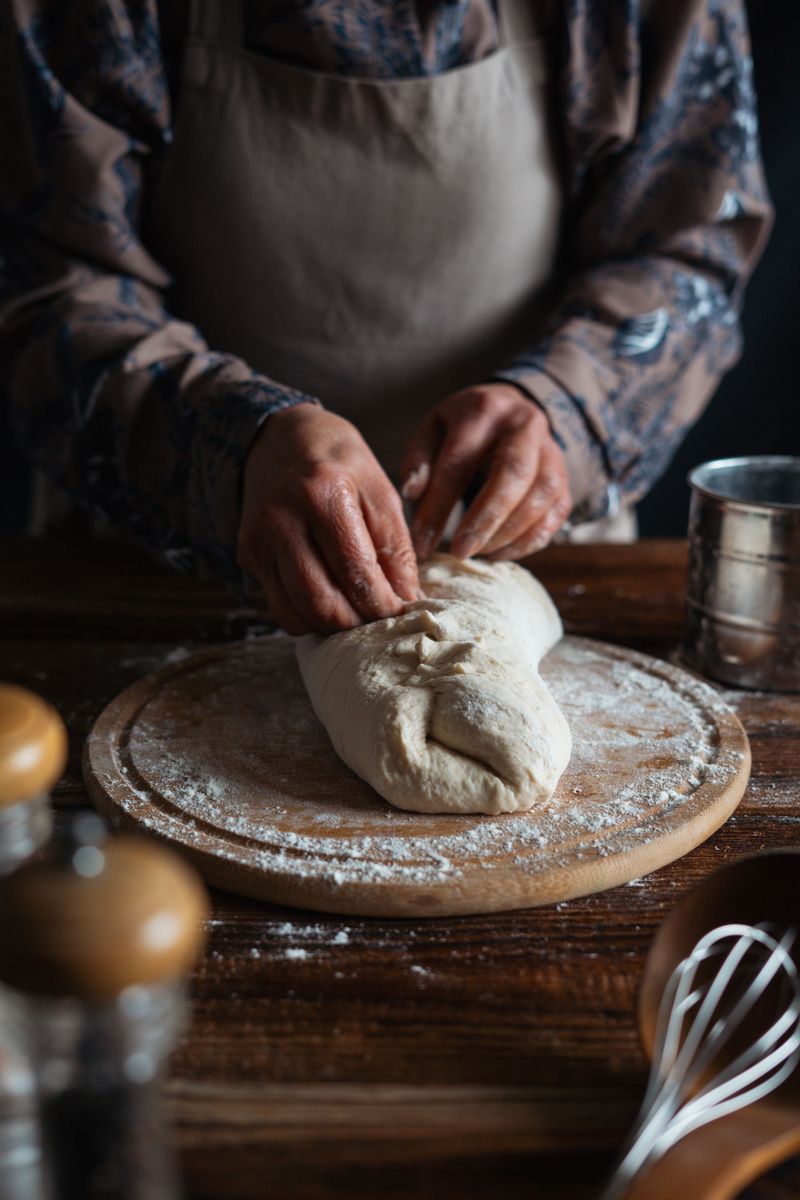
Idaho is famous for potatoes, and fun fact, potato water is a classic trick for softer sourdough. In March 2026, the state also made life much easier for home food sellers.
The new Idaho Direct-to-Consumer Commerce Act lets you sell homemade foods like sourdough straight to customers with no license or permit. A trusted helper, called a designated agent, can even sell for you.
You must tell every buyer that your bread is not subject to inspection or licensing, and sales must stay inside Idaho. Selling wholesale to stores is not covered by this law.
Illinois: Register With Your Local Health Department
Illinois gives you two possible paths: a cottage food operation or a home kitchen operation. Both require registering with your local health department.
Cottage food operators need a food sanitation manager certificate or food handler training, depending on the setup. Registration fees vary across counties, and some local departments may inspect your kitchen.
Once registered, you can sell sourdough at farmers markets, from home, and online with delivery in the state. Labels must list your registration details.
Chicago and Cook County sometimes have extra steps, so city bakers should double check before buying fancy bread bags.
Indiana: Become a Home-Based Vendor
Hoosier bakers sell under a program called Home-Based Vendor. No license or inspection is needed for non-perishable foods like sourdough.
A food handler certificate is required, and the state expanded the rules in 2022. Now you can sell from home, at markets, and even deliver or ship within Indiana.
Your label must include your name, address, ingredients, and the statement that the product is home-produced and not inspected. The date it was made also belongs on the label.
Customers appreciate knowing their bread is fresh, so that rule actually helps you sell more.
Iowa: Bigger Opportunities After 2022
Things changed for Iowa bakers in 2022. A new law expanded what home food businesses can sell and raised the yearly sales limit for registered home food processors.
Bread sold at farmers markets has long had relaxed rules. If you want to sell more widely, you may need to register with the Iowa Department of Inspections, Appeals, and Licensing.
Labeling is required, including a home kitchen statement and allergen info. Since Iowa grows tons of grain, buying local flour can be a great selling point.
Shoppers love hearing their loaf came from fields nearby.
Kansas: Farmers Markets Are Your Friend
Kansas grows more wheat than almost any state, so bread lovers are everywhere. The rules for home bakers, though, are not spelled out in a big cottage food law.
Low-risk baked goods like sourdough are generally allowed at farmers markets and similar direct sales without a license. Selling to stores or restaurants usually requires a licensed kitchen.
Because the rules are less formal, call the Kansas Department of Agriculture before starting. Ask about labeling, home sales, and online orders.
Getting answers in writing protects you if questions come up later from a market manager.
Kentucky: Register as a Home-Based Processor
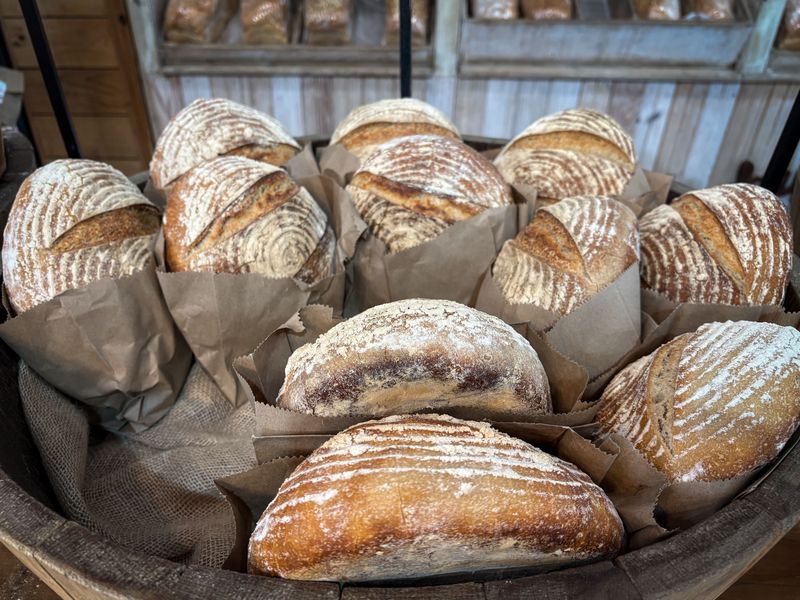
Kentucky calls its home bakers home-based processors. You register each year with the Kentucky Department for Public Health’s Food Safety Branch, and the fee is just 50 dollars.
No training course is required, and bread is on the approved list. Registration renews every spring, so mark March 31 on your calendar.
You can sell at farmers markets, roadside stands, fairs, community events, and from your home. Orders can come in by phone or online, but sales must stay inside Kentucky, with a yearly limit of 60,000 dollars.
Labels need your name, address, ingredients, net weight, and allergens. Bonus idea: pair your loaves with local honey from a Kentucky beekeeper for a winning gift bundle.
Louisiana: Bake and Sell Without a Permit
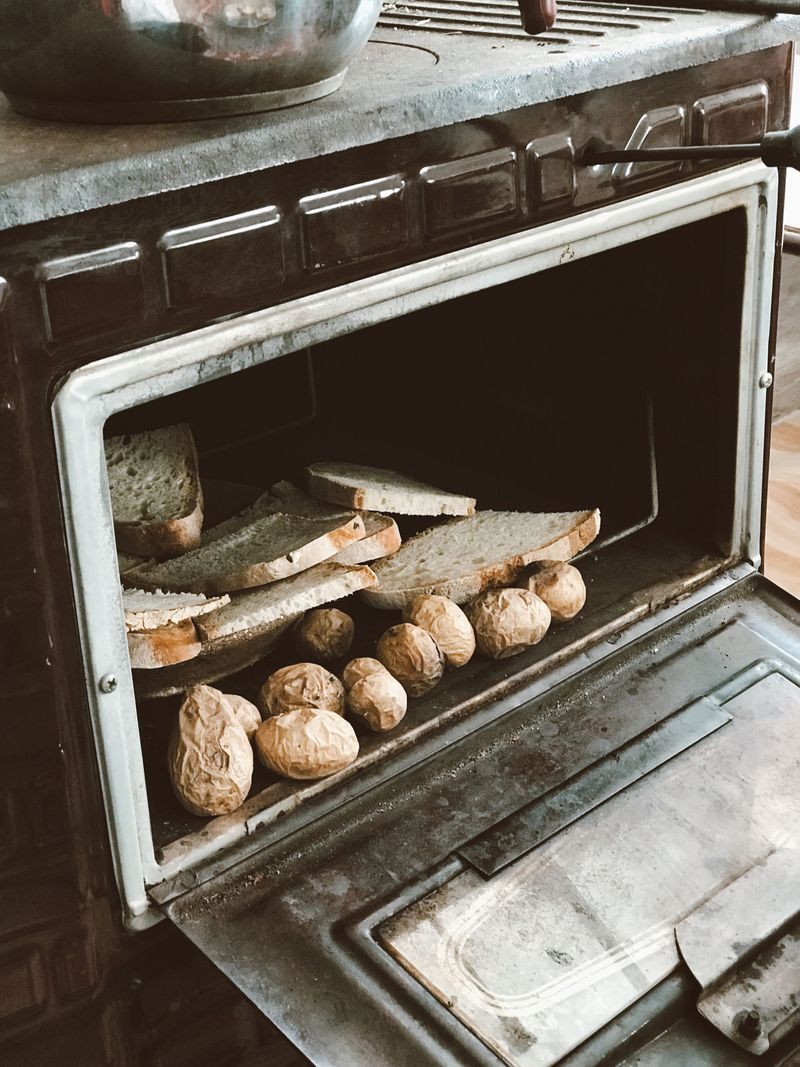
Down in Louisiana, food is basically a love language. The state’s cottage food law lets home bakers sell bread without getting a permit from the health department.
There is a yearly sales cap, which lawmakers have raised over time. Sales must go directly to the person buying, like at markets or from home.
Labels need a statement that the food was made in a home kitchen not inspected by the state. Think about what pairs well with local dishes.
A tangy sourdough loaf next to a pot of gumbo might win over plenty of hungry neighbors.
Maine: Home Food Manufacturing License Required
Maine takes a hands-on approach. Home bakers need a home food manufacturing license from the Maine Department of Agriculture, Conservation and Forestry.
The process includes an application, a fee, and a kitchen inspection. If your home uses well water, expect to test it for safety.
Once licensed, Maine bakers can often sell more widely than in many states, including to local shops. That makes the extra steps worth it for many people.
Coastal tourist towns get busy in summer, so stock up on bread bags before vacation crowds arrive hungry.
Maryland: Updated Rules for Cottage Bakers
Maryland has updated its cottage food rules a few times, giving home bakers more freedom. Bread like sourdough is an approved product.
Recent changes added registration with the Maryland Department of Health and raised the yearly sales limit. Sales can include markets, events, home pickup, and online orders delivered within the state.
Labels must include your business name, address, ingredients, allergens, and a home kitchen statement. Some counties have extra zoning rules for home businesses.
A quick call to your county office can save you from a surprise letter later.
Massachusetts: Talk to Your Town Board of Health
Massachusetts handles home baking town by town. You apply for a residential kitchen permit through your local board of health.
Expect a kitchen inspection, a fee, and possibly a water test if you use a private well. Some towns move fast while others take weeks, so start early.
With a permit, many bakers can sell to local stores as well as directly to customers. That flexibility is a big plus.
Rules vary between towns, so ask about labels, storage, and pets. A friendly chat with the inspector goes a long way here.
Michigan: Simple Rules, Clear Labels
Michigan’s Cottage Food Law has been around since 2010, and it got a major upgrade on March 24, 2026. You still need no license, no inspection, and no registration.
The yearly sales limit doubled to 50,000 dollars, or 75,000 if you sell a product priced at 250 dollars or more. Starting in late 2026, those numbers will adjust with inflation.
Even better, you can now sell online, ship within Michigan, and use third-party delivery. Just give customers a way to message you directly before they buy.
Minnesota: Register and Take Training
Ever heard of the Minnesota Cottage Food Exemption? Home bakers register with the Minnesota Department of Agriculture and complete a short training course.
The state uses tiers based on how much you sell each year. Smaller sellers pay little or nothing to register, while bigger sellers pay a small fee.
Online sales are allowed with in-person delivery or pickup in Minnesota. Labels must include your registration number and a home kitchen statement.
Cold winters make bread proofing slow, so many bakers keep their dough near the oven or in a turned-off oven with the light on.
Mississippi: Sell Online Within the State
Mississippi bakers got a nice upgrade in 2020 when the state began allowing online cottage food sales. Bread can now be advertised and sold over the internet.
No permit is needed, but there is a yearly sales cap, so track your income carefully. Delivery must stay within Mississippi, and the buyer gets the food directly from you.
Your label must state that the food was made in a home kitchen not inspected by the health department. Ingredients and allergens belong there too.
Social media pages can make a small bread business feel like a hometown favorite.
Missouri: Online Orders Got Easier
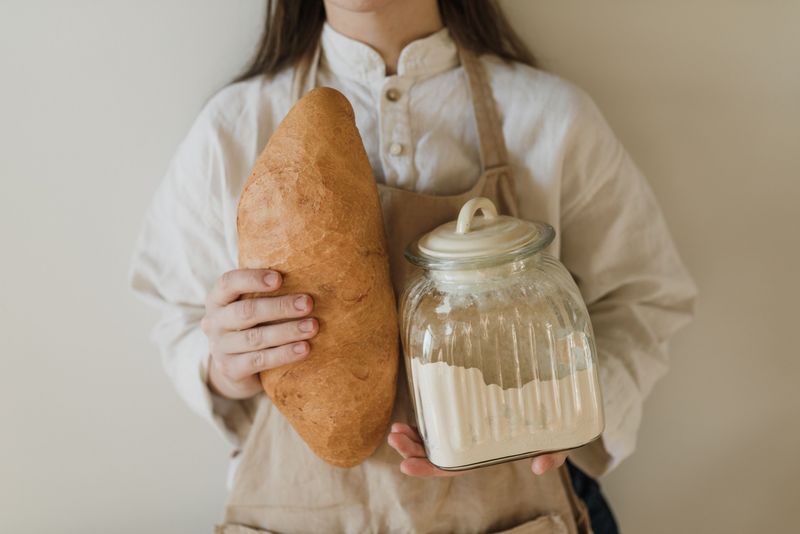
Show-Me State bakers can sell sourdough without a license from the state. Missouri updated its law in 2022 to allow online and phone orders with delivery inside the state.
Local health departments sometimes have their own extra rules, so city sellers should double check. Kansas City and St. Louis areas may handle things a bit differently.
Labels must include your name, address, and a statement that the food was not made in an inspected kitchen. Selling to restaurants is not allowed under the cottage rules.
Focus on loyal customers who come back every week for fresh loaves.
Montana: Local Food Choice Act
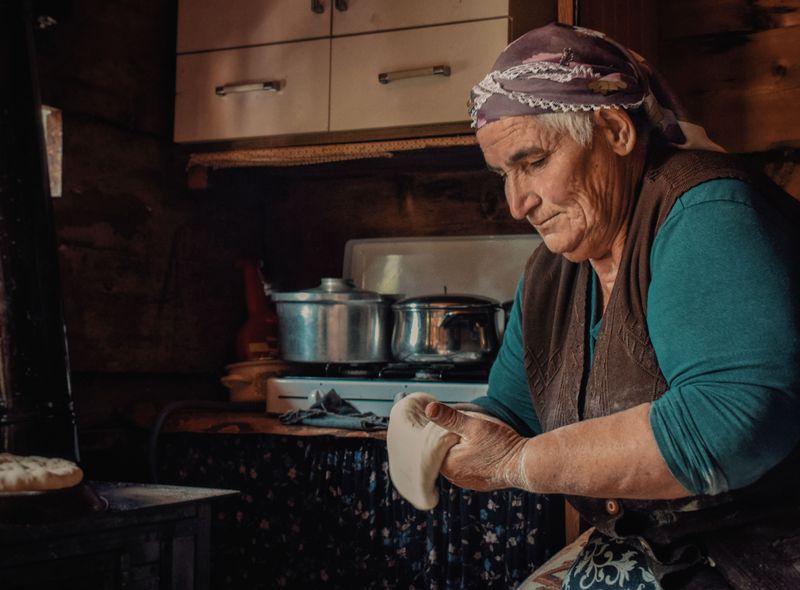
Big Sky Country passed the Local Food Choice Act in 2021, and it gave home bakers lots of room to roam. Most homemade foods can be sold directly to informed customers.
No license or inspection is needed for these sales. The key word is informed, which means buyers must know your food was made at home without inspection.
A clear label handles that job nicely. Some local health departments still offer guidance, so reach out if you have questions.
Ranch towns love fresh bread, and a sourdough subscription could keep regulars stocked all winter long.
Nebraska: Know Where You Can Sell
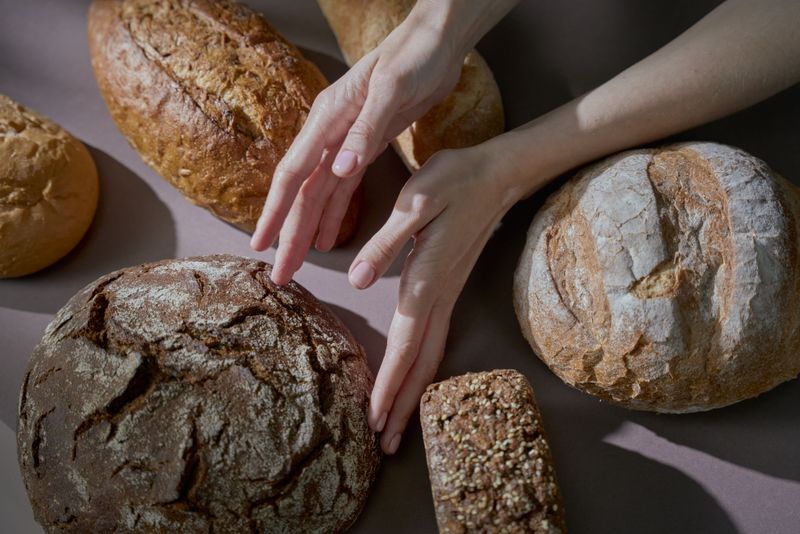
Nebraska has a cottage food law that allows non-perishable foods like bread to be sold by home bakers. Recent updates expanded where those sales can happen.
Some sales options may require registration with the Nebraska Department of Agriculture and a food safety course. Farmers market sales have traditionally been the easiest route.
Labels should include your name, address, and a statement that the food was made in a home kitchen not inspected by the state. Ask your local market about booth fees and setup times.
Arriving early often grabs the best spot near the entrance.
Nevada: A Big Upgrade for Home Bakers
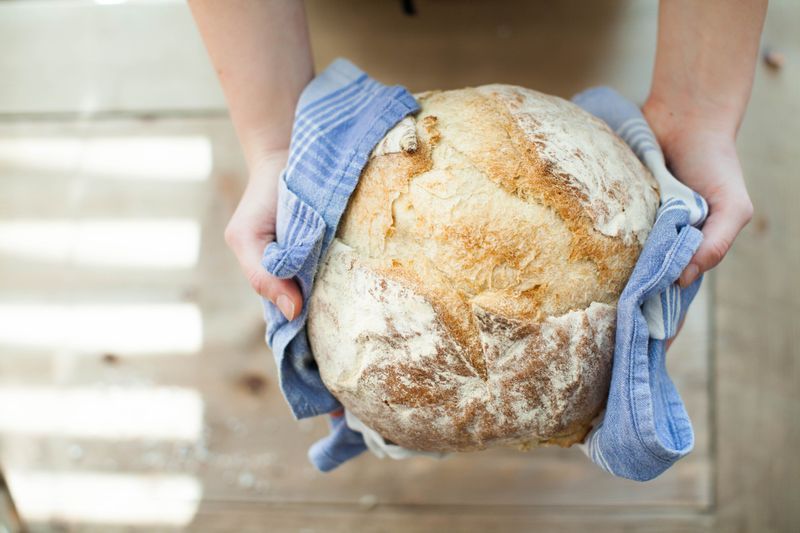
Nevada used to have one of the lowest sales caps for home bakers in the country. That changed in 2025, when a new law passed with unanimous support.
AB 352 raises the yearly limit from 35,000 to 100,000 dollars. It also lets you take orders online or by phone and deliver by mail or through delivery apps.
Oversight is moving from local health districts to the Nevada Department of Agriculture, and parts of the law roll out in stages. Check the current registration steps and start dates before you launch.
Labels must say your bread was made in a home kitchen not inspected by a health authority.
New Hampshire: Homestead Food Operations
Live Free or Die is New Hampshire’s motto, and its home bakery rules match that spirit. The state calls these businesses homestead food operations.
Small sellers under a set yearly limit do not need a license when selling directly to customers. Bigger sellers, or those who want to sell to stores, can apply for a homestead food license.
Labels need your name, address, ingredients, and a home kitchen statement. Fall foliage season brings huge crowds of visitors.
Setting up at a roadside stand on a busy autumn weekend could sell out your sourdough before lunch.
New Jersey: Finally a Cottage Food Permit
For years, New Jersey was the only state that blocked home bakers completely. That changed in 2021 when the state created a cottage food permit.
You apply through the New Jersey Department of Health, take a food protection manager course, and pay a fee. The yearly sales cap was set at 50,000 dollars.
Sales go directly to the consumer, including markets and home pickups. Labels must show your permit number and a home kitchen statement.
After all that waiting, Jersey bakers can finally share their loaves legally, and many are making up for lost time.
New Mexico: Home-Based Food Processor Permit
Red and green chile might rule New Mexico menus, but a chile cheddar sourdough could be your bestseller. Home bakers here need a home-based food processor permit.
The permit comes from the New Mexico Environment Department and includes training and a possible kitchen inspection. Fees are fairly modest.
Once approved, you can sell at markets, events, and from home. Labels must list your permit number, ingredients, and allergens.
Albuquerque has its own city environmental health office, so bakers there apply locally. High altitude affects baking too, so test your recipes before selling.
New York: Free Home Processor Registration
Here is a pleasant surprise: New York’s home processor registration costs nothing. You sign up with the Department of Agriculture and Markets.
Bread is an approved food, and you can sell at markets, from home, and even to some stores within the state. Online orders are allowed, but shipping out of state is not.
Labels need your name, address, ingredients, and a statement about being made in a home kitchen. Homes with private wells may need a water test.
Busy city schedules make preorders handy, so customers can grab their loaf on the way home.
North Carolina: Plan for an Inspection
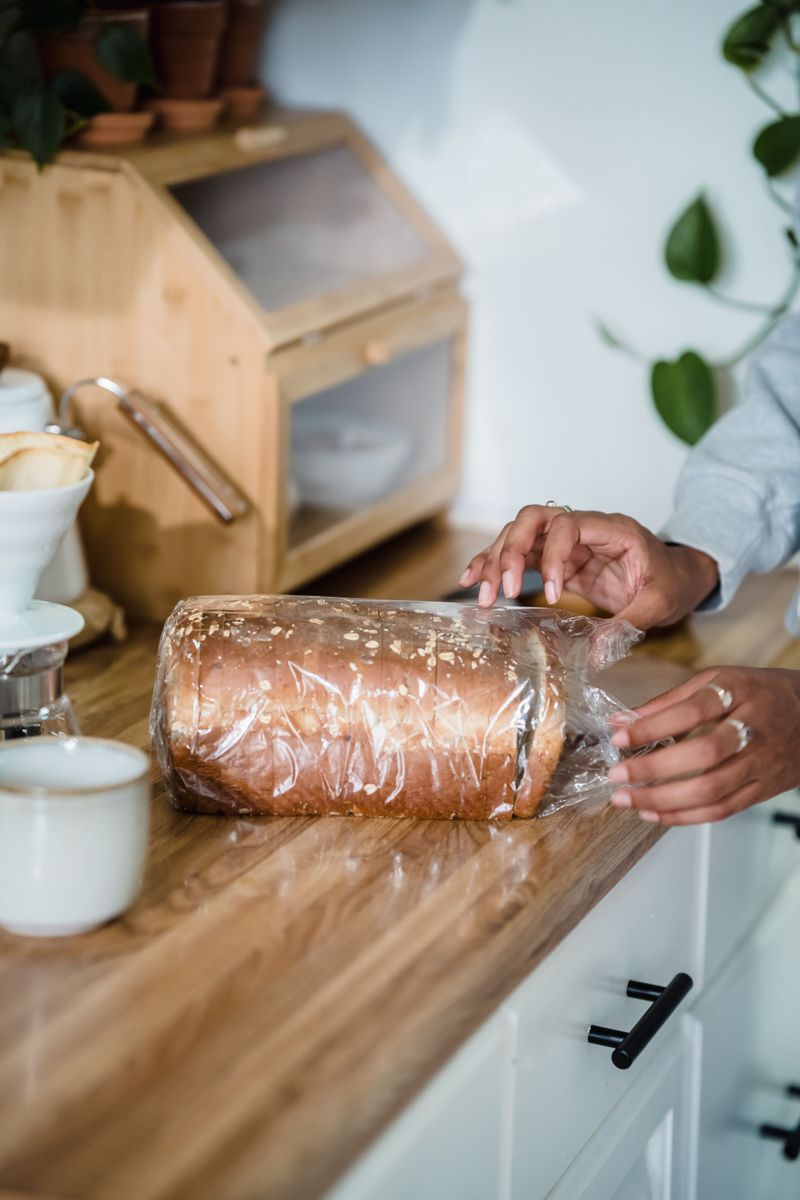
North Carolina takes the inspection route. Home bakers apply to the Department of Agriculture’s Food and Drug Protection Division for a home processor inspection.
An inspector visits your kitchen to check cleanliness and storage. If you use a private well, a water test is required before approval.
Once approved, you can sell at markets, from home, and sometimes to local stores. There is no strict sales cap for many home processors.
Labels must include product name, ingredients, allergens, and your business info. Keeping pets out of the kitchen during inspections is a must.
North Dakota: Early Food Freedom Leader
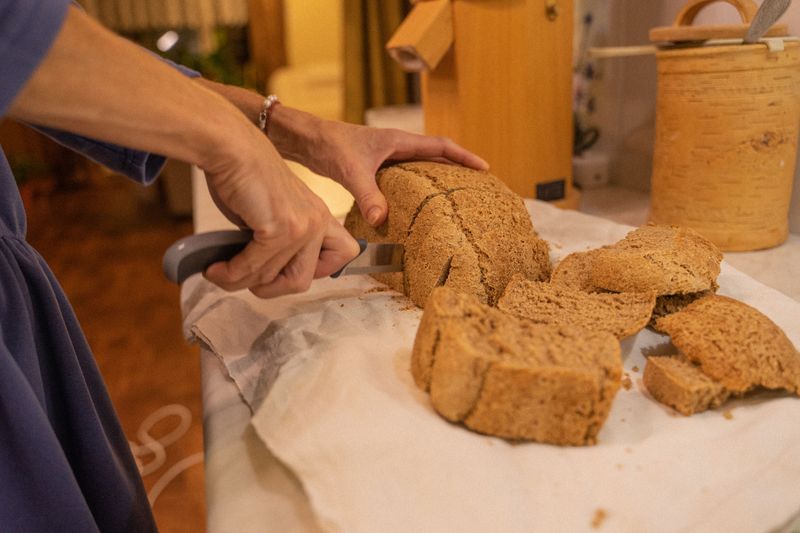
North Dakota passed a food freedom law back in 2017, making it a trailblazer. Home bakers can sell most homemade foods directly to informed buyers.
No license, inspection, or sales cap is required for these direct sales. That makes it one of the easiest places in the country to sell bread from home.
Labels must explain that the food was made in a home kitchen and not inspected. Add ingredients and allergens to keep buyers safe.
Small towns often rally behind local makers, so a church bake sale could become your first loyal customer base.
Ohio: No License for Cottage Foods
Ohio bakers can get started without a license under the state’s cottage food rules. Bread and many baked goods fit right in.
Sales can happen at farmers markets, from home, and even through some local stores. Ohio is fairly flexible compared to many states, which is great news for side hustlers.
Labels need the product name, your name and address, ingredients, allergens, and the statement that it is home produced. If you want to grow later, Ohio also offers a home bakery license with inspection.
That upgrade lets you sell foods needing refrigeration.
Oklahoma: Homemade Food Freedom Act
Back in the day, Oklahoma only let home bakers sell from their homes. The Homemade Food Freedom Act of 2021 changed that in a big way.
Now bakers can sell many homemade foods directly to customers, at markets, and online with delivery inside the state. No license or inspection is required.
There is a yearly sales cap of 75,000 dollars. Labels must include your name, phone number, ingredients, allergens, and a home kitchen statement.
That cap gives plenty of room to build a real business before needing a commercial kitchen.
Oregon: The Cottage Food Exemption
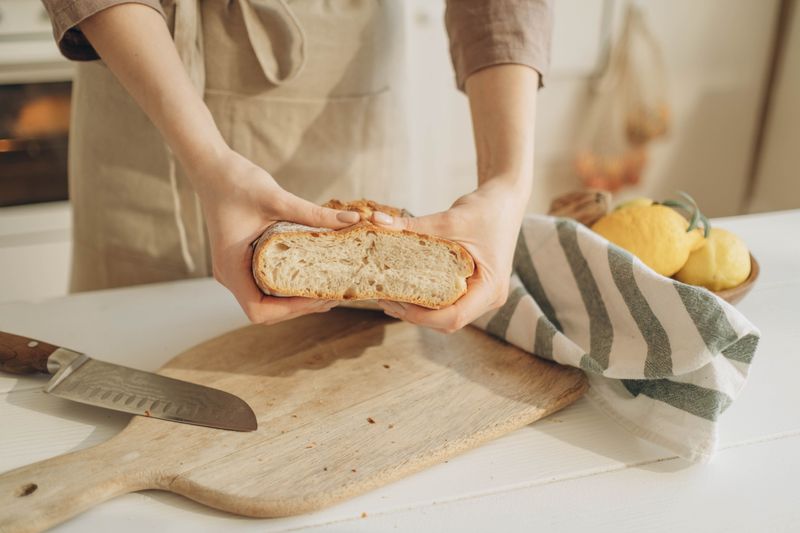
Oregon offers more than one road for home bakers, and the easiest one got much better in 2023. Under the Cottage Food Exemption, you can sell sourdough from your home kitchen with no license and no inspection.
The yearly sales limit is about 50,000 dollars and adjusts for inflation each year. You can sell in person or online, and even wholesale to local grocers.
Labels must include ingredients, allergens, and your business information. Rainy days are perfect for bread sales, since nobody turns down warm toast when the clouds roll in again.
Pennsylvania: Limited Food Establishment Registration
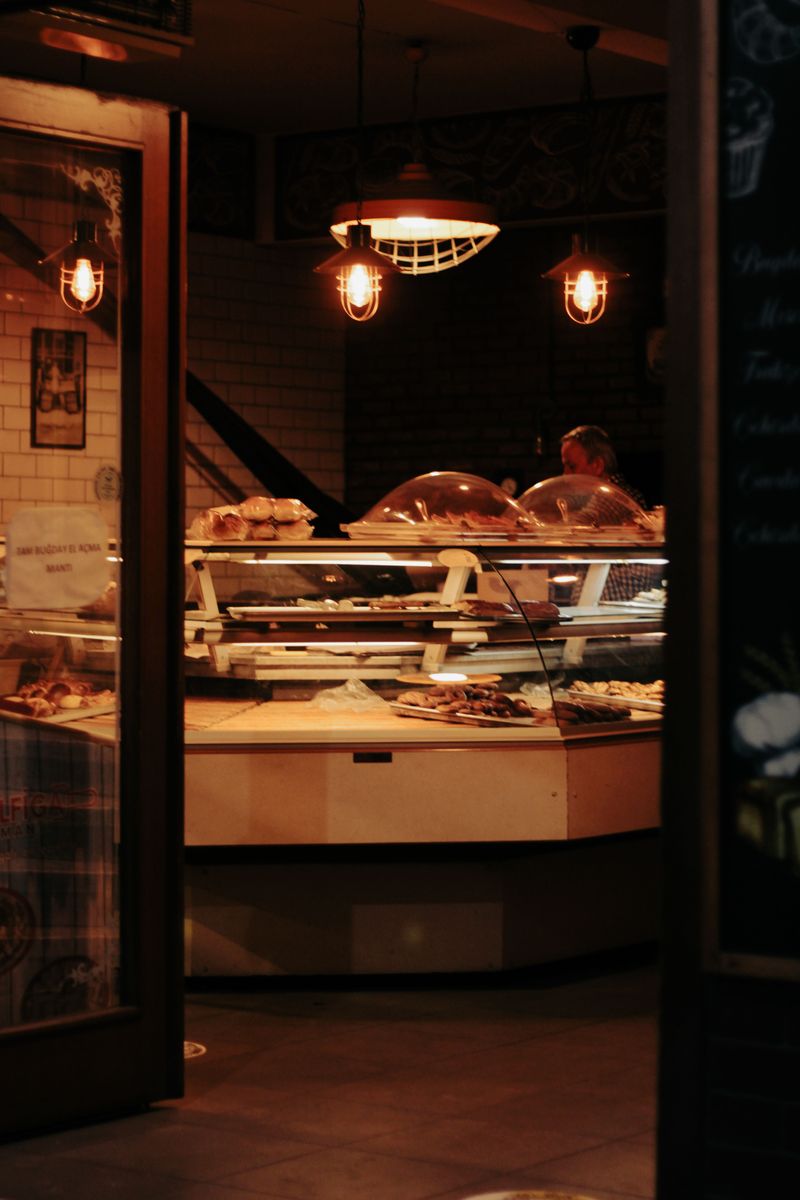
Pennsylvania has a strong baking tradition, from Amish breads to soft pretzels. Home bakers here register as a limited food establishment with the Department of Agriculture.
The process includes an application, a kitchen inspection, and a water test if you have a well. Pets are not allowed in the kitchen.
Once registered, you can sell at markets, from home, and often to local stores. There is no strict sales cap.
Labels must include ingredients, allergens, and your business info. Pennsylvanians love farm stands, so a roadside table could become a weekend favorite.
Rhode Island: Last State to Join the Party
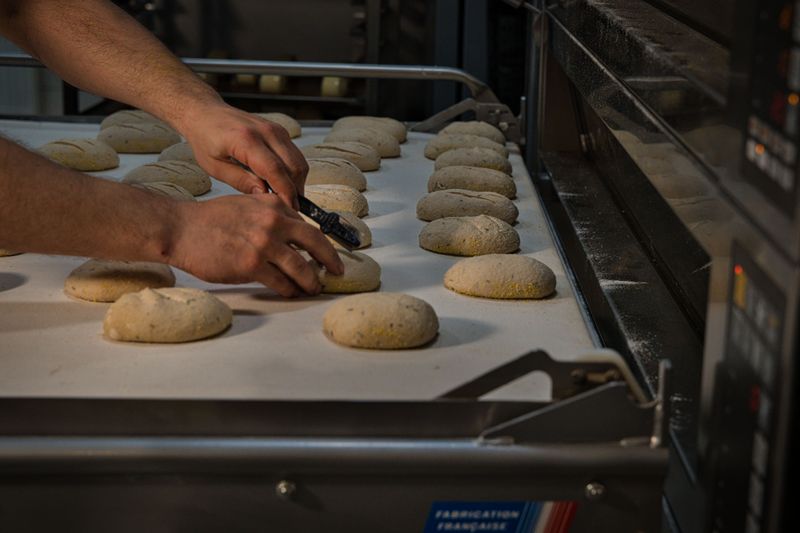
Rhode Island was the very last state to legalize home baking for everyone. Until late 2022, only farmers could sell food made in their home kitchens.
Now any resident can register with the Rhode Island Department of Health as a cottage food manufacturer for 65 dollars a year. You’ll also need a food safety handler certificate, which you can earn online.
Sales are capped at 50,000 dollars a year, and only shelf-stable baked goods are allowed, so sourdough is a perfect fit. Customers can pick up from your home, or you can ship within the state.
Labels must say the bread was made in a home kitchen and may contain allergens.
South Carolina: Home-Based Food Production
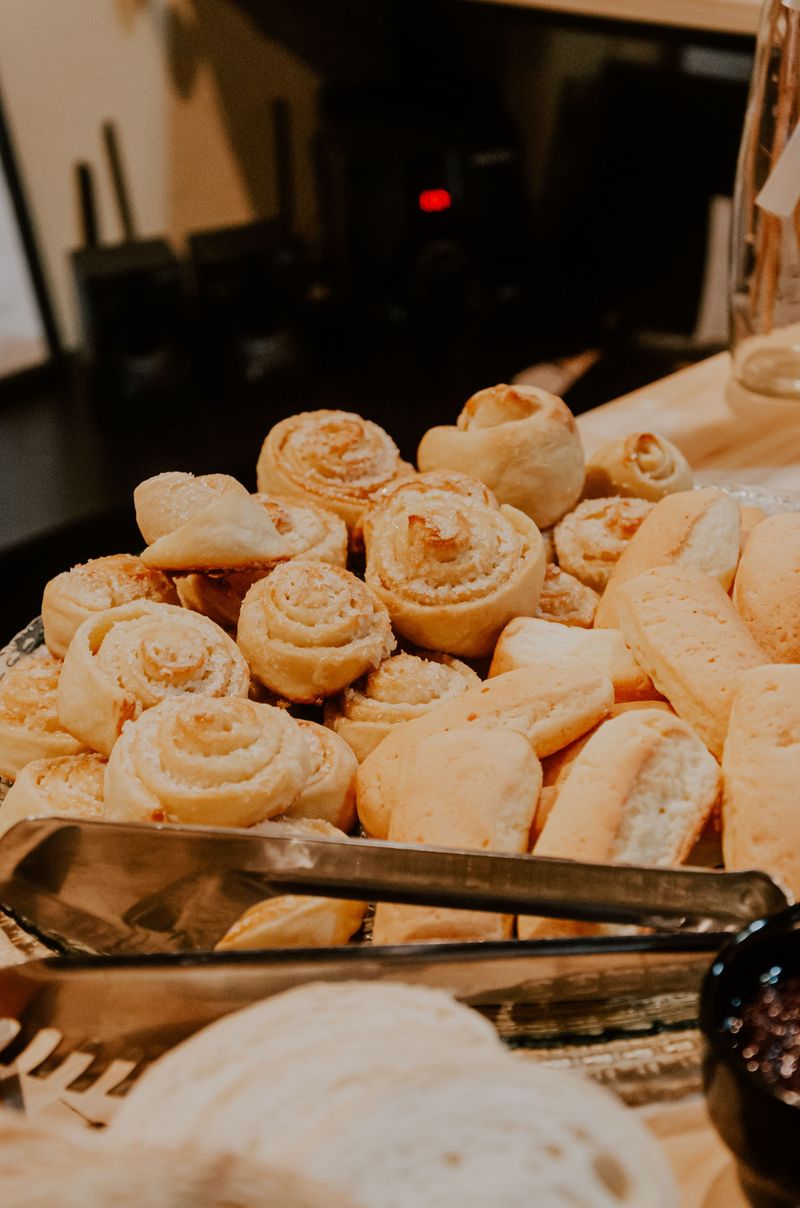
South Carolina bakers can sell bread under the home-based food production law. No license is needed for non-perishable foods like sourdough.
Changes in recent years raised or removed the sales cap and expanded selling options. Sales still need to go directly to the customer, including online orders delivered in the state.
Labels must state that the food was made in a home kitchen not inspected by the state. Add your name, address, and ingredients.
Charleston’s busy markets draw tourists all year, which could help a new baker build buzz fast.
South Dakota: Keep It Simple and Labeled
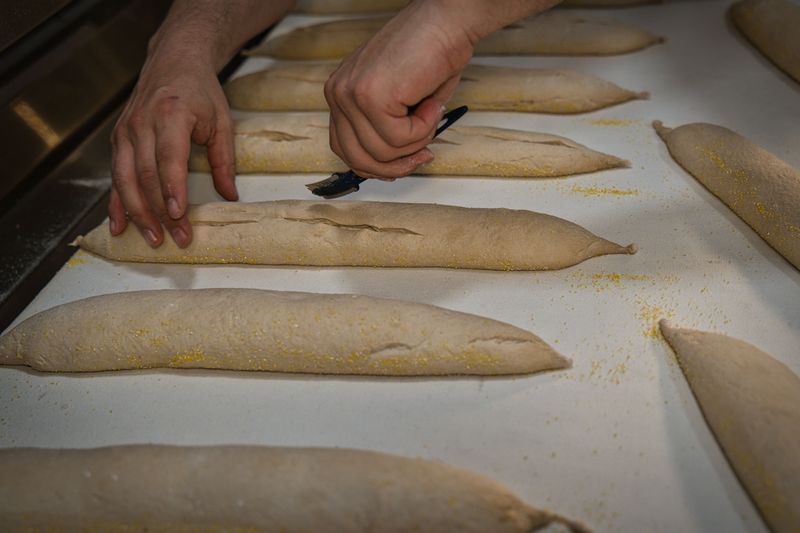
South Dakota keeps its home food rules short and sweet. Bread and other non-perishable foods can be sold without a license.
Sales are direct to the customer, such as from home or at farmers markets. Some home processed foods have extra steps, but plain sourdough is low risk.
Labels must say the food was made in a home kitchen not inspected by the state. Include your contact details too.
Tourist seasons near Mount Rushmore and the Black Hills bring crowds, giving local bakers a summer sales boost worth planning for.
Tennessee: Food Freedom Since 2023
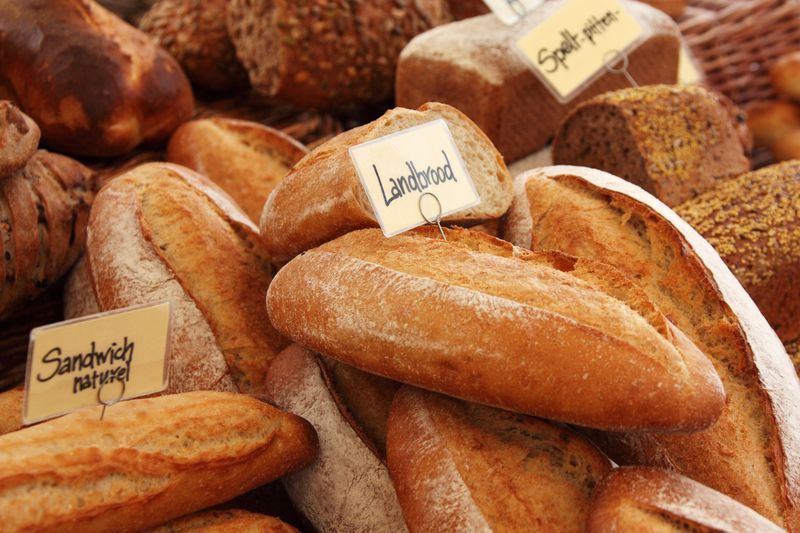
Tennessee joined the food freedom movement in 2022, and lawmakers expanded it again in 2025. Home bakers can sell many homemade foods without a permit or inspection.
There is no yearly sales cap, and you can sell directly to customers or even to retail stores within Tennessee. Restaurants are off-limits, and everything must stay in-state.
Labels must show your name, address, and a statement that the food was made in a private home exempt from licensing and inspection. Allergens matter too.
Texas: Bigger Than Ever After 2025
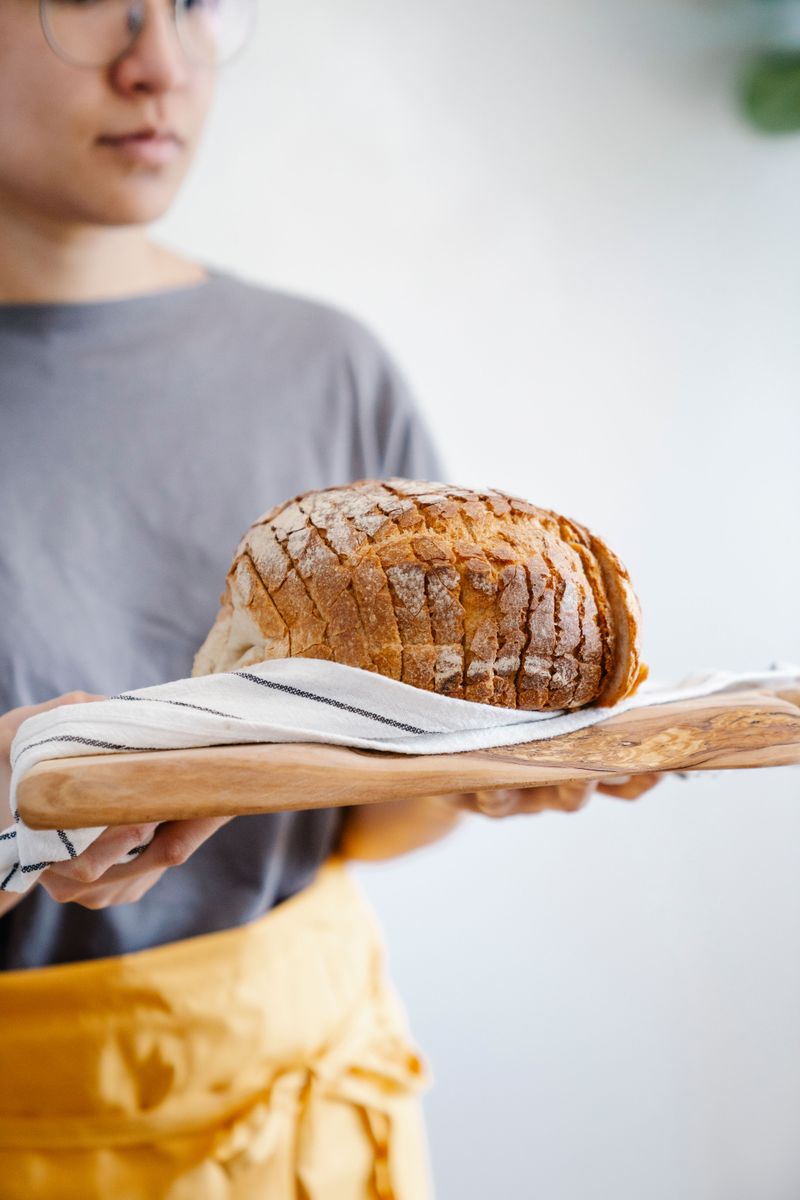
Everything is bigger in Texas, including its newly expanded cottage food law. SB 541 took effect on September 1, 2025, and it was the biggest update since the law began in 2011.
You still need a food handler card but no permit for sourdough. The yearly sales cap tripled to 150,000 dollars and will adjust with inflation.
You can sell in person, take online orders, and now even sell through some stores, restaurants, and markets. Mail-order shipping is no longer part of the law, so plan on pickup or personal delivery.
Labels need your name, ingredients, allergens, and a home kitchen statement. Local governments can’t require extra licenses or permits for cottage food, which protects home bakers in every corner of the state.
Utah: Cottage Food or Food Freedom
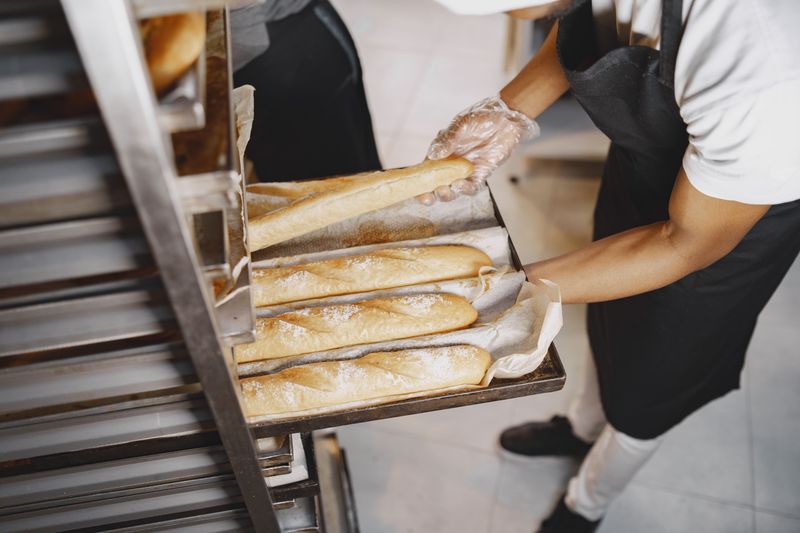
Utah offers two paths for home bakers. The cottage food program requires registration, a kitchen inspection, and food handler training.
That route lets you sell to stores and restaurants, which is a big perk. Utah also has a Home Consumption and Homemade Food Act allowing direct sales without a permit.
Both options require clear labels with your name, ingredients, and allergens. Direct sales need a statement about home production.
Choose based on your goals. Want to sell to a local cafe?
The cottage food permit is probably your best bet.
Vermont: Small Sales Stay Exempt
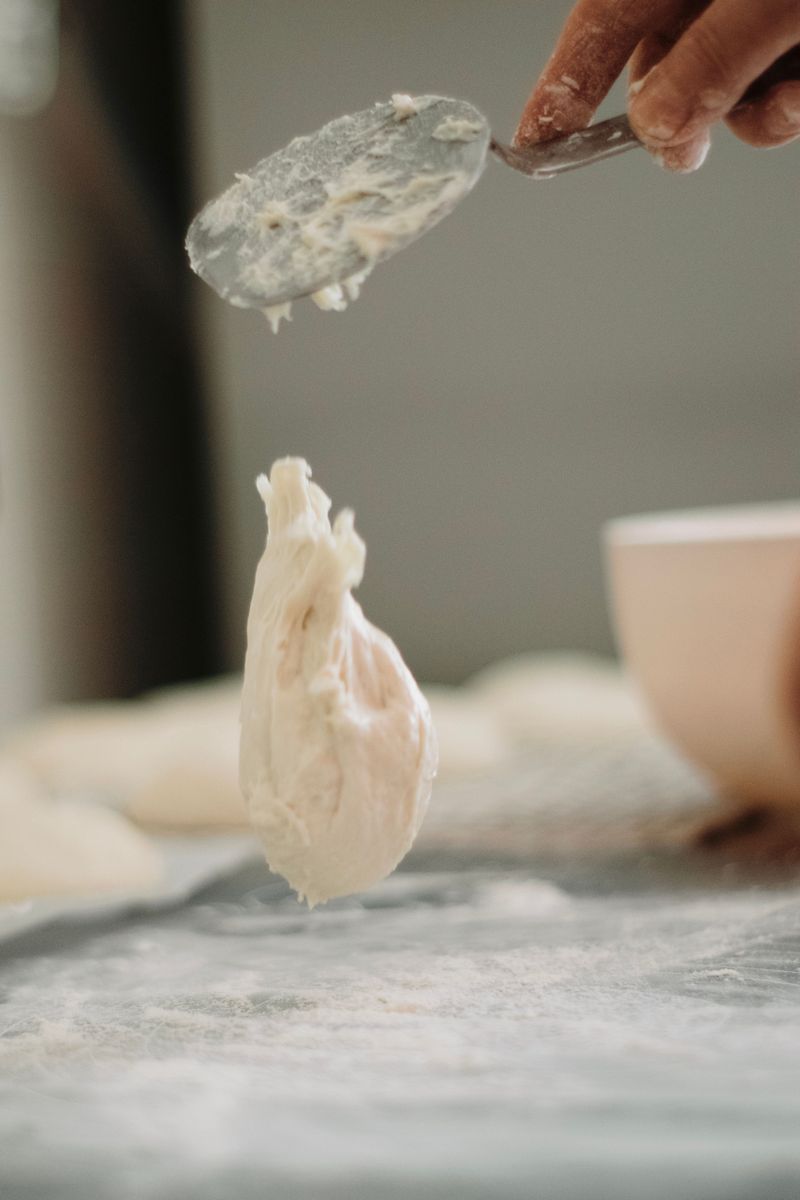
Vermont is famous for maple syrup, and maple sourdough could be your signature loaf. Small home bakers may be exempt from licensing.
The state has a weekly sales limit for home bakers. Once you sell more than that amount, you need a home bakery license from the Department of Health.
The license includes an inspection and a small fee. Labels must show ingredients and your business info.
Vermont’s farmers markets are lively in summer and fall. Bring samples, since a taste often turns curious shoppers into weekly regulars.
Virginia: Exempt but Labeled
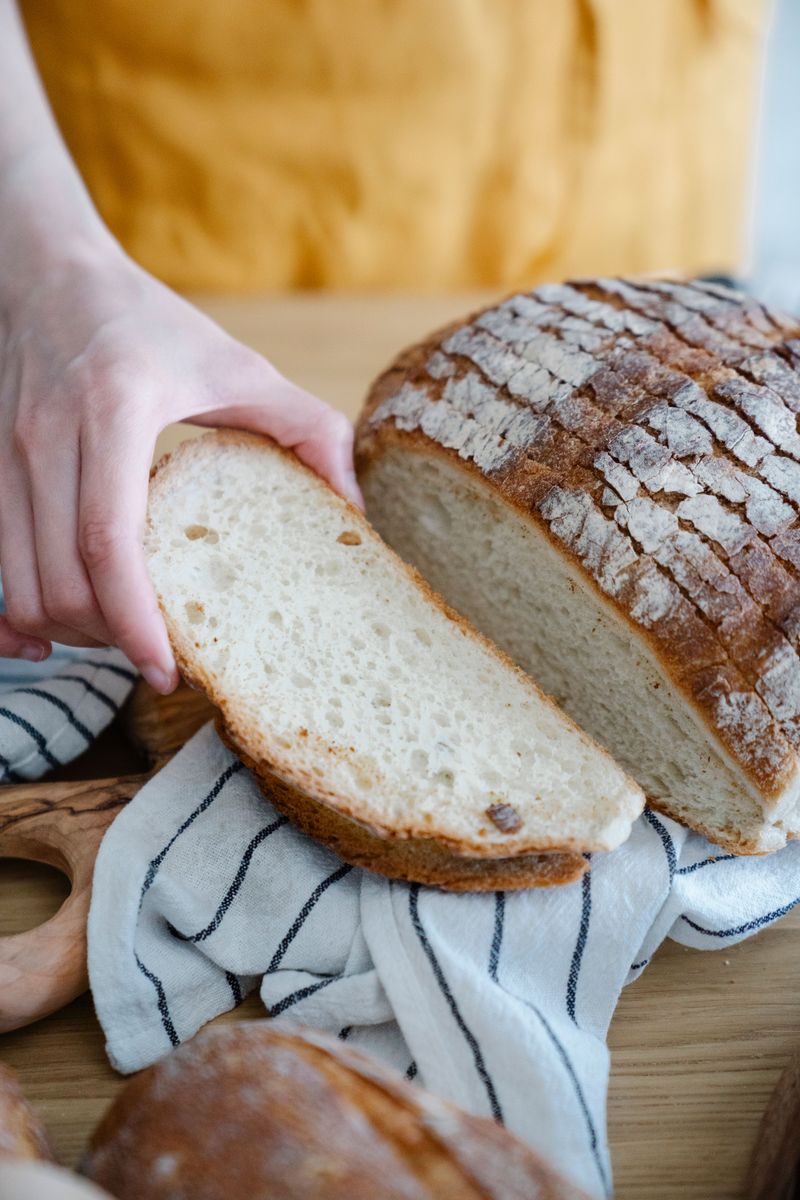
Virginia lets home bakers sell bread without a license or inspection under its home food exemption. Low-risk foods like sourdough are covered, with no sales limit for most products.
A new law that took effect July 1, 2026, opened the door wider. You can now take online and phone orders, accept electronic payments, and ship within Virginia.
Selling to stores still requires an inspected kitchen. Labels must state the food is not for resale and was made in a private home not inspected by the Virginia Department of Agriculture, and you can now use a PO box instead of your home address.
Washington: Cottage Food Permit With Inspection
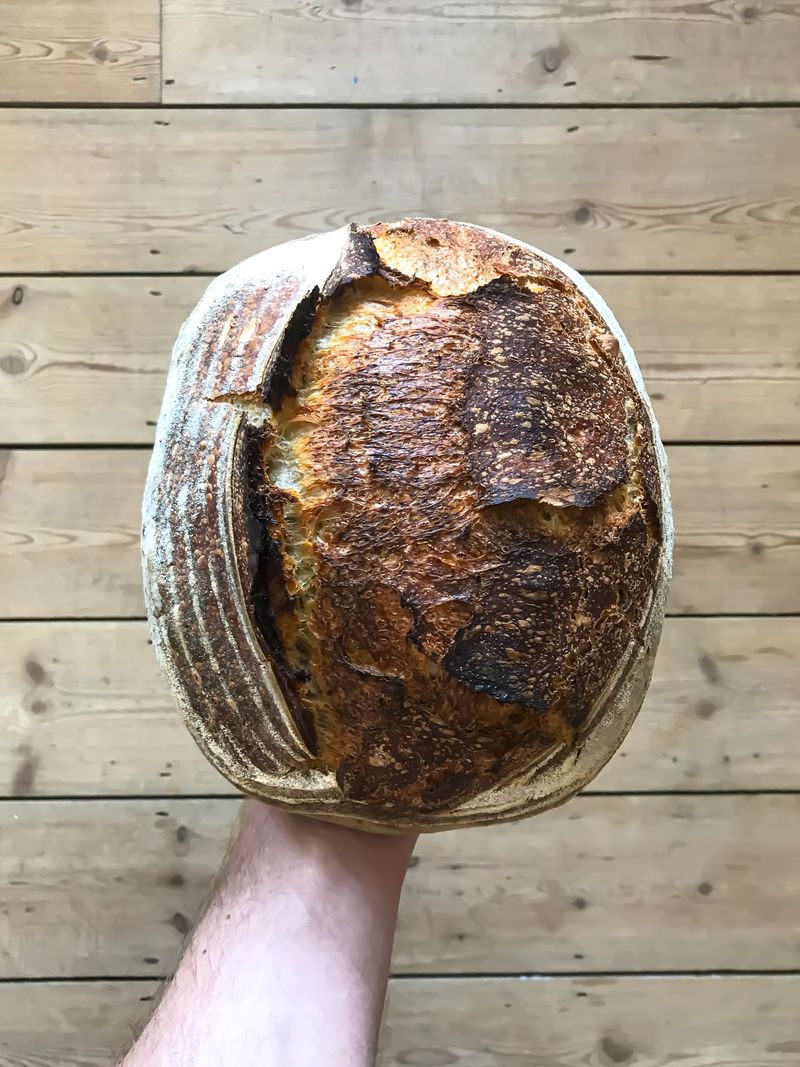
Washington takes cottage foods seriously. Home bakers apply for a cottage food permit through the Washington State Department of Agriculture.
The process includes an application fee, a food worker card, and a kitchen inspection. There is a yearly gross sales cap, so watch your totals.
Sales go directly to consumers at markets, events, and from home. Labels must include your permit number and a home kitchen statement.
Seattle’s coffee culture pairs nicely with fresh bread, so teaming up with a local coffee roaster for events could be smart.
West Virginia: Easy Online Sales
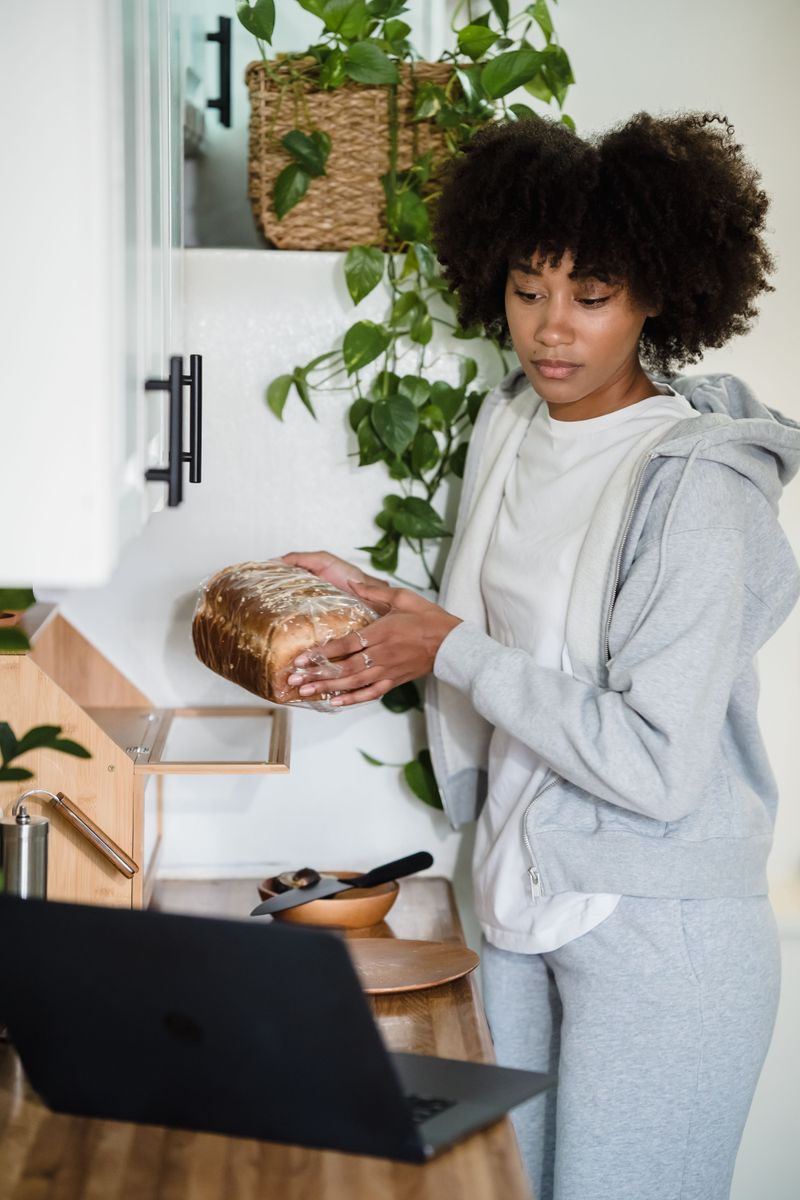
West Virginia updated its cottage food rules in 2019, and home bakers cheered. No permit or inspection is needed for non-perishable foods like bread.
You can sell from home, at markets, and online with delivery in the state. That flexibility makes it easy to reach customers in small mountain towns.
Labels must say the food was made in a home kitchen not inspected by the state. Include ingredients and allergens too.
Many Appalachian families have old bread traditions, so sharing your story can help customers connect with your loaves.
Wisconsin: A Court Case Changed Everything
Three Wisconsin bakers sued the state in 2016 because home bread sales were banned. In 2017, a judge ruled in their favor.
Now home bakers can sell non-perishable baked goods like sourdough without a license. Sales go directly to customers, including markets and home pickups.
Labels should include your name, address, ingredients, and a home kitchen statement. Check for any updated sales limits with the Department of Agriculture, Trade and Consumer Protection.
A cheddar sourdough would feel right at home in America’s Dairyland.
Wyoming: The Food Freedom Pioneer
Wyoming passed the first Food Freedom Act in the country in 2015. Other states have been copying it ever since.
Home bakers can sell most homemade foods directly to informed customers without a license, inspection, or sales cap. That includes sourdough, of course.
Labels must tell buyers the food was made at home and not inspected. Add ingredients and allergens for safety.
Ranch life and long winters make hearty bread a welcome treat, so Wyoming bakers might find eager customers everywhere they go.
Last updated: November 2026. This article is for general information only and is not legal advice.
Cottage food laws change often and can vary by county or city, so always confirm the current rules with your state or local health department before you start selling.
Join Us and Transform >
Don’t Be an Amateur! Master the Art of Sourdough Bread!

Leave a comment