One Midwestern family mill tosses a free, 100-year-old freeze-dried sourdough starter into a first-time customer’s order. That’s flour and a century of fermentation history in the same box.
I love that idea.
It also points to a bigger trend across the United States. Farm families are growing wheat, milling it themselves, and shipping the fresh flour straight to home kitchens.
Some grow heritage grains from before 1950. Others grow ancient grains like emmer and einkorn.
Why should sourdough bakers care? Your starter eats flour, and fresh, stone-milled flour gives those wild yeasts plenty to work with.
You also get to know exactly which fields your loaf came from.
The eight farms below stretch from Washington to Pennsylvania. Each one grows or sources its grain with care and sells directly to bakers like you.
So which bag will end up next to your starter jar?
1. Sunrise Flour Mill, Minnesota
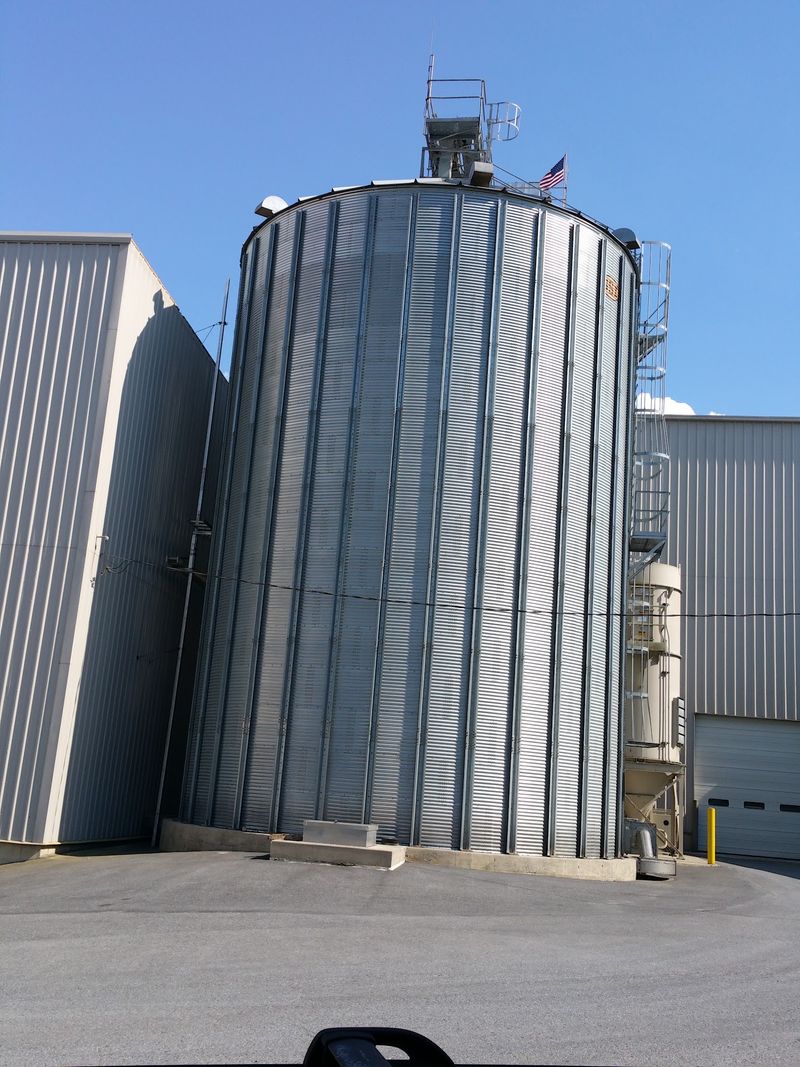
Free starter with your first order is a pretty sweet welcome gift. First-time customers here get a 100-year-old freeze-dried sourdough starter with any purchase.
That means a total beginner could open one box and have everything needed to start baking. You just add water, feed it, and wait for bubbles.
The flour itself has an old story too. This family-run Minnesota mill focuses on certified organic heritage wheats, specifically varieties from before the 1950s.
Turkey Red hard red wheat is one of their stars. It works nicely for long-ferment sourdough loaves, the kind that rest slowly and build deep flavor.
You can also pick from options like Heritage White and Bread Blend. Heritage White is handy if you want a lighter crumb but still crave old-time wheat.
Every bag comes from the same family fields and the same mill. The flour is freshly milled and never bleached or bromated.
Shipping covers the whole country, which is great news if you live far from Minnesota. Orders over $150 ship free in the continental US, while orders from $70 to $149.99 ship for a flat $9.99.
Here’s a smart move for beginners. Order Bread Blend or Heritage White first, since gentler flours can make your first loaves easier to shape.
Once you feel confident, try Turkey Red for a heartier bake. Your starter, and your sandwich, will thank you.
2. Ballerina Farm, Utah
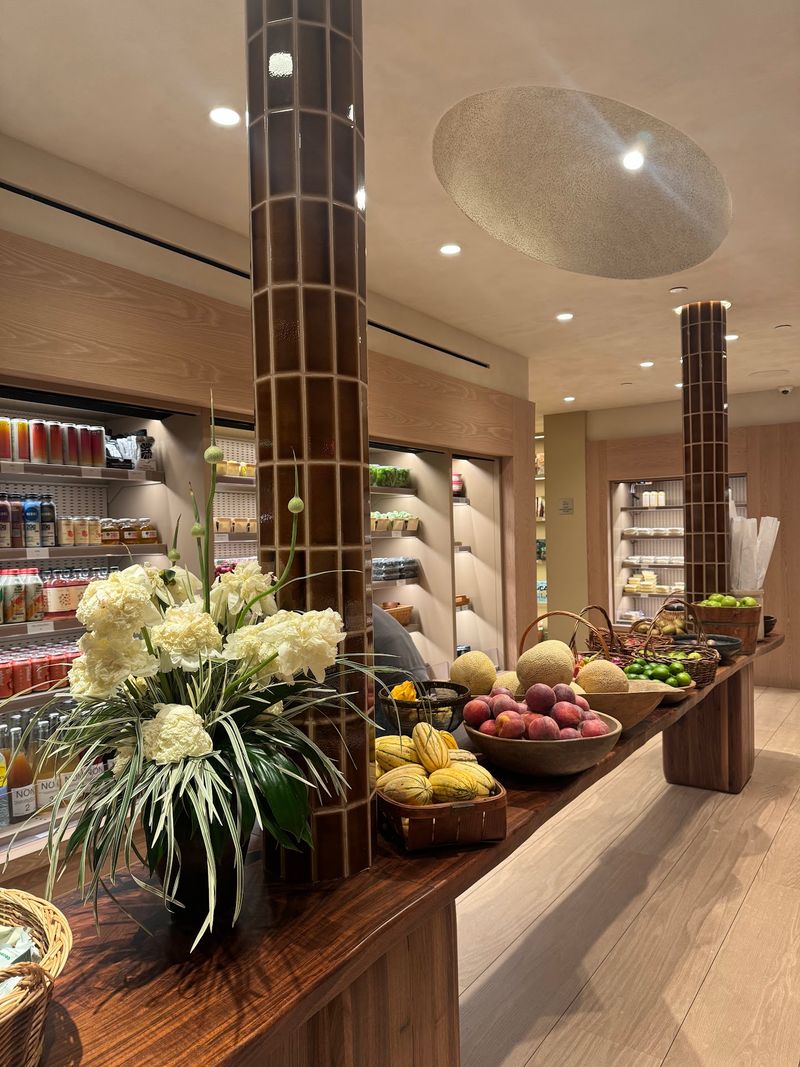
A former ballerina running a farm and flour mill sounds like a movie plot. Yet Ballerina Farm in Kamas, Utah, really does mill flour built with sourdough bakers in mind.
The headline number here is protein. Their flour clocks in at 14 percent protein, which helps dough build strong gluten for tall, airy loaves.
So what is actually in the bag? It’s a 100 percent organic blend of Organic Dark Northern Spring Wheat and Organic Hard Red Winter Wheat.
The grain is grown in the Pacific Northwest, in rich volcanic soil. It then gets milled carefully to keep its natural character.
Why does high protein matter for you? Sourdough rises slowly, so dough needs a sturdy structure to hold gas during that long wait.
A stronger flour can be more forgiving if your shaping skills are still a work in progress. It can also handle wetter doughs, which often bake up with bigger holes.
Ordering happens online, and orders ship throughout the week. You can grab a single 5-pound bag to test it out.
Bakers who go through flour fast have bigger options. There’s a set of three 5-pound bags, plus a 25-pound bulk bag for serious weekend bakers.
My tip? Start with one bag and add a little extra water to your usual recipe.
Thirsty, strong flours often like a wetter dough.
3. Janie’s Mill in Ashkum, Illinois
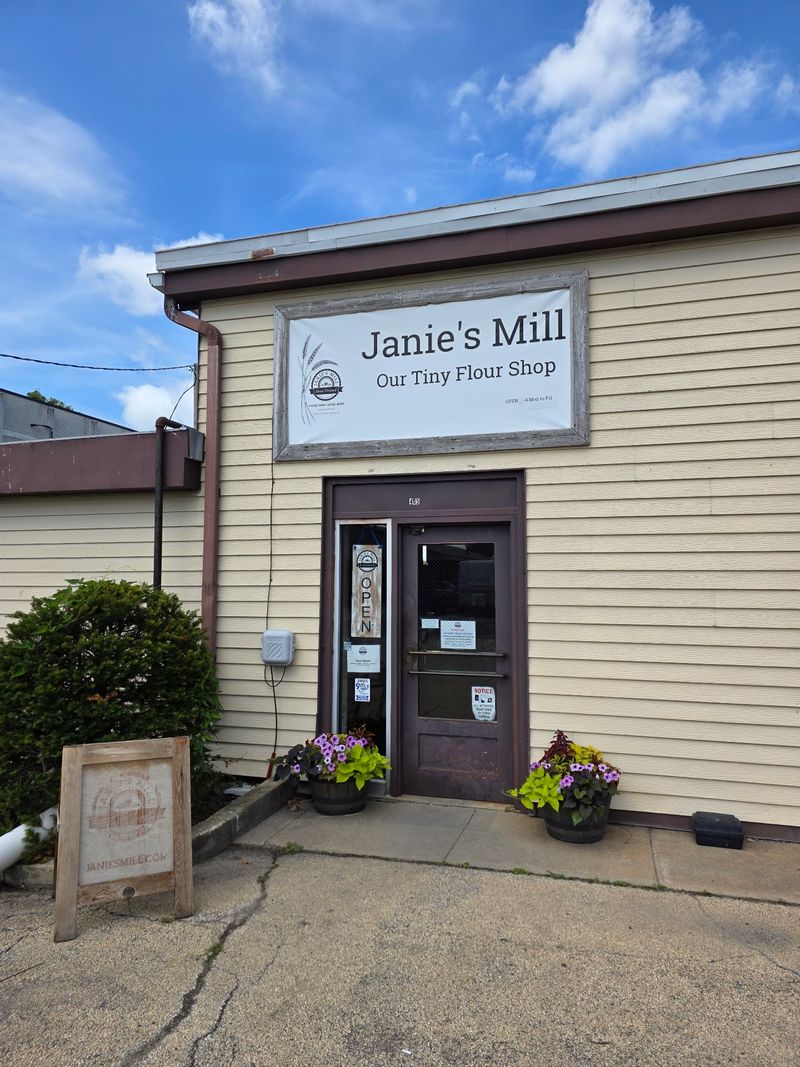
Most flour comes from many farms mixed together, but Janie’s Mill loves to tell you exactly where your grain grew. The certified organic stone mill is known for single-origin flour.
It sits on a working farm in central Illinois, in the town of Ashkum. That means fields and millstones are close neighbors.
Single-origin flour is a bit like single-origin coffee or chocolate. Each variety and field can bring its own flavor and baking personality.
The mill keeps things interesting with a rotating selection of heritage wheats. Names you might spot include Marquis, Red Fife, and Einkorn.
Red Fife is a fun one for sourdough fans. It’s an old variety with a long history in North American bread baking.
Einkorn is even older and behaves differently than modern wheat. Its gluten is weaker, so dough feels stickier and needs a gentler touch.
Because selections rotate, it pays to check back now and then. You might find a wheat you’ve never baked with before.
Ordering is simple, since the mill sells directly to home bakers through its website. You don’t need to live in Illinois to give it a try.
Here’s a playful experiment for you. Bake two loaves side by side with different heritage wheats, and taste the difference like a flour detective.
4. Hayden Flour Mills, Arizona
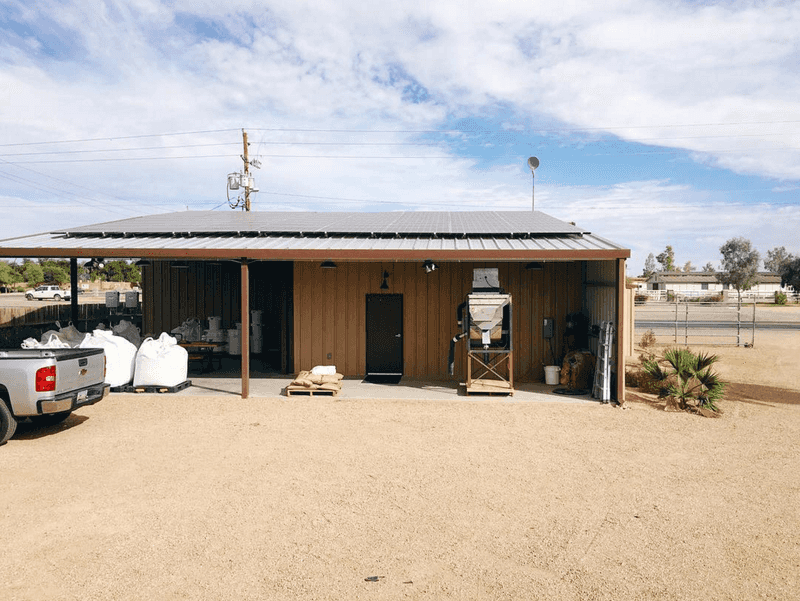
Wheat in the Arizona desert? It sounds unlikely, but Hayden Flour Mills is busy proving the Southwest has deep grain roots.
The name nods to a historic flour mill in Tempe that dates back to the 1870s. Today’s company works from Queen Creek, Arizona, reviving that milling heritage.
The focus is on locally grown heritage wheats. That means you’re tasting grains with real ties to the region’s farming past.
White Sonora is the variety sourdough bakers should know. It’s noted for making a beautifully mild sourdough loaf.
Mild is a nice change of pace if tangy bread isn’t your favorite. Kids and picky eaters might like the softer flavor too.
White Sonora has an interesting backstory as well. It’s one of the older wheats grown in the Southwest, brought into the region centuries ago.
Buying is easy, because the mill sells directly to consumers on its website. You can stock up without leaving your kitchen.
Since heritage wheat can act differently from store flour, go slow at first. Try mixing White Sonora with a bread flour you already know.
Once you get a feel for it, bump up the percentage. Before long, you might be baking a loaf that tastes a little like Arizona history.
5. Bluebird Grain Farms, Washington
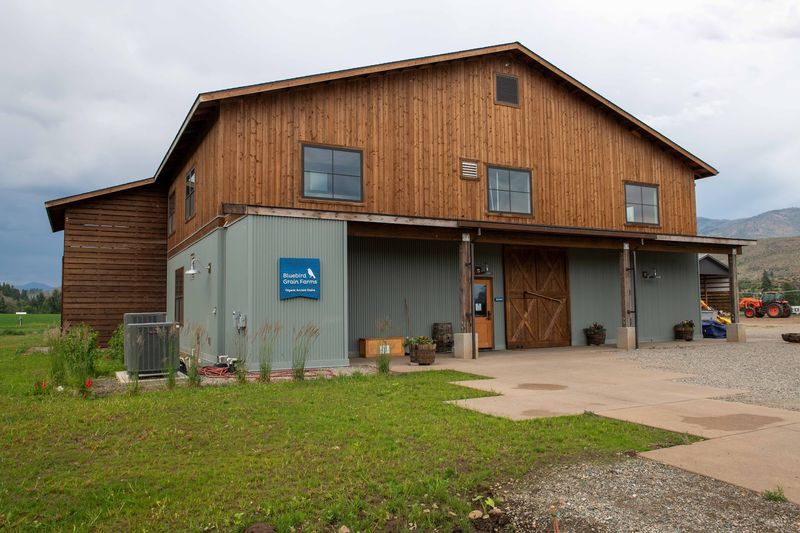
Some of the grains on this farm were feeding bakers thousands of years before sliced bread was a thing. Bluebird Grain Farms grows and mills ancient and heritage grains in Washington’s Methow Valley.
The farm is certified organic. It handles both the growing and the milling, so your flour travels a short road from field to bag.
Emmer Farro is a headliner here. It’s an ancient wheat with a nutty flavor that many bakers enjoy in hearty loaves.
You’ll also find Einkorn and Spelt. All three have long roots in human baking history.
So how do ancient grains act in sourdough? Their gluten is usually weaker than modern bread wheat, which can make doughs softer and stickier.
That’s not a bad thing at all. You just need a little patience, a wet hand, and maybe a loaf pan instead of a free-form boule.
A smart starting point is to swap in 20 to 30 percent of an ancient grain flour. Your dough stays manageable while picking up new flavor.
Spelt is often the friendliest ancient grain for beginners. Einkorn is better saved for when you feel more comfortable with sticky dough.
Orders can be placed online, straight from the farm. Feeding your starter a spoonful of emmer now and then could become your new favorite habit.
6. Early Morning Harvest, Iowa
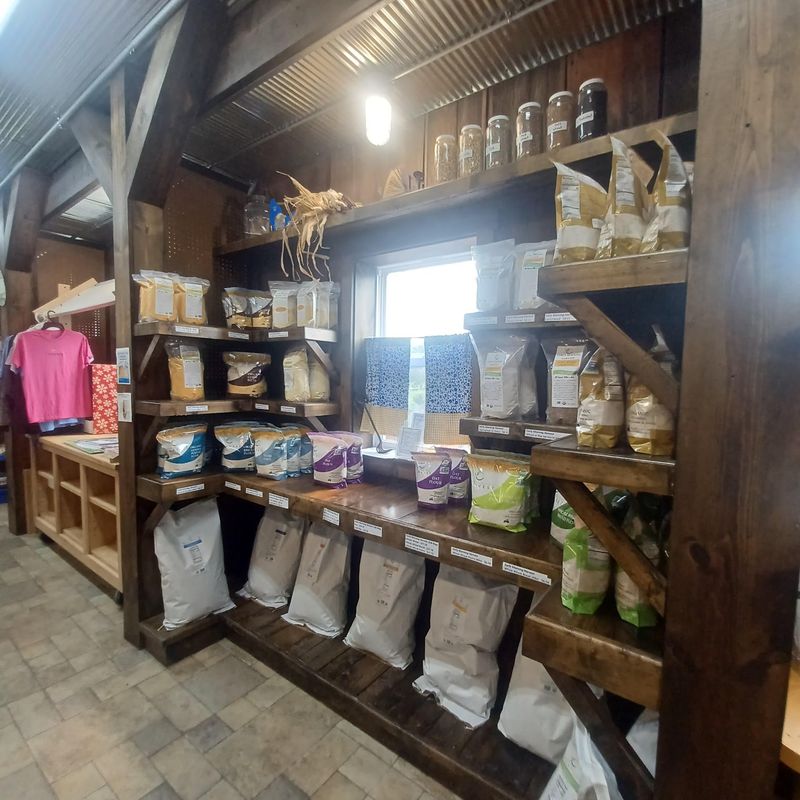
The name sounds like a farm alarm clock, and honestly that fits. Early Morning Harvest is a family farm in Panora, Iowa, that stone-mills its own grain in small batches.
Everything starts in their Iowa fields. The farm supports regenerative agriculture, a style of farming that focuses on caring for soil health over time.
The flour is certified organic and whole grain. That means the bran and germ stay in, bringing more flavor and nutrition to your bread.
Stone milling grinds grain more slowly than big roller mills. Many bakers like it because the flour keeps more of the whole kernel.
Whole-grain flour is also a treat for your starter. The extra nutrients can give wild yeast and bacteria plenty to snack on.
Just remember that whole-grain dough drinks more water. Add a splash extra and give it a rest before kneading or folding.
Now for the part bulk bakers will love. Flour comes in 25-pound and 50-pound bags, along with smaller sizes for the rest of us.
If you go big, think about storage. Fresh whole-grain flour keeps best in a cool spot, and many bakers use the freezer for extra bags.
Is 50 pounds of flour too much? Not if your kitchen turns into a weekly bread factory, which happens to sourdough fans more than you’d think.
7. Farm2Flour
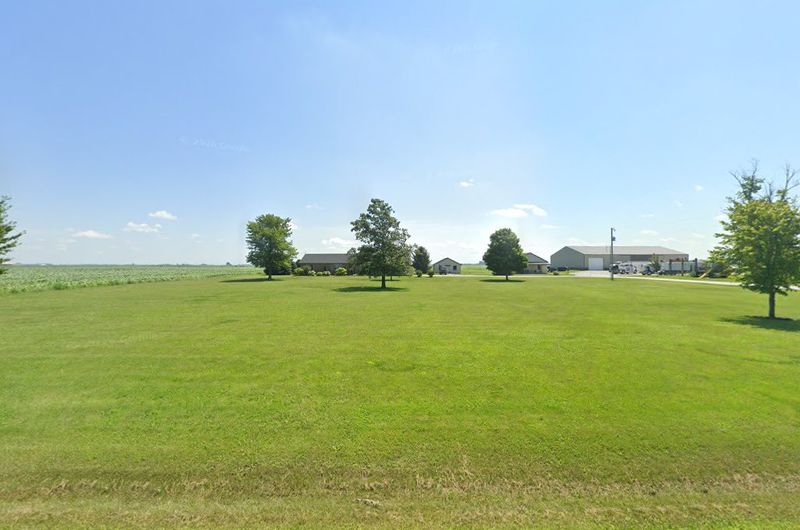
Four generations of one family farming the same land is a pretty strong résumé. Farm2Flour sells flour made from crops grown on that fourth-generation Illinois family farm.
The name sums up the whole idea. Grain goes from their farm into flour, then from their hands to yours.
Simple is the theme here. The flour is fresh, organic, and stone-milled, with no additives, chemicals, or bleach.
Crops are non-GMO and grown without pesticides or herbicides. The flour also carries USDA Certified Organic status.
Why does fresh milling matter for sourdough? Flour can lose some flavor as it sits, so fresher flour gives your bread a head start.
Fresh, unbleached flour can also give dough a creamy color. Don’t be surprised if your loaves look a little different from grocery store bread.
Ordering happens online, directly from the family farm. That direct path means you know who grew your grain.
A nice way to try it is with your starter first. Feed it the new flour for a few days and watch how lively it gets.
Then move on to a basic country loaf. Keep the recipe simple so the flavor of the flour can do the talking, since that’s really the whole point of buying from a farm.
8. Weatherbury Farm in Avella, Pennsylvania
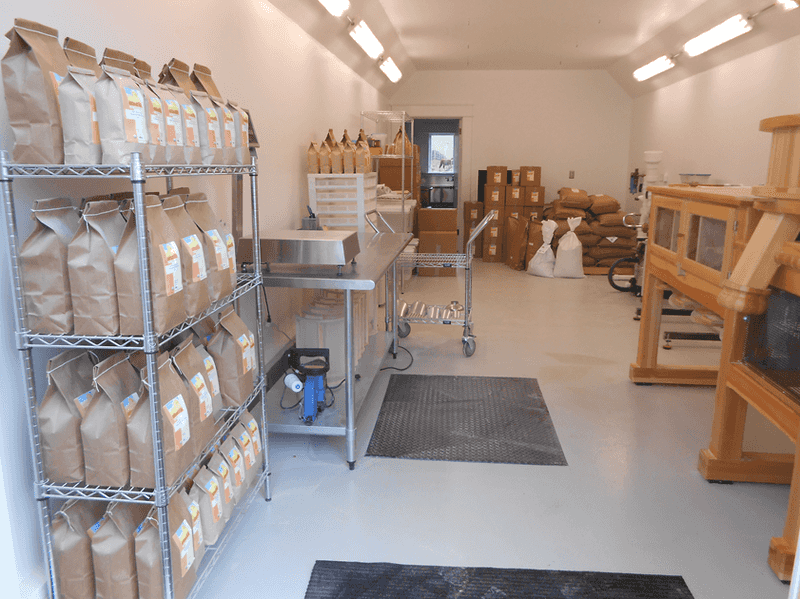
Out in the hills of southwestern Pennsylvania, one farm does the growing and the grinding. Weatherbury Farm in Avella raises its own certified organic grains and mills them into flour.
That keeps the trip from field to flour bag about as short as it gets. East Coast bakers might enjoy having a farm mill closer to home.
The big appeal is knowing where your grain came from. When the same farm grows and mills, there’s no mystery mix from far-off places.
Certified organic status adds another layer of trust. It means the farming follows organic standards from planting to harvest.
Weatherbury sells its flour directly from the farm. Because ordering and shipping details can change, it’s smart to check with the farm before planning a big order.
A quick message or a look at their current offerings can save you a surprise. Ask which grains are available right now, since farm harvests change year to year.
Farm-milled flour can behave a little differently from batch to batch. That’s normal when grain comes from real fields with real weather.
Treat each new bag like a fresh chapter. Watch your dough closely, adjust water if needed, and keep notes in a little baking journal.
Over time, you’ll learn how this Pennsylvania flour likes to be handled. And your sourdough will carry a small taste of those Avella hills.