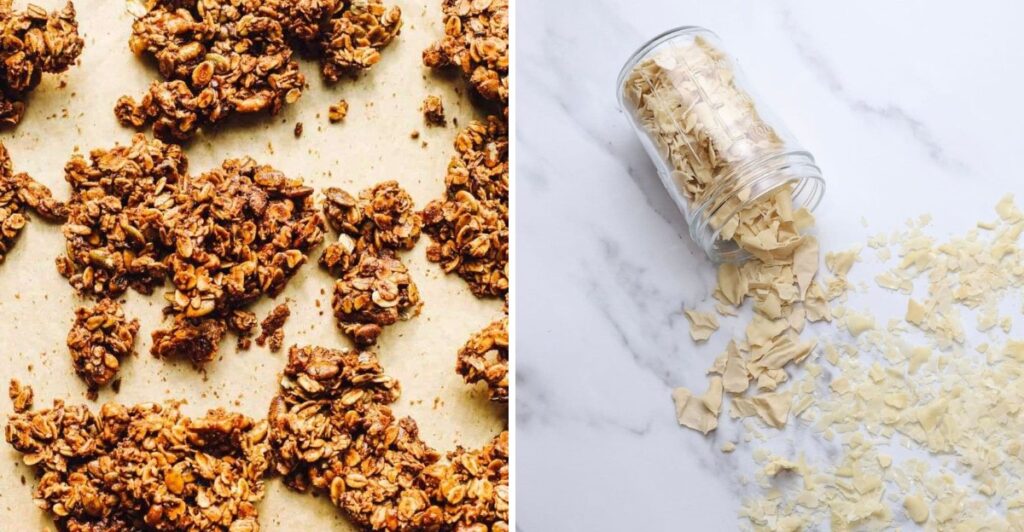
A sourdough starter can be dried into flakes, sealed in a tiny packet, and mailed across the country. Add flour and water a few days later, and it wakes back up.
I had no idea a living culture could nap that well.
One famous example still travels this way. Carl Griffith’s starter, linked to a family trip on the Oregon Trail in 1847, gets shared as dried flakes by volunteers today.
That is a lot of history for something that fits in an envelope.
The jar idea gets even better beyond starter. Leftover discard can turn into crisp snacks and crunchy breakfast clusters.
Stale loaves become crunchy toppings, and a few pantry spices can make a plain slice feel fancy.
So which jars are worth giving, and which ones belong back on the shelf? I sorted out the ones that make sense for real kitchens.
Dried Sourdough Starter Flakes Kit
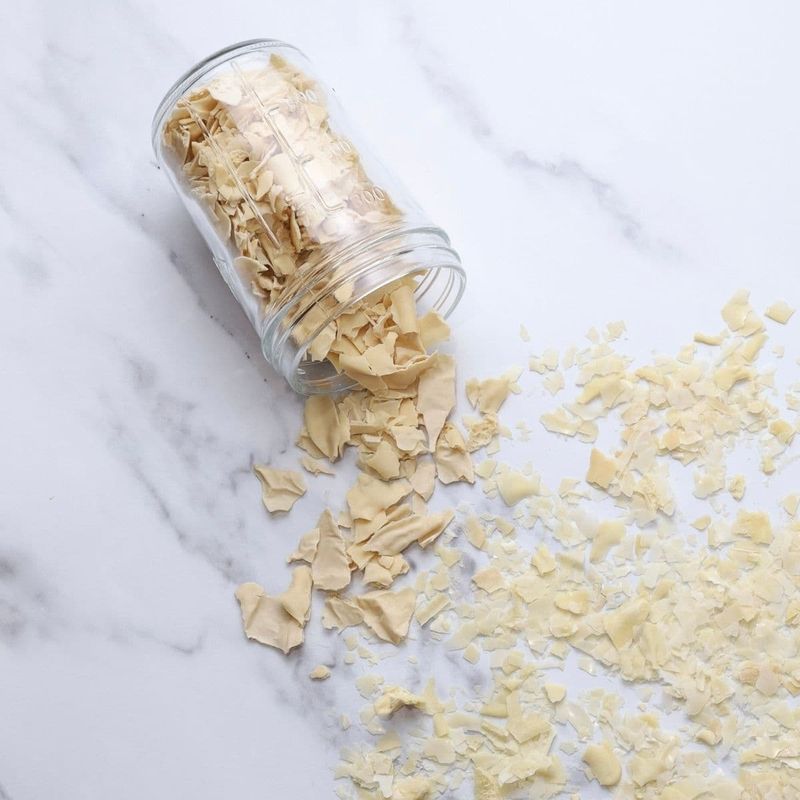
Giving someone a bubbling jar of live starter is a bit like handing them a pet goldfish at a party. Dried flakes solve that problem, because the culture sits dormant and shelf-stable until the recipient is ready.
You can buy dried starter from established suppliers or dry your own. To make flakes at home, spread a thin layer of active starter on parchment and let it air-dry at room temperature until brittle, usually one to several days depending on humidity.
Assembly
- A small jar holding the dried flakes, crumbled or lightly ground
- A printed card with revival and feeding steps
- Optional: a small bag of unbleached all-purpose or bread flour
How To Use
- Wake. Stir the flakes into a little lukewarm water until they soften, then mix in an equal amount of flour.
- Wait. Cover loosely and keep the jar at room temperature, ideally somewhere around 70 to 78°F.
- Feed. Discard part of the mixture and feed with fresh flour and water about once a day.
- Watch. The starter is ready to bake with once it reliably doubles within several hours of feeding, smells pleasantly sour, and looks bubbly.
Revival commonly takes several days, and slow starts are normal in a chilly kitchen. Tell your recipient that a sluggish first week does not mean failure.
Storage
Keep the dried flakes sealed in a cool, dry, dark spot. Once revived, the starter needs regular feedings on the counter or slower care in the fridge.
Baker’s Tip: Leave a little headroom in the revival jar and cover it loosely at first. Active starter releases gas, so a tightly sealed lid is a poor match for a lively culture.
Write the date you dried the flakes right on the jar. Your recipient will appreciate knowing how old their sleepy new houseguest is.
Sourdough Discard Crackers
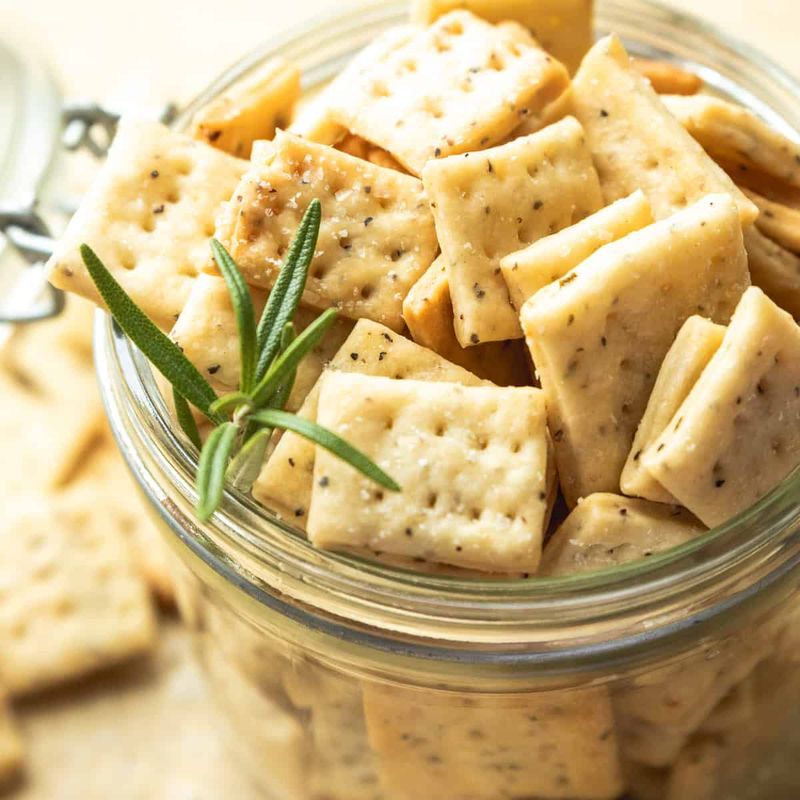
Discard, the part of the starter you pour off before feeding, has a second career as a crunchy snack. King Arthur’s widely shared discard cracker formula rolls the dough paper-thin, which is the secret to a real snap.
Yield: About 4 dozen small crackers
Active Time: 25 minutes
Total Time: About 1 hour 30 minutes, including chilling and cooling
Ingredients
- 1 cup (227g) unfed sourdough discard
- 1 cup (120g) whole wheat flour
- 1/2 teaspoon salt
- 1/4 cup (50g) melted butter or olive oil
- 2 teaspoons dried herbs of your choice
- Coarse salt for sprinkling
Instructions
- Mix. Stir the discard, flour, salt, butter or oil, and herbs into a smooth, stiff dough.
- Chill. Divide the dough in half, shape into flat rectangles, wrap, and refrigerate for about 30 minutes.
- Heat. Preheat the oven to 350°F and line two baking sheets with parchment.
- Roll. Roll each piece on parchment to about 1/16 inch thick. Thicker spots stay chewy.
- Score. Spritz lightly with water, sprinkle with coarse salt, and cut into squares with a pizza wheel. Prick each square with a fork.
- Bake. Bake 20 to 30 minutes, until golden. Pull out the browned edge pieces early if the center needs more time.
- Cool. Let them cool completely on the pan before breaking apart.
Gifting Tip: Pack only fully cooled crackers into a dry, airtight jar. Leftover warmth creates steam, and steam is the enemy of crunch.
Tuck in a small note listing the herbs you used. Anyone with food allergies will be glad you did.
Sourdough Discard Pancake Mix Jar

Honesty first: the fluff in discard pancakes comes from baking soda and baking powder, while the discard brings tang and moisture. That makes this the perfect jar for a friend who already keeps a starter in the fridge.
The jar holds only shelf-stable dry ingredients. Your recipient supplies the discard and the fresh items, so nothing in the gift needs refrigeration.
Yield: One jar, about 10 to 12 medium pancakes
Active Time: 10 minutes to assemble
Jar Ingredients
- 1 cup (120g) all-purpose flour
- 1 tablespoon (12g) granulated sugar
- 1 teaspoon baking powder
- 1/2 teaspoon baking soda
- 1/2 teaspoon salt
Whisk everything together before pouring it into a clean, dry jar. Layering looks cute, but leaveners need even mixing to work well.
Recipient Adds
- 1 cup (227g) sourdough discard
- 1 large egg
- About 3/4 cup (170g) milk
- 2 tablespoons (28g) melted butter
How To Use
- Whisk. Combine the discard, egg, milk, and melted butter in a bowl.
- Combine. Add the jar mix and stir just until no dry flour remains. A few lumps are fine.
- Adjust. Discard thickness varies, so add a splash more milk if the batter looks stiff.
- Cook. Pour onto a greased griddle over medium heat. Flip when bubbles pop on top and the edges look set.
Storage
Keep the sealed jar in a cool, dry pantry. Baking powder slowly loses strength, so add a use-by note for a few months out.
Write the recipient steps right on the tag. Nobody wants to hunt for instructions while the griddle heats up.
Clustered Sourdough Discard Granola
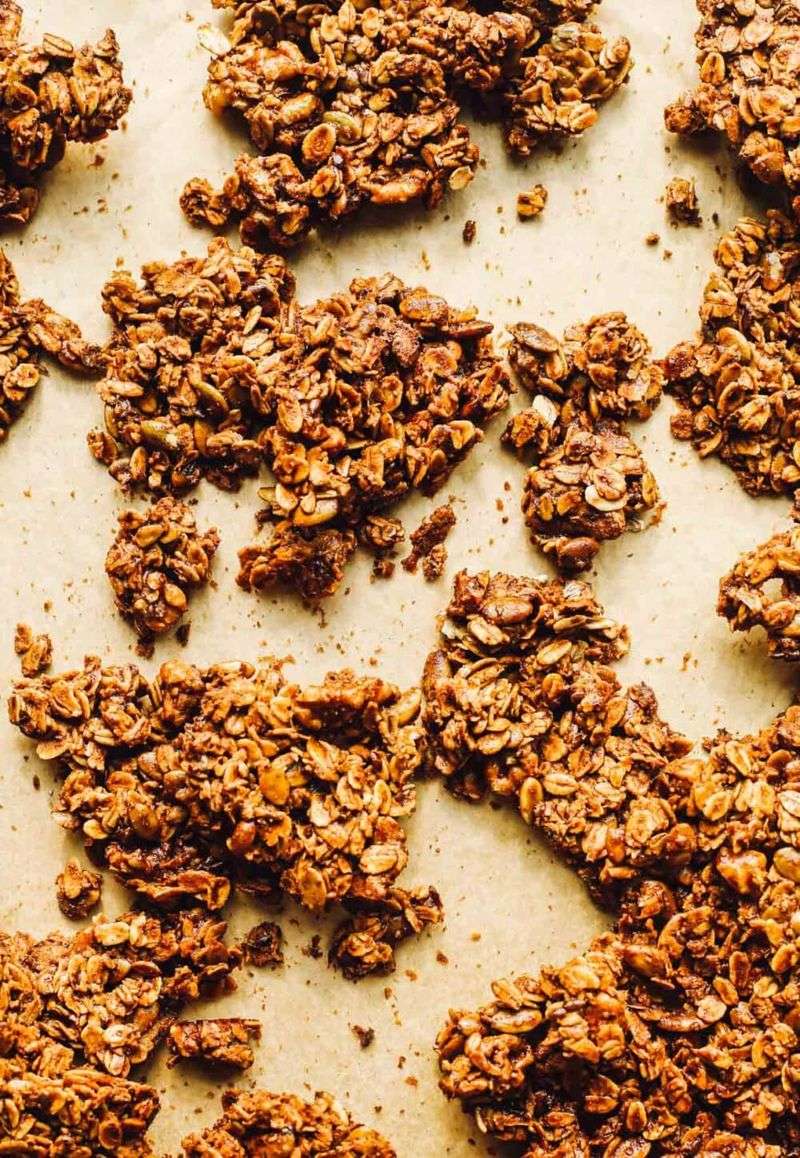
Granola fans chase big crunchy clusters, and sourdough discard turns out to be sneaky glue. Mixed with oil and sweetener, the flour and water in discard help coat the oats and bind them into chunks.
Plenty of bakers use this trick, and the method is forgiving. Here is a simple version built on a standard oat granola formula.
Yield: About 5 cups
Active Time: 15 minutes
Total Time: About 1 hour 30 minutes, including cooling
Ingredients
- 3 cups (270g) old-fashioned rolled oats
- 1 cup (about 120g) chopped nuts
- 1/2 cup (about 70g) pumpkin or sunflower seeds
- 1/2 cup (113g) sourdough discard
- 1/3 cup (113g) maple syrup or honey
- 1/4 cup (50g) melted coconut oil or neutral oil
- 1 teaspoon cinnamon
- 1/2 teaspoon salt
- 1/2 cup dried fruit, optional
Instructions
- Heat. Preheat the oven to 300°F and line a rimmed baking sheet with parchment.
- Whisk. Stir together discard, syrup, oil, cinnamon, and salt until smooth.
- Coat. Fold in the oats, nuts, and seeds until every piece looks glossy.
- Press. Spread in an even layer and press down firmly with a spatula.
- Bake. Bake 40 to 50 minutes, rotating the pan halfway, until golden and dry to the touch. Skip stirring if you want large clusters.
- Cool. Let it cool completely on the pan, then break into chunks and add dried fruit.
Storage Tip: Granola crisps as it cools, so wait before judging the crunch. Store it airtight at room temperature and enjoy within a couple of weeks for the best texture.
Add dried fruit only after baking. Oven heat can turn raisins and cranberries into tiny pebbles.
Garlic Herb Sourdough Croutons

Sourdough that has gone stiff on the counter is not a loss, it is crouton material waiting for a promotion. The open crumb and sturdy crust of a typical sourdough loaf crisp up beautifully once dried in the oven.
Tearing the bread instead of cutting it creates jagged edges that grab more oil and seasoning. Both methods work, so choose based on the look you want.
Yield: About 6 cups
Active Time: 10 minutes
Total Time: About 1 hour, including cooling
Ingredients
- 6 cups day-old sourdough, cut or torn into 3/4-inch pieces
- 1/4 cup (60ml) olive oil
- 1 teaspoon garlic powder
- 1 teaspoon dried Italian seasoning
- 1/2 teaspoon kosher salt
- 1/4 teaspoon black pepper
Instructions
- Heat. Preheat the oven to 375°F.
- Toss. Drizzle the bread with oil, sprinkle on the seasonings, and toss until evenly coated.
- Spread. Arrange in a single layer on a large baking sheet with space between pieces.
- Bake. Bake 12 to 18 minutes, stirring halfway, until golden and crisp at the edges.
- Cool. Cool completely on the pan. Centers keep firming up as they rest.
Gifting Tip: Garlic powder is the better choice here than fresh garlic, because it holds up well in a jar. Skip grated cheese if the croutons will sit at room temperature for a while.
Store the croutons airtight at room temperature and suggest using them within about a week. If they soften, a few minutes in a 325°F oven brings back the crunch.
Pair the jar with a note listing ideas like tomato soup, Caesar salad, or snacking straight from the lid. That last one tends to happen anyway.
Herb Dipping Oil Seasoning for Sourdough
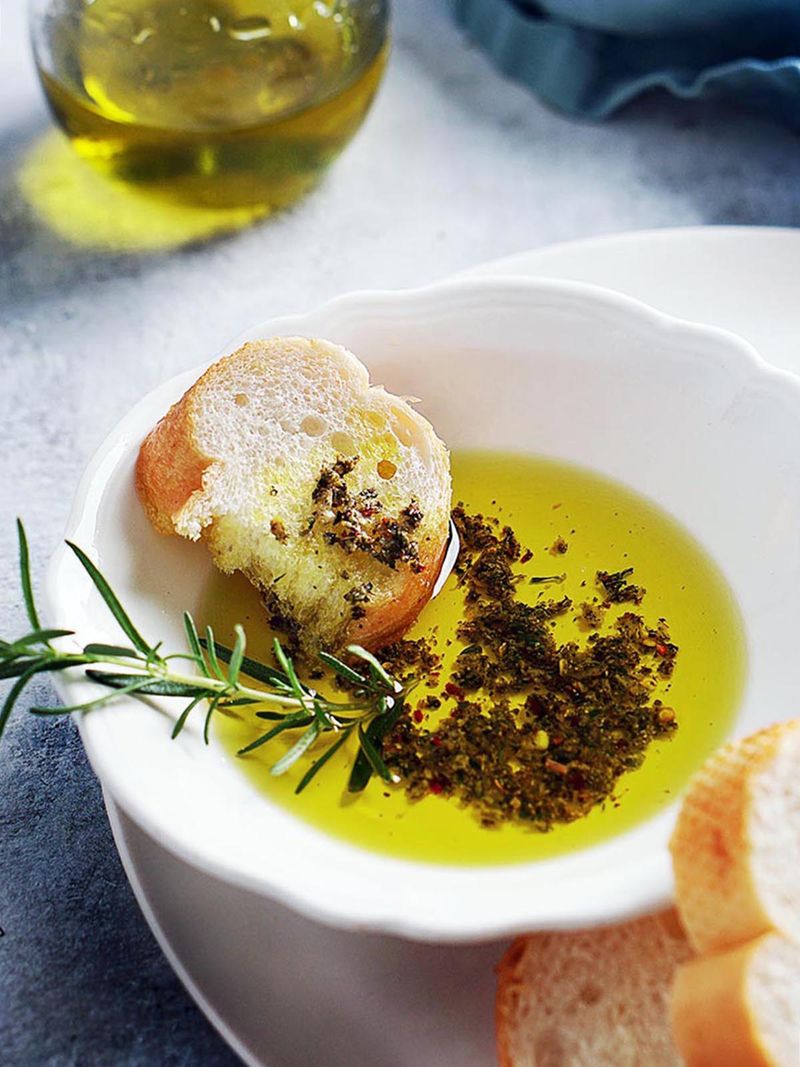
A good olive oil dip makes a crusty sourdough slice feel like a restaurant bread basket. This tiny jar holds only dried herbs and spices, so it is easy to pack and kind to the recipient’s pantry.
Keep the jar dry and let the recipient add the oil at serving time. That approach matters for safety, since garlic or herbs stored in oil at room temperature can create a risk of botulism.
Yield: About 1/3 cup, enough for several servings
Active Time: 5 minutes
Jar Ingredients
- 1 1/2 tablespoons dried parsley
- 1 tablespoon dried oregano
- 1 tablespoon dried basil
- 2 teaspoons dried rosemary, lightly crushed
- 1 teaspoon dried thyme
- 1 teaspoon garlic powder
- 1 teaspoon kosher salt
- 1/2 teaspoon black pepper
- 1/4 teaspoon red pepper flakes, optional
Assembly
Stir the herbs and spices together and spoon them into a small, dry jar. Crushing the rosemary between your fingers keeps those needle-like bits from feeling woody.
How To Use
- Measure. Spoon about 1 tablespoon of seasoning into a shallow dish.
- Pour. Add roughly 1/3 cup of extra virgin olive oil and stir.
- Rest. Let it sit about 10 to 15 minutes so the herbs soften.
- Dip. Serve with sliced or torn sourdough.
Storage
Keep the dry mix sealed in a cool, dark cupboard. Once mixed with oil, refrigerate leftovers and use them within a few days.
A splash of balsamic vinegar on top is a popular extra. Mention it on the tag and let your friend decide.
Everything Bagel Topping Blend for Sourdough Loaves
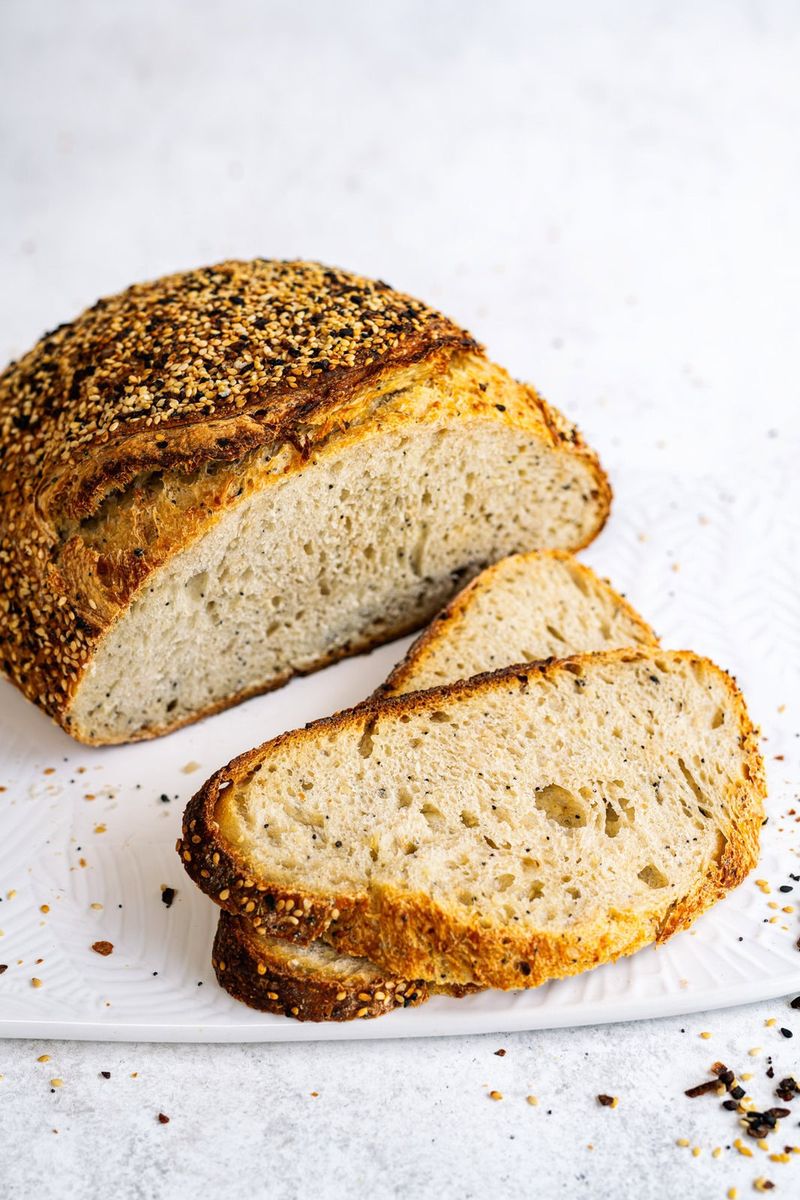
Bagel shops do not own the rights to that crunchy speckled topping. Pressed onto a damp shaped loaf, everything seasoning turns a plain sourdough crust into a seedy, savory shell.
The blend is simple, shelf-stable, and easy to scale. Your baker friend will likely find uses for it far beyond bread, from eggs to avocado toast.
Yield: About 1/2 cup
Active Time: 5 minutes
Jar Ingredients
- 2 tablespoons white sesame seeds
- 1 tablespoon black sesame seeds
- 1 tablespoon poppy seeds
- 1 tablespoon dried minced onion
- 1 tablespoon dried minced garlic
- 2 teaspoons flaky sea salt
Assembly
Stir everything together and pour into a small jar with a tight lid. Shake gently before use, since the seeds and salt tend to settle at different speeds.
How To Use
- Moisten. After shaping, lightly mist or brush the top of the loaf with water.
- Coat. Roll the top in a plate of the seasoning or sprinkle it on generously.
- Proof. Continue the final rise as usual.
- Score and Bake. Score through the coating and bake according to the bread recipe.
Baker’s Tip: Some dried garlic and onion bits can darken quickly at very high heat. If the topping browns too fast, a loose sheet of foil during the last part of baking helps.
Storage
Keep the jar in a cool, dark pantry. Seeds contain oils that fade over time, so suggest using it within a few months.
Small jars make sense here. A little goes a long way, and fresher seeds taste better.
Whole Rye Flour Starter Feeding Jar
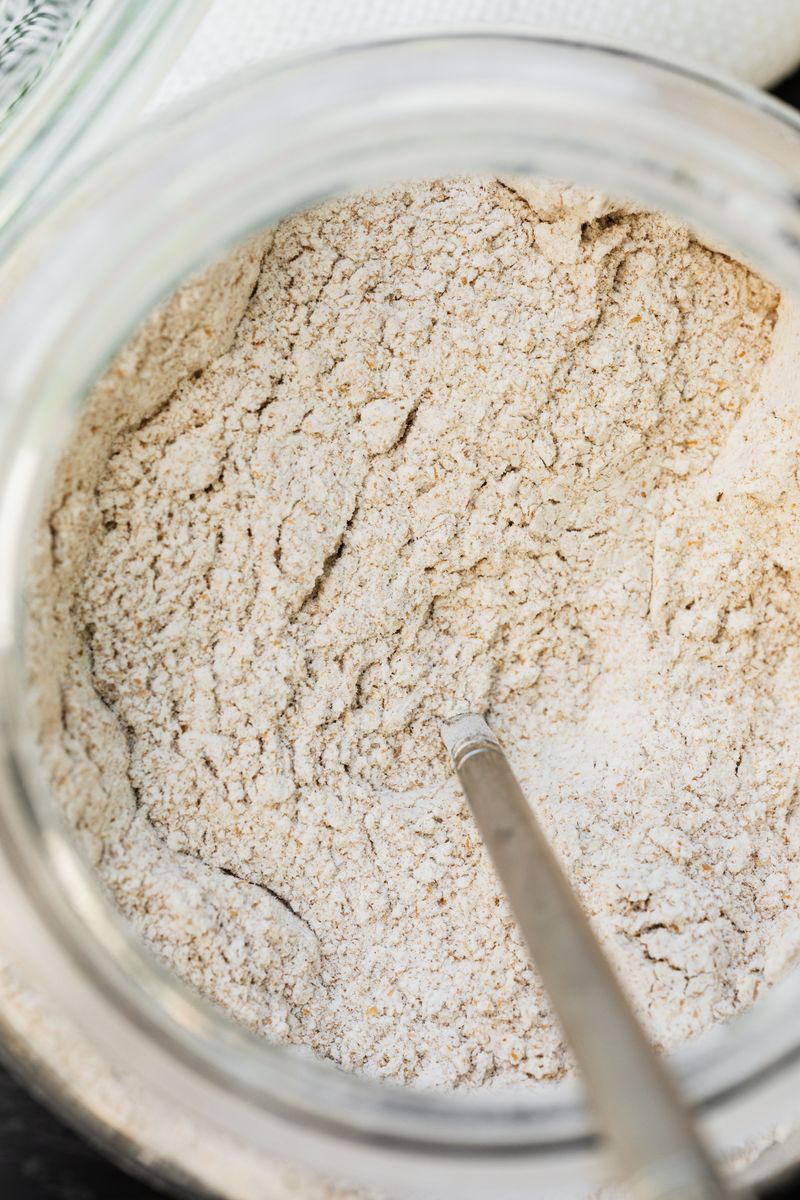
Sourdough starters can get sluggish, and many experienced bakers reach for a surprising pick-me-up: whole rye flour. Whole grains carry more nutrients and natural microbes than white flour, which often gives starter activity a noticeable boost.
That makes a jar of rye a thoughtful gift for anyone already baking. It is practical, inexpensive, and actually gets used.
What Goes In The Jar
- 2 to 4 cups of whole rye flour, sometimes sold as dark rye or pumpernickel flour
- A small scoop or measuring spoon
- A tag with feeding suggestions
How To Use
- Blend. At feeding time, replace part of the usual flour with rye. Starting with about 10 to 25 percent is a common approach.
- Watch. Rye-fed starter may rise faster and smell more sour or earthy.
- Adjust. Rye absorbs a lot of water, so the starter may feel thicker. Add a small splash of water if needed.
- Bake. Use the starter once it doubles and looks bubbly after feeding, as with any active culture.
Storage
Whole grain flours contain natural oils that can turn rancid faster than white flour. Suggest keeping the jar in the fridge or freezer for longer life.
Let cold flour warm toward room temperature before feeding. Chilly flour can slow a starter down, which defeats the whole point.
Fun Fact: Rye has long been the backbone of sour breads in Germany and Scandinavia. Its starches and enzymes behave differently from wheat, which is part of why dense rye loaves rely on sourdough acidity.
Pair the jar with the dried starter flakes from earlier for a complete beginner bundle. The flakes provide the culture, and the rye provides the snack.