A loaf baked in California this morning may share living yeast with bread eaten during the 1849 Gold Rush. That same bubbling culture reportedly survived the 1906 earthquake, carried out of the ruins in a bucket.
Old starters are tougher than they look. One in Colorado is said to trace back to miners in 1893.
Another, kept in New England, has a story stretching into the 1700s.
I love that a jar of flour and water can outlive everyone who first fed it. Across the United States, a handful of bakeries and starter keepers still guard these cultures.
Some sell bread, some share starter by mail, and a few even let you take a piece home.
Honest heads-up: century-old claims are hard to prove, so I flagged what bakers say versus what’s documented. Ready to meet some very old yeast?
Boudin Bakery at Fisherman’s Wharf, San Francisco
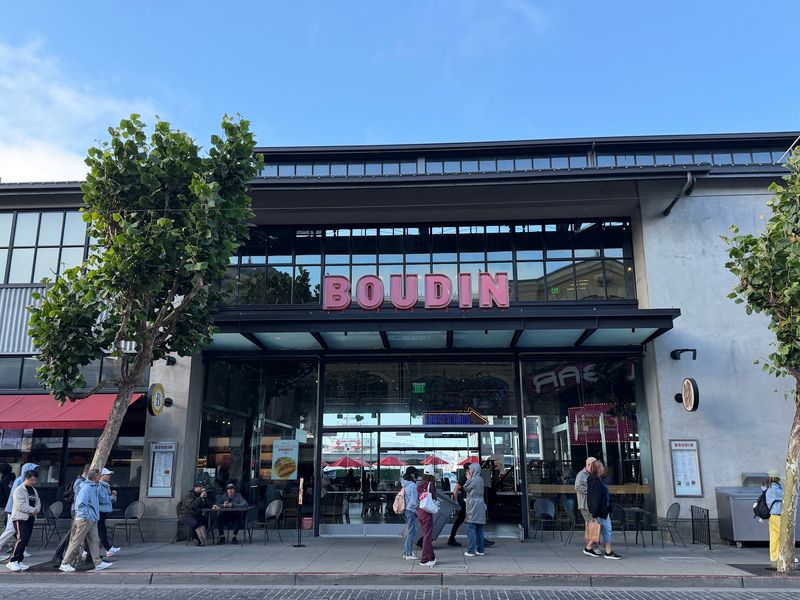
Somewhere in San Francisco, a starter older than the transcontinental railroad is getting its breakfast. Boudin traces its mother dough to 1849, when Isidore Boudin began baking French-style bread for Gold Rush arrivals.
Family lore says Louise Boudin rescued the starter in a bucket during the 1906 earthquake and fire. Whether you picture her sprinting or calmly strolling, the dough made it, and bakers still use it today.
Did you know? Boudin is often described as the oldest continuously operating business in San Francisco.
That is a lot of birthdays for one tub of dough.
The flagship at Fisherman’s Wharf is built for curious eyes. Big windows let you watch bakers shape loaves, and the bakery is known for dough sculpted into turtles, crabs, and alligators.
You can also order a sourdough bread bowl, usually filled with clam chowder. Eating the bowl afterward is basically the whole point, so pace yourself.
Boudin does not advertise selling its mother dough to home bakers, so plan on buying bread, not starter. That keeps the original culture in-house, where it has lived for more than 175 years.
Fisherman’s Wharf is one of the city’s main tourist areas, so expect company on the sidewalk. An earlier arrival usually means more elbow room near the viewing windows.
Live far from California? Boudin sells some bread through its own online shop, so check current shipping options before you set your heart on a specific loaf.
Address: 160 Jefferson St, San Francisco, CA 94133
Stella Sourdough, Johnson City, Tennessee
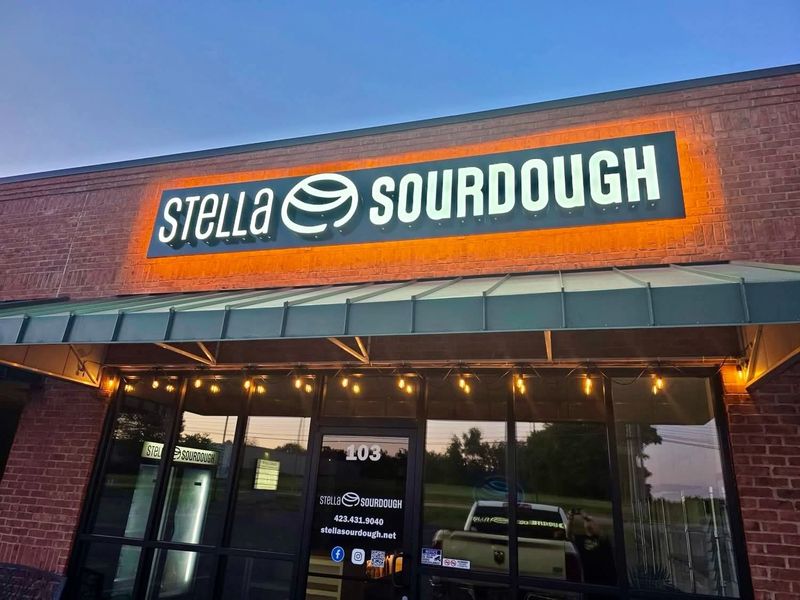
Most starters get a jar and a lid, but this one got a name worthy of a stage play. Stella, the sourdough culture behind this Johnson City micro-bakery, is believed to be more than 125 years old.
That word believed matters, and I appreciate the honesty. Family starters often pass from kitchen to kitchen without paperwork, so their ages rest on stories more than receipts.
The bakery leans hard into Appalachian roots. Its focus is simple ingredients, slow fermentation, and the kind of patient baking your great-grandmother might recognize.
Here is the fun twist for home bakers. Stella Sourdough offers a dried form of its starter called Stellaaa!
Seeds, a playful nod to a famously shouted movie line.
Dried starter is different from a live, bubbly jar. You rehydrate it with flour and water over several days, feeding it until it wakes up and starts rising again.
Patience is the main ingredient during that wake-up period. Keep the jar somewhere room temperature, feed it on a steady schedule, and resist panicking if day two looks sleepy.
Because this is a small operation, product availability can shift. Check the bakery’s own channels before visiting or ordering, especially if you want the dried starter specifically.
For travelers in East Tennessee, this makes a fun stop between mountain drives. You can taste the bread and possibly take a little piece of Stella home in your bag.
Address: 204 E Oakland Ave, Johnson City, TN 37601
Bakery On The Square, Cripple Creek, Colorado
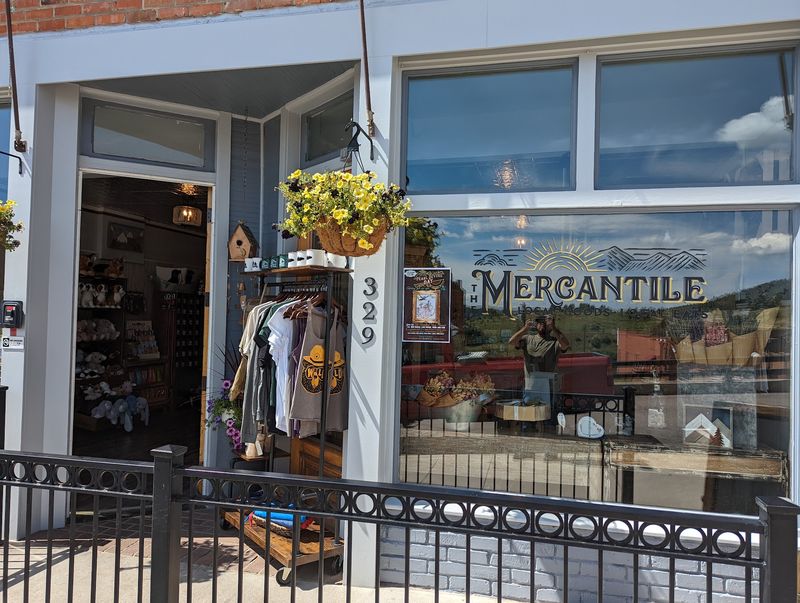
Gold miners in 1893 needed bread that could survive cold cabins and long shifts. According to Bakery On The Square, its sourdough starter traces back to that exact era in Cripple Creek.
That would make the culture more than 130 years old. The bakery describes its starter as traveling from Europe to the American West before landing in this mountain town.
Sourdough and mining camps go together like boots and mud. Commercial yeast was hard to keep fresh in remote places, so a living starter was practical, portable, and reusable.
Fun fact: experienced prospectors in the North were nicknamed sourdoughs because they carried starter with them. Some reportedly kept it close to their bodies on cold nights so it would not freeze.
Cripple Creek sits high in the Colorado mountains, about an hour or so from Colorado Springs. Bennett Avenue, where the bakery is located, is the historic main street of the old mining district.
A loaf from a starter with this backstory feels like edible history. You are tasting a tradition that kept working families fed through boom years and lean ones.
The bakery’s materials focus on its bread and heritage rather than selling starter to home bakers. Ask in person if you are curious, but plan to come away with bread.
High-altitude baking is its own puzzle, by the way. If you ever try sourdough at elevation, expect faster rises and plan to adjust timing.
Address: 240 E Bennett Ave, Cripple Creek, CO 80813
Sourdough & Moore, Ocean Beach, San Diego
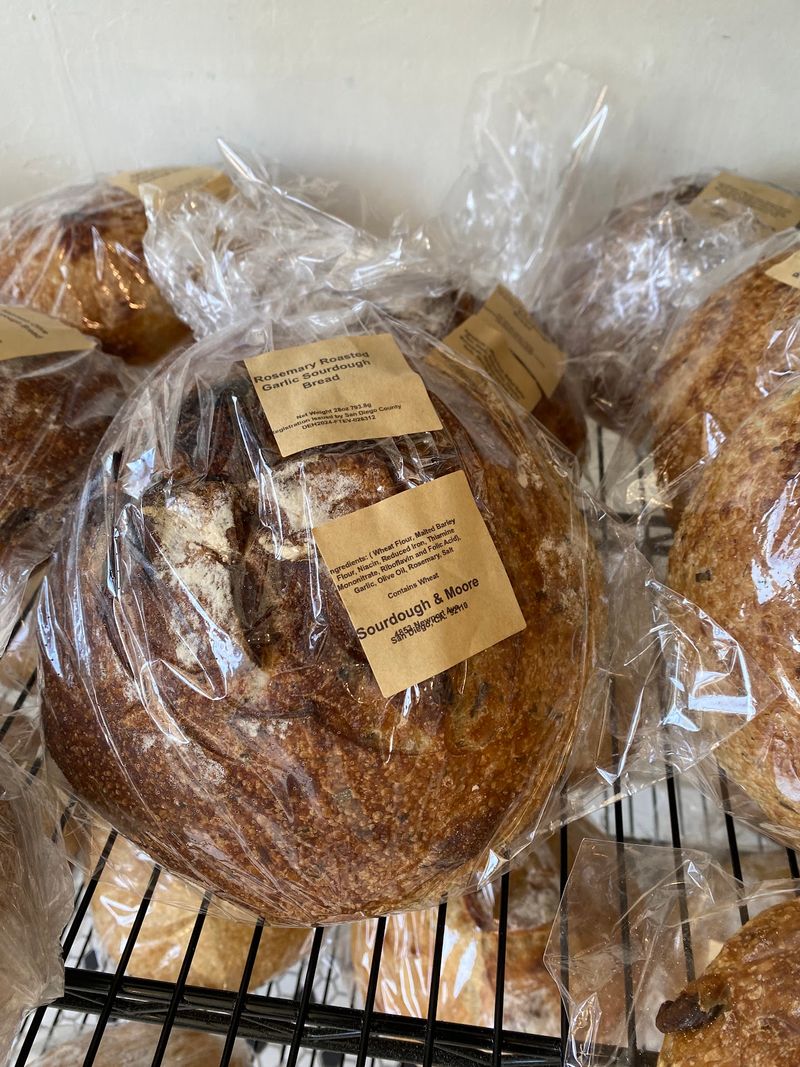
Bagels made with a century-old starter sound like a dare, yet here they are in a beach town. Sourdough & Moore says it uses a 100-year-old sourdough starter in most of its breads and pastries.
Founders David Moore and Emma Gibb built the business the old-fashioned way. They started selling at farmers markets before opening a brick-and-mortar shop in Ocean Beach.
That farmers market path is a smart lesson for anyone dreaming of selling bread. Markets let small bakers test recipes, build a following, and learn what customers actually want.
The menu stretches beyond classic loaves. Sourdough bagels and pastries show how an old culture can work in modern recipes with a little creativity.
Sourdough in pastry adds a gentle tang and can help with flavor depth. It is the same starter doing a very different job, a bit like a retired teacher coaching soccer.
Ocean Beach has a laid-back, surfy reputation, and Newport Avenue is its main shopping strip. Pairing a bakery stop with a walk to the pier makes for an easy morning plan.
The bakery does not advertise selling its starter, so think of this as a tasting stop. Check its current hours before heading over, since small shops sometimes adjust schedules.
If you bake at home, notice how its loaves look and smell. Comparing them to your own bread is free homework that can teach you a lot.
Address: 4853 Newport Ave, San Diego, CA 92107
Cossetta, St. Paul, Minnesota
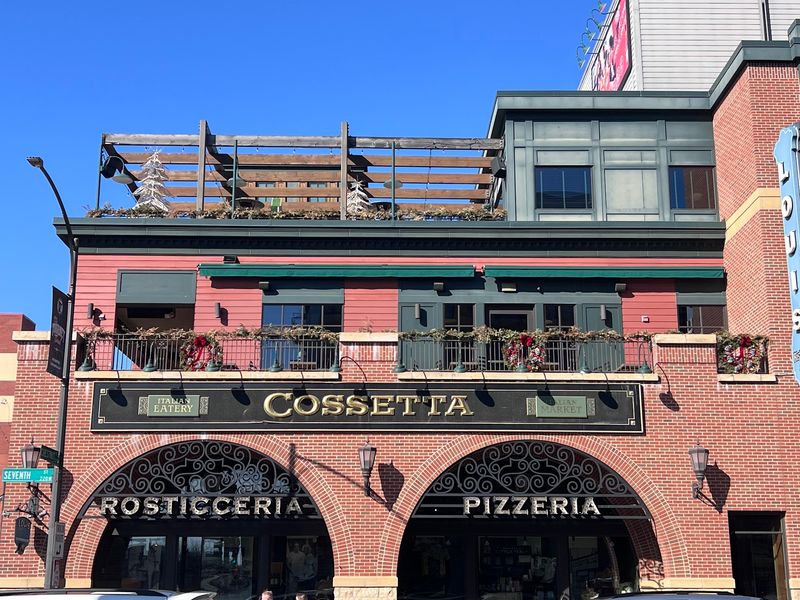
Panettone takes days to make, and Cossetta’s version leans on a starter that crossed an ocean. The St. Paul Italian market says its century-old sourdough starter came from Italy.
Cossetta has been in business for more than a hundred years itself. That makes it one of the rare spots where both the company and the culture have serious age.
Panettone is a tall, sweet Italian holiday bread full of dried fruit. Traditional versions rely on a natural starter called lievito madre, which gives the bread its airy texture and long shelf life.
Cossetta’s team has earned national panettone championship honors. That success has qualified bakers for international competitions, which is a big deal in the panettone world.
Here is a fun bit of trivia. Serious panettone makers often hang finished loaves upside down while cooling so the delicate crumb does not collapse.
The market also sells Italian groceries and prepared foods, so a bakery trip can turn into a full lunch. Plan for extra time if you like browsing deli counters.
Panettone is most closely tied to the winter holidays. Check availability before a special trip, since seasonal breads can sell out or appear only at certain times.
Cossetta does not advertise selling its starter to home bakers. Treat this one as a delicious history lesson you can slice and share with friends.
Address: 211 7th St W, St. Paul, MN 55102
King Arthur Baking Company Bakery & Café, Norwich, Vermont
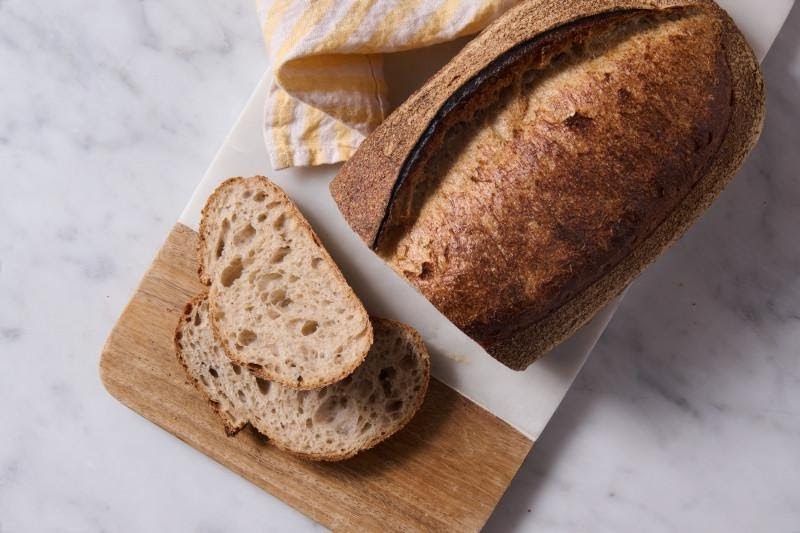
A New England family reportedly fed one starter since the 1700s, then handed it to a flour company. King Arthur Baking says its classic fresh sourdough starter descends from that colonial-era culture.
That would make it older than the United States, which is a wild thing to say about a jar of goo. Like most heirloom starters, the earliest history comes from family records and stories.
King Arthur’s flagship campus in Norwich includes a bakery and café plus a store. It is also home to the company’s baking school, which offers classes on site.
Bread fans like visiting because it mixes shopping, eating, and learning in one place. You can grab a pastry, browse flours and tools, and peek at class offerings.
Class schedules change, so check the baking school calendar before you plan around a sourdough lesson. Popular topics can fill up, and not every session focuses on starter.
King Arthur has employee ownership, which is a neat detail for a historic brand. The company has been around since 1790, so the starter and the business share old roots.
Norwich sits just across the Connecticut River from Hanover, New Hampshire. The drive in fall is famously pretty, with maples putting on a serious show.
If you cannot visit, the starter is also sold online, which I cover separately below. Either way, this is one of the easiest ways to meet a truly old culture.
Address: 135 US Route 5 South, Norwich, VT 05055
King Arthur Baking Classic Fresh Sourdough Starter (Mail Order)
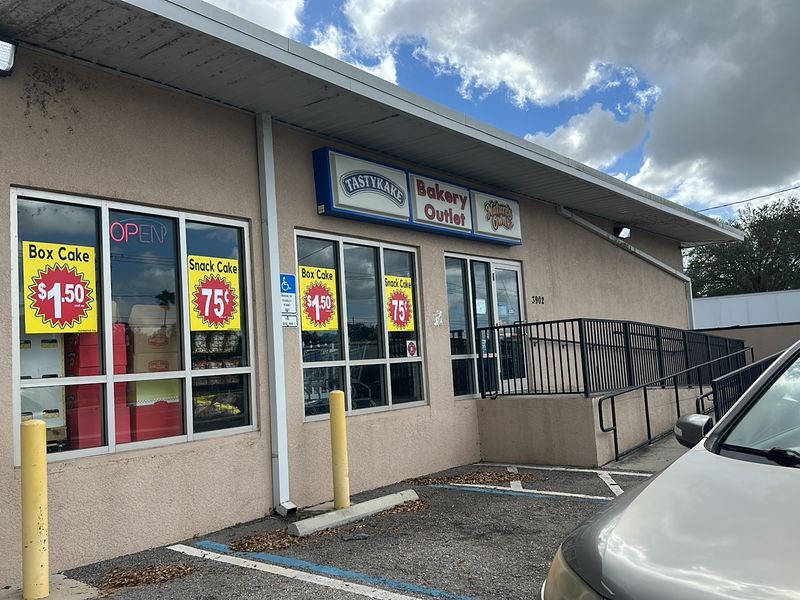
Not everyone can drive to Vermont, so the old culture comes to you in a box. King Arthur sells its classic fresh sourdough starter through its online shop for home bakers.
This is fresh starter, not a dried powder. That means it arrives as a small amount of live culture that you feed with flour and water to grow.
Fresh starter usually bounces back faster than dried versions. Still, shipping can stress any living culture, so give it a few feedings before judging it.
King Arthur publishes care instructions, which is helpful for beginners. Follow their feeding ratios at first, then adjust once you understand how your kitchen affects the rise.
Temperature makes a huge difference. A chilly kitchen slows things down, while a warm spot near the oven can speed fermentation a lot.
Here is a practical tip. Once your starter is lively, save a small backup in the fridge or dry some on parchment as insurance.
Availability and shipping rules can change, especially for live products in very hot or cold months. Check the product page before ordering and plan for someone to be home when it arrives.
Remember that this is a purchase of starter, not bread. You will be the one doing the baking, which is honestly the fun part.
Feed it well, and you join a chain of bakers stretching back centuries. No pressure, but try not to be the one who lets it die.
Carl Griffith’s 1847 Oregon Trail Sourdough Starter
Here is the one surprise entry, and I am flagging it clearly. This is not a bakery, but it is one of the best-known century-old starters available to Americans.
The story says Carl Griffith’s family carried this starter over the Oregon Trail in 1847. Griffith shared it freely for decades, and after he died in 2000, volunteers kept the tradition going.
Those volunteers, often called Carl’s Friends, send dried starter to people who request it. The tradition has asked only for a self-addressed stamped envelope rather than a payment.
Request details can change, since this is a volunteer effort. Check the group’s own instructions before mailing anything, and follow them exactly.
The starter arrives dried, so you will need to rehydrate it. Expect several days of feeding before it becomes active enough to raise a loaf.
I love that this tradition is built on generosity. A pioneer family’s starter now lives in kitchens across the country because strangers kept passing it along.
If you receive some, consider drying a little extra to share. That simple habit is exactly how heirloom starters survive for generations.
Keep expectations realistic about flavor. Over time, any starter adapts to your flour, water, and kitchen, so yours will develop its own personality.
Still, there is something fun about telling friends your bread has Oregon Trail roots. It beats saying you bought yeast at the grocery store.
Sourdoughs International Heirloom Cultures
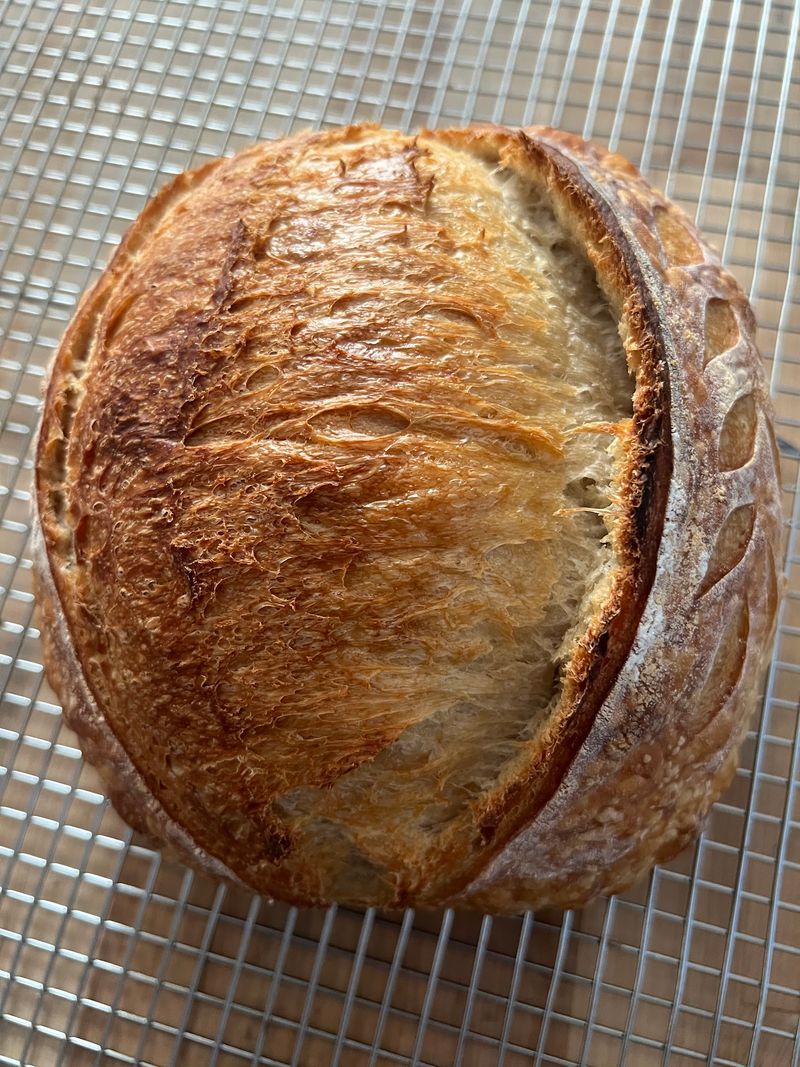
Another honest note before we start: this is a mail-order culture company, not a bakery. It earns a spot because it brought old-world starters to American home kitchens.
Sourdoughs International was founded by Ed Wood, a scientist and author who collected sourdough cultures from around the world. He wrote popular books on baking with wild starters.
The company sells dried cultures from different regions. Some are described as coming from long-established bakeries or traditional baking areas abroad.
Exact ages for each culture are not always documented. Read each product description carefully and treat dramatic age claims as stories unless details are provided.
Dried cultures are sturdy travelers. They can survive shipping well, then come back to life after a few days of feeding.
Activating one takes patience and a warm spot. Follow the included instructions closely the first time, then experiment once the culture is reliably bubbling.
A fun experiment is trying two cultures side by side. Using the same flour and schedule, you may notice differences in rise, smell, or sourness.
Over months, though, your home environment will shape each one. Wild yeasts and bacteria from your flour and kitchen can slowly change the balance.
Think of these cultures as a starting point with a backstory. The real magic comes from how you feed and use them.
Questions To Ask Any Bakery About Its Old Starter
Finding twelve bakeries with documented century-old starters turned out to be surprisingly tricky. Many old bakeries closed, changed owners, or never wrote down their starter’s history.
That gap makes good questions your best tool. Asking politely can uncover great stories and help you separate history from marketing.
Start with where the starter came from. A bakery with a real heirloom culture usually loves talking about the family, town, or country it traveled from.
Next, ask whether it has been fed continuously. Some starters were revived from dried flakes, which is still cool but slightly different from an unbroken chain.
You might also ask whether the bakery shares or sells starter. Many do not, and that is fine, since protecting a signature culture makes business sense.
Here is a helpful clue. Bakeries with real history often mention specific names, dates, or events rather than vague phrases like old-world tradition.
Keep the conversation friendly rather than skeptical. Bakers are busy, and nobody enjoys feeling cross-examined over a croissant.
Remember that a starter’s age does not guarantee better bread. Skill, flour, and fermentation time matter just as much as birthdays.
Fun fact: researchers studying sourdough have found that a baker’s own hands and kitchen can influence the microbes in a starter. In other words, the keeper matters as much as the culture.
So enjoy the stories, buy the bread, and stay curious. That combination makes every bakery stop more fun.
How To Keep Your Own Starter Going For 100 Years
Every century-old starter began as one person’s daily chore. With a few smart habits, yours could outlive your kitchen table.
Consistency is the big secret. Feed your starter on a regular schedule, using the same flour when possible, so the microbes settle into a steady routine.
A kitchen scale helps more than you might expect. Weighing flour and water gives you repeatable results instead of guessing with cups.
Not baking often? The fridge is your friend, since cold slows fermentation and stretches time between feedings.
Before refrigerating, feed the starter and let it get a little active. Then pull it out a day before baking and give it a couple of feedings to wake up.
Backups are how old starters survive disasters. Spread a thin layer on parchment, let it dry completely, then crumble it into a sealed jar.
Write down the story too. A simple note with dates, sources, and who gave it to you turns a jar into family history.
Fun fact: the Boudin story of rescuing a starter during the 1906 earthquake shows how fragile these cultures can be. One emergency could have ended it.
Share pieces with friends and family whenever you can. Spreading a starter around is the oldest insurance policy in baking.
Someday a baker might ask where your culture came from. With good notes, you will have a great answer.
Online Heritage Starter Listings On eBay
Search online marketplaces and you will find plenty of starters labeled heritage, pioneer, or century-old. Some come with charming stories about grandparents and gold rushes.
Many of these sellers are home bakers, not commercial bakeries. That is not a problem, but it means the history is usually family lore rather than documented fact.
Read the listing closely before buying. Look for details on whether the starter ships dried or fresh, and what instructions are included.
Dried starter generally handles mail better than fresh. Fresh starter can struggle in extreme heat or cold, so timing matters.
Seller feedback is your friend here. Read reviews about how well the starter revived, rather than trusting the age claim alone.
Be a little wary of very dramatic promises. A listing claiming exact microbial magic or guaranteed flavor is overselling a living culture.
Price is also worth comparing. Some volunteer groups share old starters freely, so make sure a paid listing offers something you actually want.
If the story speaks to you, go for it. Plenty of happy home bakers started with a mailed envelope and a little faith.
Just remember that your kitchen will reshape any culture over time. The legend arrives in the mail, but the flavor grows up at your house.
Treat these listings like a treasure hunt with a dash of caution. That mindset keeps the fun high and the disappointment low.