A plain loaf of sourdough often costs about $2 to $3 in ingredients, yet many home bakers sell it for $8 to $14. That gap explains why so many kitchen counters now double as tiny bakeries.
Most states allow this through cottage food laws. These rules let you sell certain low-risk foods made at home, and basic sourdough bread usually qualifies because it doesn’t need refrigeration.
The catch is that every state writes its own rules. Sales caps, labeling, and where you can sell all change once you cross a state line.
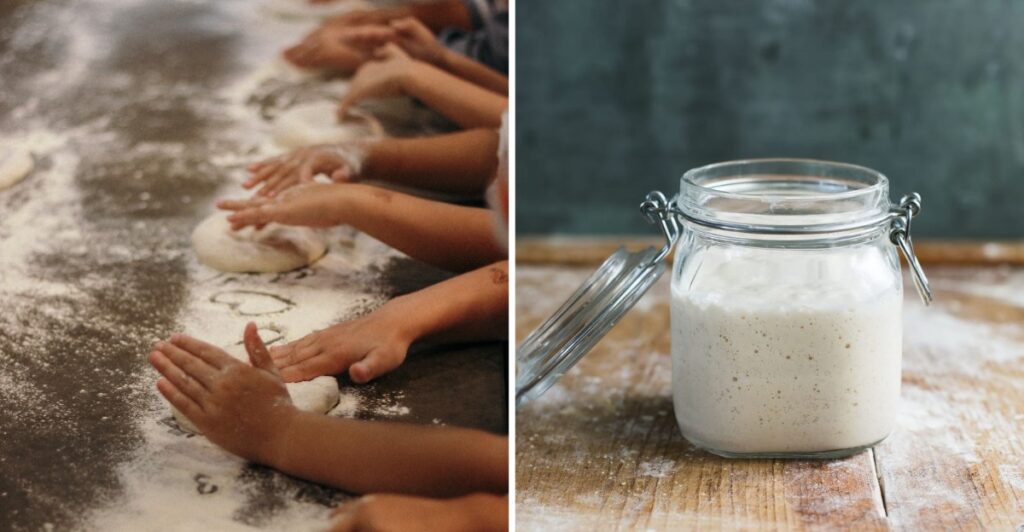
I love how a single bubbly jar of flour and water can turn into a real business plan.
Loaves are only one path, though. Some bakers earn more from starter, classes, or kits than from bread itself, and each route asks for different skills, time, and paperwork before you take that first order.
Crusty Artisan Sourdough Loaves Sell Straight From the Porch
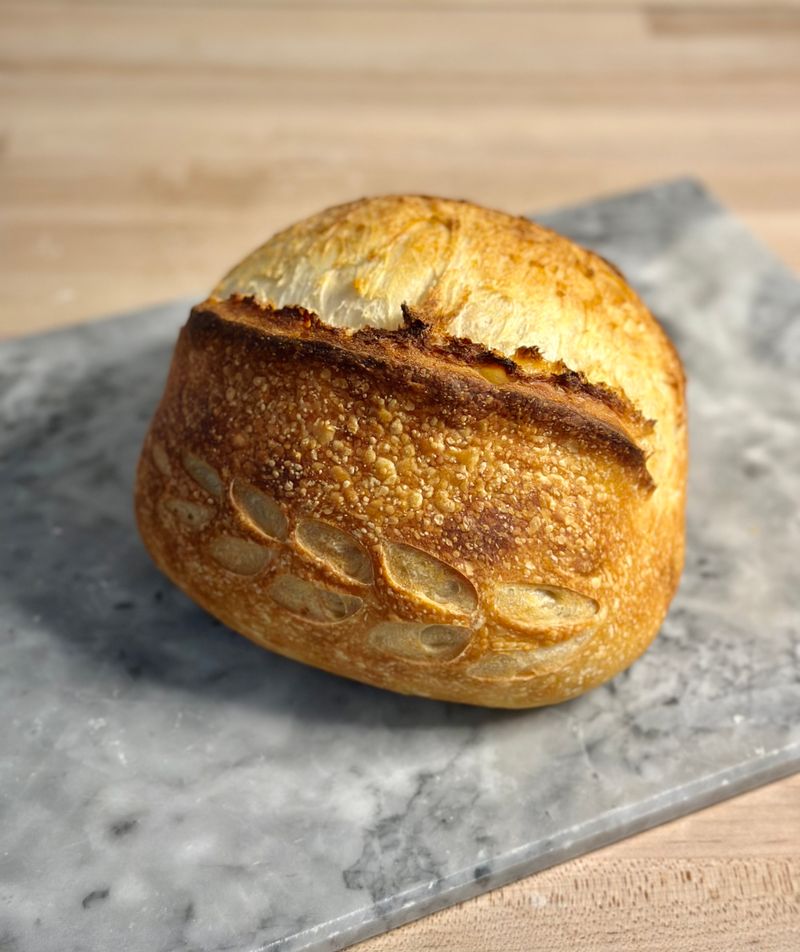
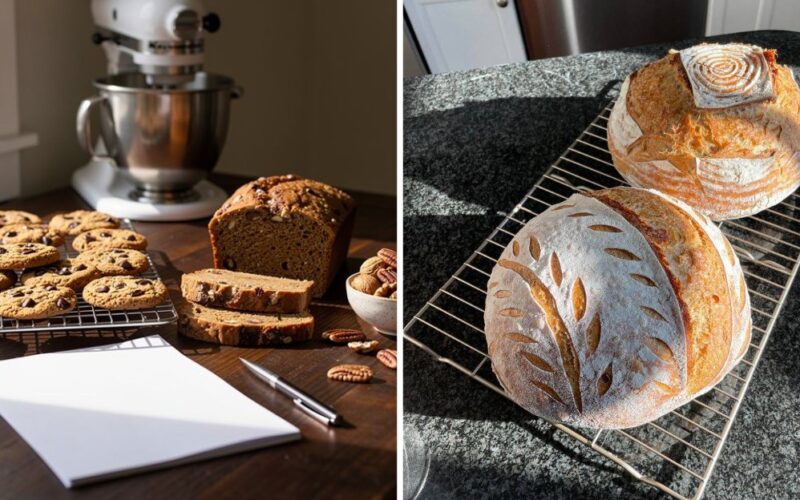
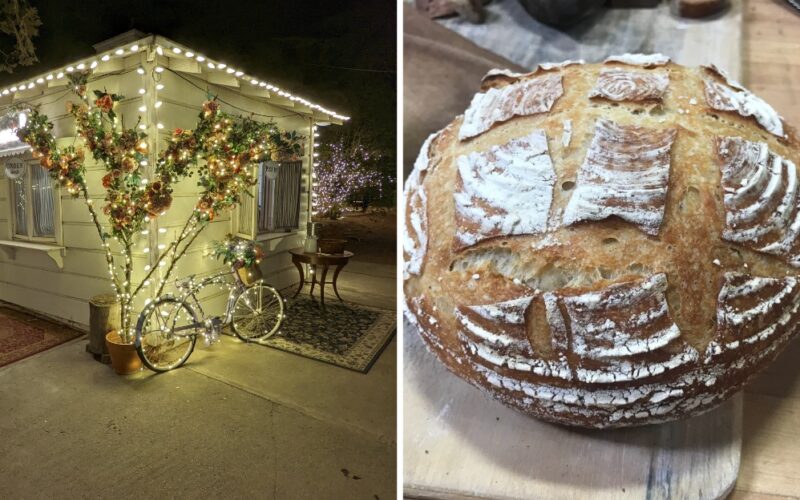
Ask most cottage bakers how they started, and the answer is usually a single boule and a neighbor who asked to buy one. Plain sourdough is allowed under cottage food rules in nearly every state because it is shelf-stable and low in moisture.
The math looks friendly at first glance. Ingredients and overhead often run around $2.10 to $3.80 per loaf, while sale prices commonly land between $8 and $14, with add-ins like jalapeno cheddar fetching more.
Your oven sets the real limit. A typical home oven, especially with Dutch ovens, may turn out roughly 8 to 16 loaves on a baking day, depending on how many pots fit and how you stagger the bakes.
Before selling, look up your state cottage food page. Many states require a label listing your name, address, ingredients, and allergens like wheat, plus a statement that the food was made in a home kitchen.
Consistency matters more than fancy scoring. Customers come back when Tuesday’s loaf tastes like last Tuesday’s, so track your starter timing, dough temperature, and bake times in a simple notebook.
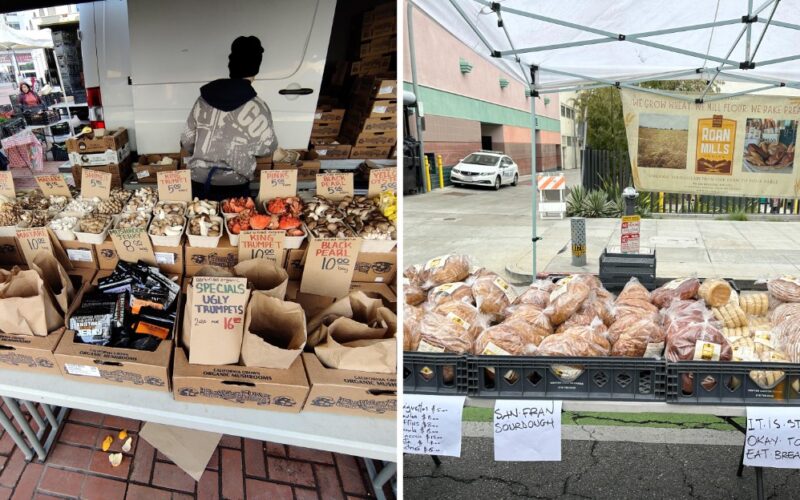
Porch pickup, farmers markets, and social media pre-orders are the most common sales channels. Pre-orders are especially helpful because you bake only what has already sold, which means fewer leftover loaves sitting on your counter.
Weekly Sourdough Bread Subscriptions Keep the Oven Busy
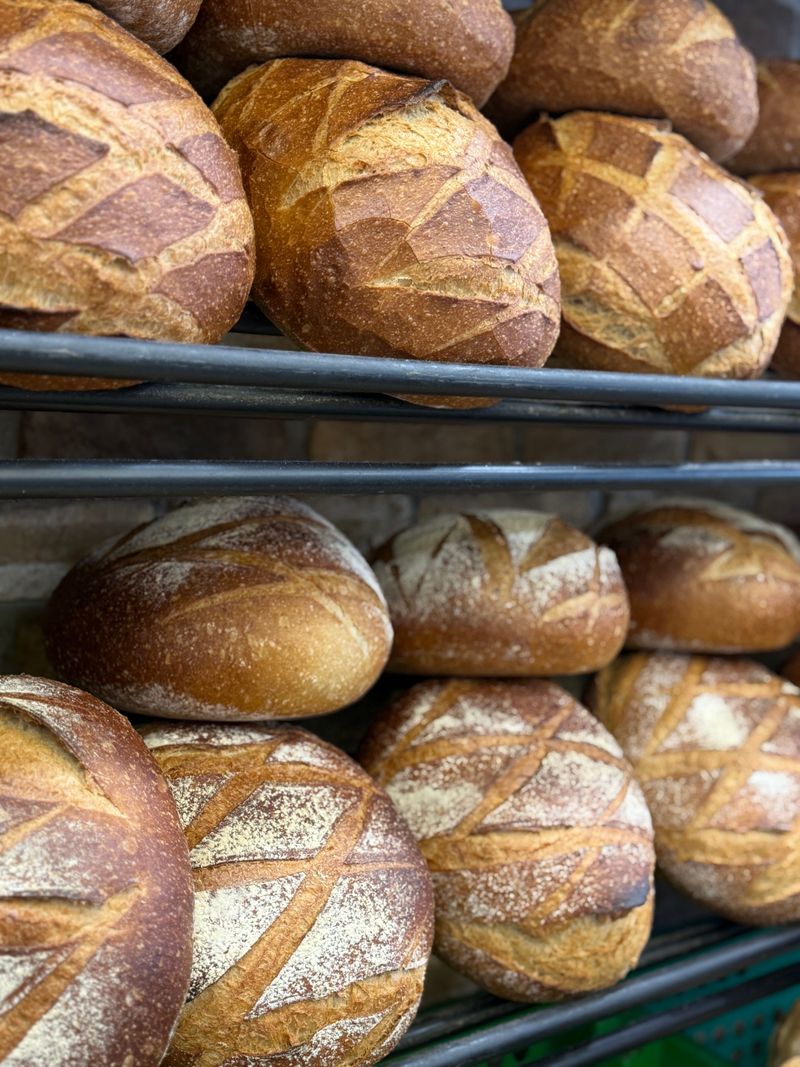
Farmers figured this out long ago with CSA boxes, and bread bakers borrowed the idea. Customers pay ahead for a loaf every week or month, and you know exactly how much dough to mix.
Predictable orders solve the biggest headache of a bread hustle. Instead of guessing demand and hoping the market crowd shows up, you plan feedings and bake days around a fixed number.
Most subscription bakers keep the menu tight. A classic country loaf plus one rotating flavor, like rosemary or cinnamon raisin, keeps things interesting without turning your kitchen into a production line.
Pickup windows make life easier, too. A cooler on the porch from 4 to 7 p.m. on Fridays beats chasing individual drop-offs across town, though some bakers charge a small fee for local delivery.
Think about pauses before you launch. People travel, and so do you, so decide how skipped weeks, refunds, and holiday breaks work, then write those rules where subscribers can see them.
Check whether your state allows prepaid or online orders under cottage food law. Some states limit sales methods or set yearly income caps, and a popular subscription can hit that cap faster than you expect.
Bubbly Jars of Sourdough Starter Become Bestsellers
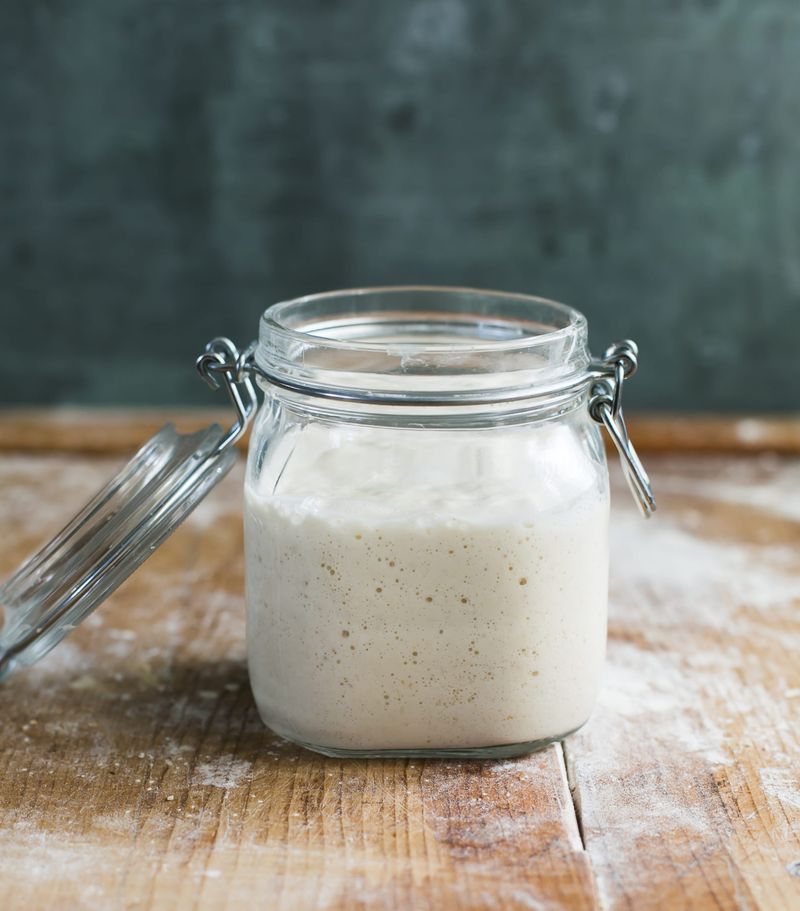
Some people would rather adopt a starter than raise one from scratch. Building a starter can take a week or more of daily feeding, so a mature culture saves beginners plenty of trial and error.
You can sell it two ways. Active starter goes home in a jar for local buyers, while dehydrated starter ships easily and lasts much longer in the pantry.
Drying is simple in principle. Spread a thin layer of fed, active starter on parchment, let it dry completely at room temperature, then break it into flakes and store it in a sealed bag.
Clear revival instructions are part of the product. Buyers usually rehydrate flakes with water, then feed with flour and water over a few days, but recovery speed depends on room temperature and flour, so promise signs of activity rather than an exact date.
Tell customers what healthy looks like. Bubbles, a pleasant tangy smell, and reliable rising after feeding are good signs, while fuzzy mold or pink and orange streaks mean the batch should be thrown out.
Shipping across state lines may fall outside cottage food rules in some places. Check your state guidance before mailing starter, since online and interstate sales are handled differently from local ones.
Sourdough Bagels, Crackers, and Focaccia Fill Out the Menu
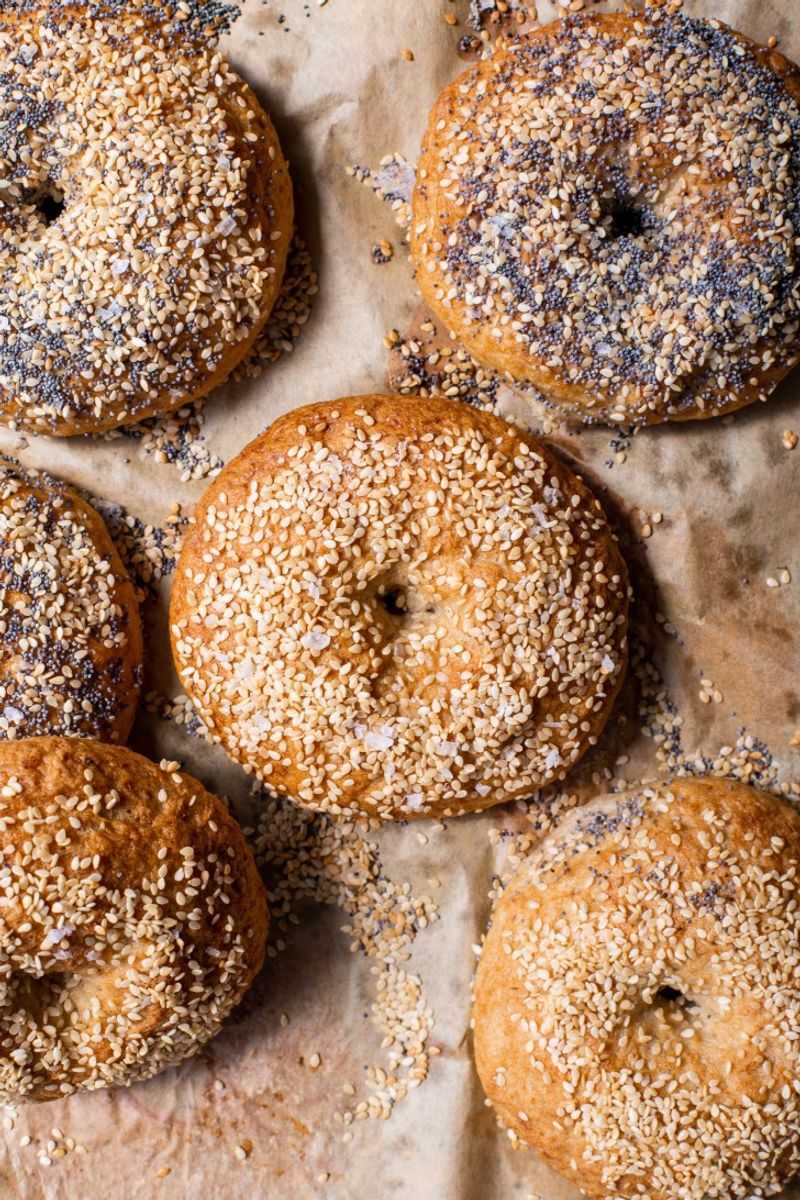
Discard used to be the sad part of sourdough. Now it often becomes crispy crackers, chewy cookies, and other snacks that sell faster than anyone expected.
Adding variety helps you reach shoppers who don’t want a full loaf. A bag of seeded crackers or a half dozen bagels makes an easy impulse buy at a market booth.
Boiled sourdough bagels, rosemary focaccia, and cinnamon rolls are popular choices. Each uses skills you already have, just with different shaping, toppings, or baking methods.
Food safety rules shape this menu, though. Cottage food laws generally ban perishable items like cream-filled pastries, cheesecake, and custard pies because they need refrigeration to stay safe.
Frostings can be tricky as well. A simple glaze may be fine, while cream cheese frosting is often not allowed, so read your state’s approved food list before adding that tempting topping.
Start with one or two extras rather than ten. Watch which items sell out, which come home, and which take too long to make, then trim the lineup so your hourly earnings actually make sense.
Hands-On Sourdough Workshops Turn Know-How Into Income
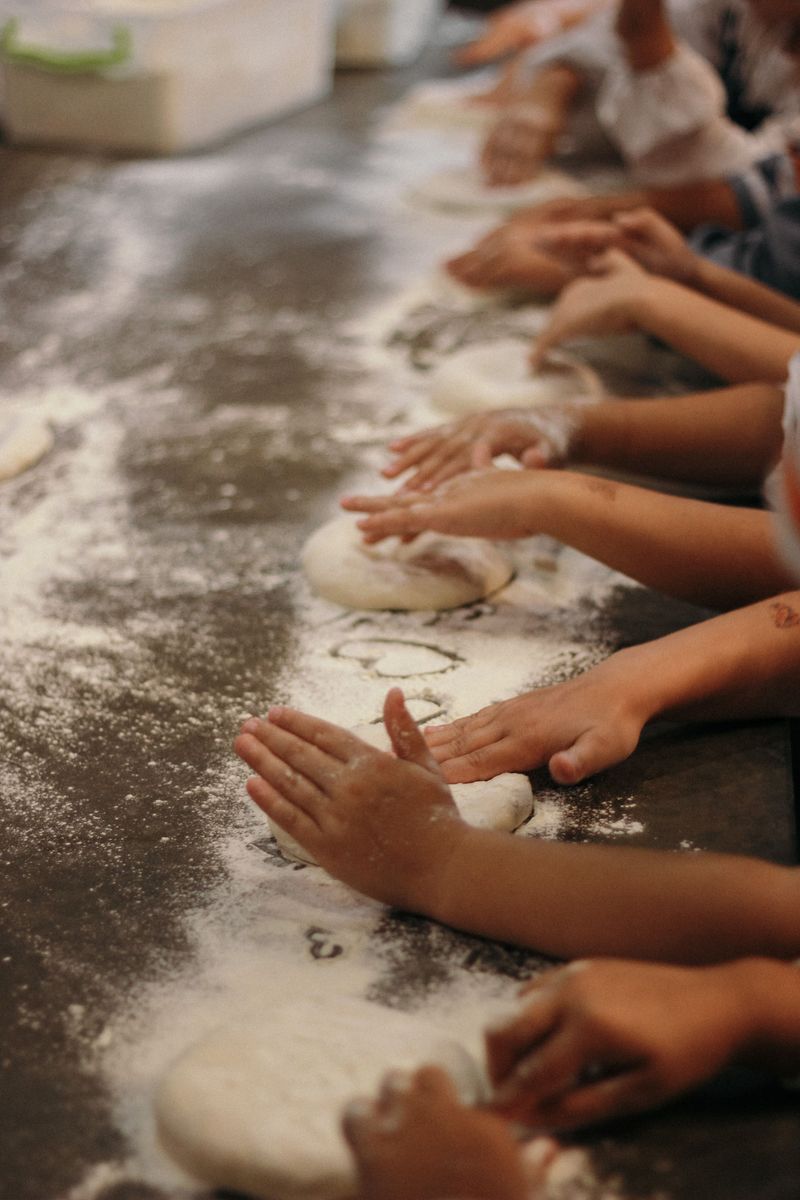
One online sourdough course reportedly brought in about $86,000 in a single year. That figure is an outlier, but it shows how valuable clear teaching can be.
Teaching sells your knowledge rather than your oven space. You can host four to eight students at your kitchen table, rent a community kitchen, or record lessons online.
Good classes usually cover the basics in order. Think starter care, mixing, folding, shaping, and scoring, with plenty of time for questions about sticky dough and flat loaves.
Sourdough timelines make live classes interesting. Since dough needs hours to ferment, many teachers prepare doughs at different stages ahead of time, so students can see each step in one session.
Send everyone home with something useful. A small jar of starter, a printed recipe, and a shaped dough to bake later help students practice before the details fade.
Check local rules if guests eat food in your home, and consider liability insurance. Online classes skip many of those concerns, but they require decent video, good lighting, and patience with editing.
Gift-Ready Sourdough Starter Kits Win Over Beginners
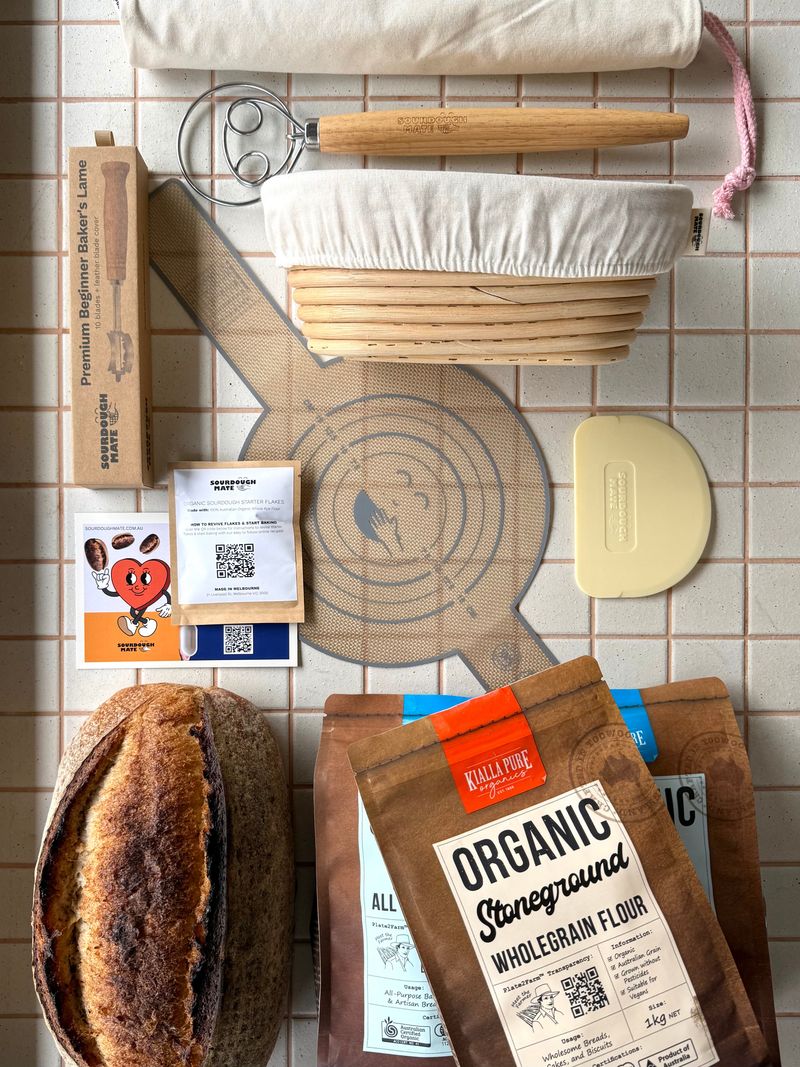
Picture shopping for a friend who just binge-watched bread videos. A ready-made sourdough kit solves that gift problem, which is why kits sell well around the holidays.
Most kits start with dehydrated starter and clear revival instructions. From there, bakers add tested recipes, a specific flour recommendation, and sometimes tools like a banneton or scoring lame.
Your instructions are the real product. A beginner should know what an active starter looks like, how to feed it, and what to do if it seems sluggish after a few days.
Price tools carefully before bundling them. Bannetons and lames add value, but they also add cost and shipping weight, so compare a basic kit against a deluxe version.
Labels still matter for food parts. The dried starter is a food item, so follow your state’s labeling rules even if the rest of the box is gear.
Offer support after the sale if you can. A short video link or an email for questions reduces frustrated customers and often leads to repeat orders for bread classes or more starter.
Coffee Shop Shelves Stocked With Local Sourdough Bread
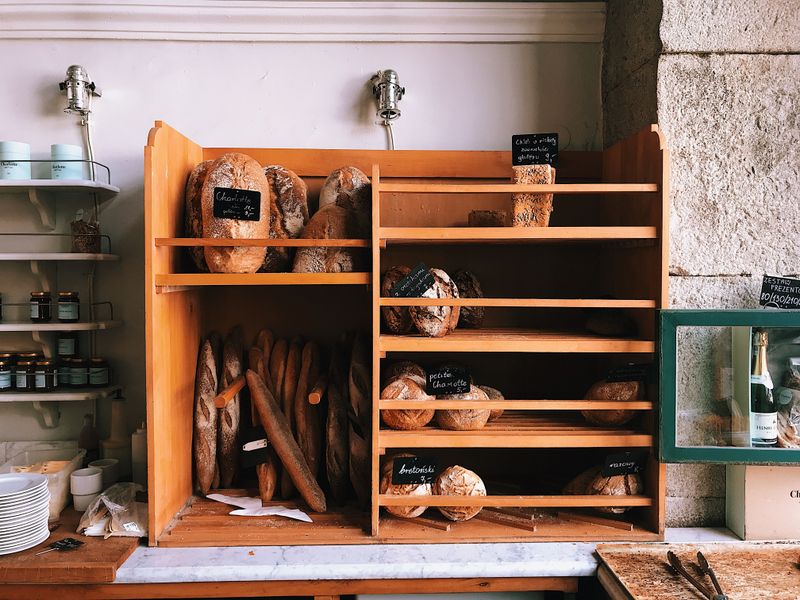
Few things feel better than spotting your loaves behind a cafe counter. Selling wholesale to coffee shops, small grocers, and specialty markets can bring larger, steadier orders.
That steadiness comes with tradeoffs. Wholesale prices are usually lower than retail, so you need to know your true cost per loaf before agreeing to a deal.
Legal limits matter most here. Many states allow only direct sales from baker to customer, while others permit sales through stores with different caps or extra requirements.
If your state blocks wholesale, a licensed commercial kitchen may be the next step. Some bakers rent space by the hour to fill store orders legally while keeping home baking for direct customers.
Shops expect reliability. Missing a Friday delivery because your starter was sluggish can cost you the account, so build in extra time and a backup plan.
Bring samples and a simple price sheet when you pitch. Owners like knowing shelf life, delivery days, and minimum orders up front, and clear answers make you look like a business rather than a hobby.