Soft pretzels get their deep brown shine from a quick dip in a baking soda bath before they hit the oven. That alkaline splash speeds up browning and gives them their famous chewy skin.
Sourdough pretzels get the same treatment.
Your starter discard can pull off tricks too. It does not need to be bubbly to be useful.
In many quick recipes, baking powder handles the rise while discard brings tang and tenderness.
That matters at lunchtime. Plenty of breads go stale or soggy by noon.
Sourdough fermentation adds acidity, which can help some breads keep their texture and resist staling a little longer.
So the jar on your counter might be the best lunch planner you own. The ideas ahead travel well, taste good at room temperature, and turn leftover starter into something worth opening.
I love that kind of thrift.
Sourdough Discard Pizza Pockets
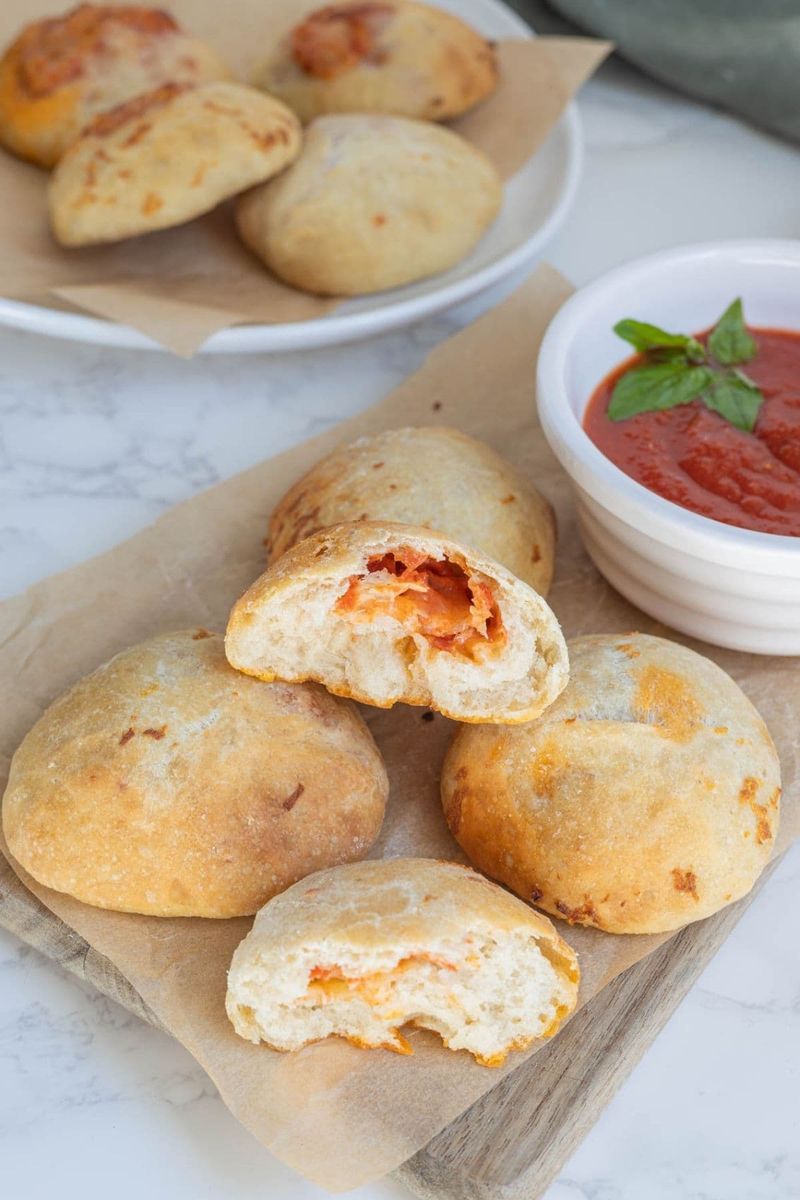
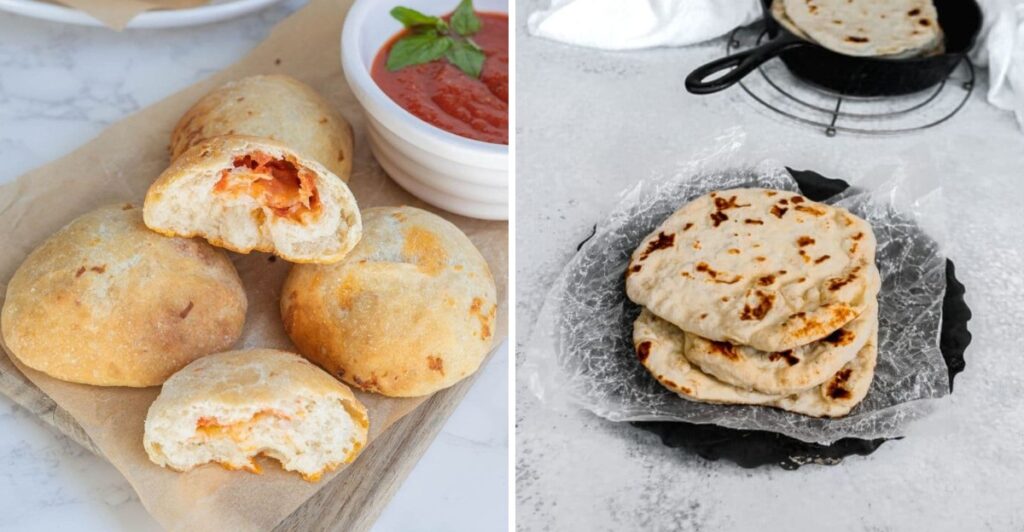
Greek yogurt is the quiet hero inside a discard pizza pocket. It softens the dough and adds extra tang that plays nicely with the starter.
Baking powder does the lifting here, so unfed discard straight from the fridge works fine. You get a soft, sturdy crust without waiting hours for a rise.
How the dough comes together: Stir discard with flour, salt, baking powder, garlic powder, yogurt, and a splash of olive oil. Knead briefly until it feels soft and only a little tacky.
Roll it into a rectangle and spread on a thin layer of pizza sauce. Go easy here, because extra sauce leaks out and turns the bottom soggy.
Sprinkle shredded mozzarella over the sauce and add pepperoni or diced vegetables. You can roll the whole thing into a log and slice 1-inch spirals, or fold squares into sealed pockets.
- Seal: Press the edges with a fork so the cheese stays inside.
- Bake: Bake at 350°F (180°C) for about 20 minutes, until golden brown.
- Cool: Let them cool fully on a rack before packing.
Cooling matters more than you might think for a lunchbox. Warm pockets trapped in a closed container steam themselves and lose their nice crust.
Since they hold meat and cheese, pack them with an ice pack to keep them cold until lunch. Food-safety guidance says perishable foods shouldn’t sit at room temperature for more than two hours.
They taste good cold, which is lucky for anyone without a microwave at school or work. Leftovers freeze well in a zip-top bag, so you can grab one on a busy morning and let it thaw in the cooler.
Savory Sourdough Muffins With Feta And Zucchini

Zucchini is mostly water, and that is exactly why it belongs in a savory muffin. Grated and lightly squeezed, it keeps the crumb moist for hours without making it gummy.
Pair it with feta and your discard, and lunch starts to feel like a bakery stop. The salty cheese and tangy starter balance each other in a very satisfying way.
Wet ingredients: Whisk discard, eggs, olive oil, minced garlic, and Greek yogurt in one bowl. The yogurt adds tenderness and a little more tang.
Dry ingredients: Combine plain flour, baking powder, and sea salt in another bowl. Toss in grated zucchini, grated carrot, and crumbled feta so they get coated in flour.
Coating the add-ins helps keep them spread through the batter instead of sinking. It’s a small step that pays off when you bite into the middle.
- Fold: Gently fold the wet mix into the dry until no flour streaks remain.
- Fill: Spoon the batter into lined muffin cups about three-quarters full.
- Bake: Bake at 350°F (180°C) for 20 to 25 minutes, until golden and a toothpick comes out clean.
Resist the urge to overmix the batter. Too much stirring builds gluten and leaves you with tough, tunnel-filled muffins.
Roasted pumpkin is another tasty swap if zucchini isn’t in season. Just keep the total amount of add-ins about the same so the batter stays balanced.
Store the muffins in an airtight container in the fridge for up to three days. They taste fine at room temperature, so a cold one tossed in the lunchbox in the morning will be ready by noon.
Crispy Sourdough Discard Crackers With Herbs
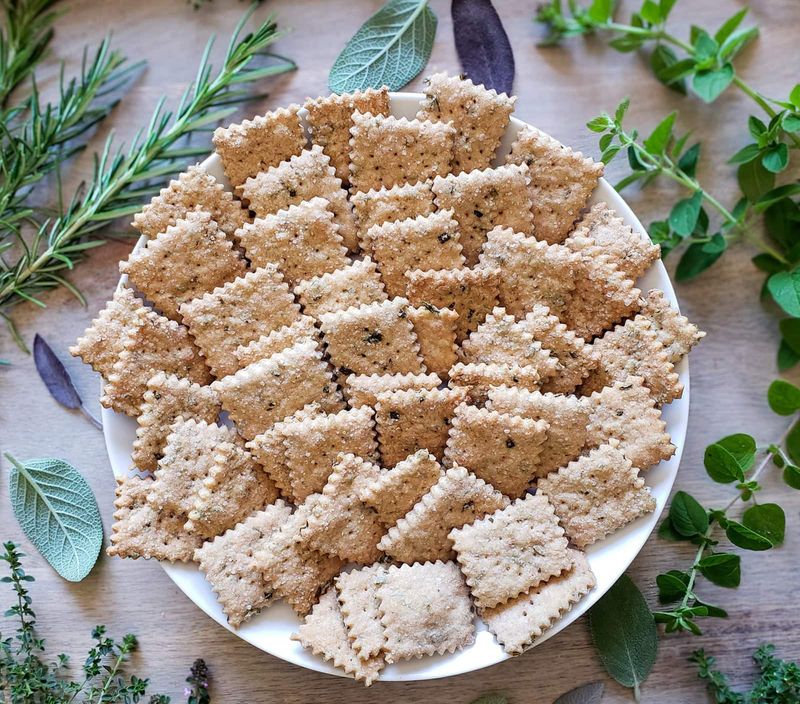
A cracker is one of the few lunchbox foods that actually wants to be dry. That makes homemade sourdough crackers a smart pick, since they stay crunchy long after you pack them.
Discard gives them a pleasant sour edge that store-bought boxes often lack. Plus, you’ll use up starter that might otherwise head for the trash.
The basic dough: Mix discard with all-purpose flour, softened butter or olive oil, and salt until it forms a cohesive ball. Season it with garlic powder, onion powder, dried herbs, or nutritional yeast for a cheesy note.
Chill the dough for at least 30 minutes before rolling. Cold dough is easier to handle and rolls out more evenly.
- Roll: Roll the dough very thin, about 1/16 to 1/8 inch, right on parchment paper.
- Score: Cut it into squares with a pizza cutter and prick each one with a fork.
- Bake: Bake at 325 to 375°F (160 to 190°C) for 10 to 25 minutes, depending on thickness.
Watch the edges closely near the end of baking. Thin outer crackers brown faster, so you may need to pull them off early and return the rest.
Even thickness is the secret to a uniform batch. If the middle stays pale and bendy, slide the tray back in for a few more minutes.
Let them cool completely before packing, because trapped steam softens them. Once cool, they keep in an airtight container at room temperature for up to a week.
For lunch, pair them with cheese cubes, hummus, or sliced apples. Pack the dip separately so the crackers don’t go soft before the bell rings.
Sourdough Focaccia Sandwiches With Rosemary
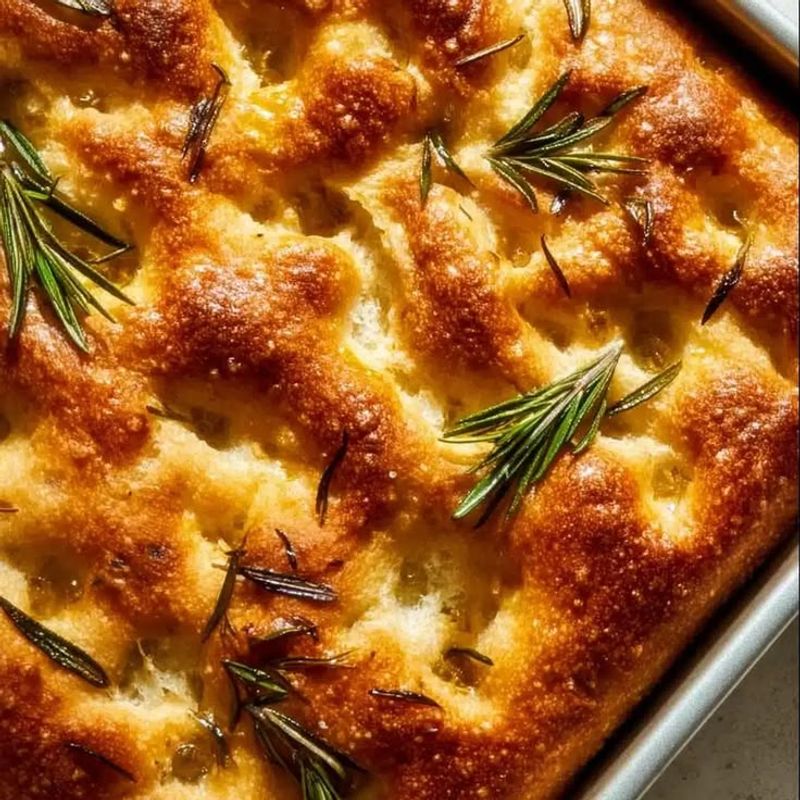
Olive oil is focaccia’s built-in raincoat. The oil-rich crumb resists absorbing moisture, so it handles sandwich fillings better than many soft breads.
Unlike the quick discard recipes, focaccia needs an active, bubbly starter. That’s what gives the dough its open, airy holes.
Start the dough: Mix active starter, water, high-protein bread flour, salt, and olive oil until shaggy. Let it rest, then do a few rounds of stretch and folds over the next couple of hours.
Many bakers chill the dough overnight in the fridge. That cold rest deepens the flavor and makes the sticky dough much easier to manage.
- Spread: Turn the dough into a well-oiled baking pan and gently stretch it toward the corners.
- Proof: Let it rise until puffy and jiggly, often a few hours at room temperature.
- Dimple: Press your fingertips deep into the dough and drizzle with more oil.
- Bake: Add rosemary and flaky salt, then bake at 400 to 425°F (204 to 220°C) for 18 to 25 minutes.
Look for a deep golden top and crisp edges before pulling it out. Pale focaccia tends to taste flat and can feel soggy underneath.
Once cool, cut squares and slice them in half like a bun. Fill them with turkey and provolone, or mozzarella, tomato, and basil.
Put wet ingredients like tomato between layers of cheese or greens. That small barrier keeps the bread from getting soggy.
Wrap each sandwich tightly in parchment and keep it cold with an ice pack. The bread stays tender, and the crust keeps a little chew until lunchtime.
Soft Sourdough Pretzels With Coarse Salt
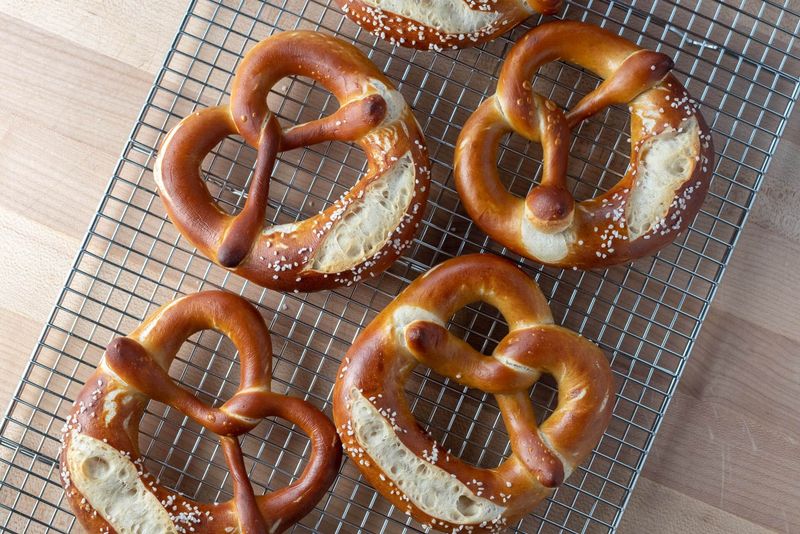
Sixty seconds or less in a pot of simmering baking soda water is what turns plain dough into a pretzel. That quick bath creates the shiny, mahogany crust and familiar chewy bite.
Pretzels are sturdy enough to survive a backpack. They also taste great at room temperature, making them a fun break from sandwiches.
Make the dough: Combine active starter, warm water, flour, a little brown sugar or honey, and salt. The dough should be stiff, which helps the twists hold their shape.
Let it bulk ferment until it looks noticeably puffy. Timing depends on your kitchen temperature, so watch the dough instead of the clock.
- Shape: Divide the dough, roll each piece into a long rope, and twist it into a pretzel.
- Boil: Simmer each pretzel in baking soda water for about 30 seconds.
- Top: Brush with egg wash and sprinkle with coarse salt.
- Bake: Bake at 400 to 450°F (200 to 230°C) for 12 to 25 minutes, until deep brown.
Be careful with the boiling step, since the water bubbles up when you add baking soda. Use a large pot and a slotted spoon to move the pretzels.
Don’t panic if they look darker than regular bread. That rich color is exactly what you want.
For lunch, pack a small container of mustard or cheese dip on the side. Salt can make the crust a little damp over time, so you might salt only the ones you’ll eat soon.
Store cooled pretzels in an airtight container at room temperature for a day or two. Extras freeze well and thaw nicely by midday.
Cheddar Parmesan Sourdough Cheese Straws
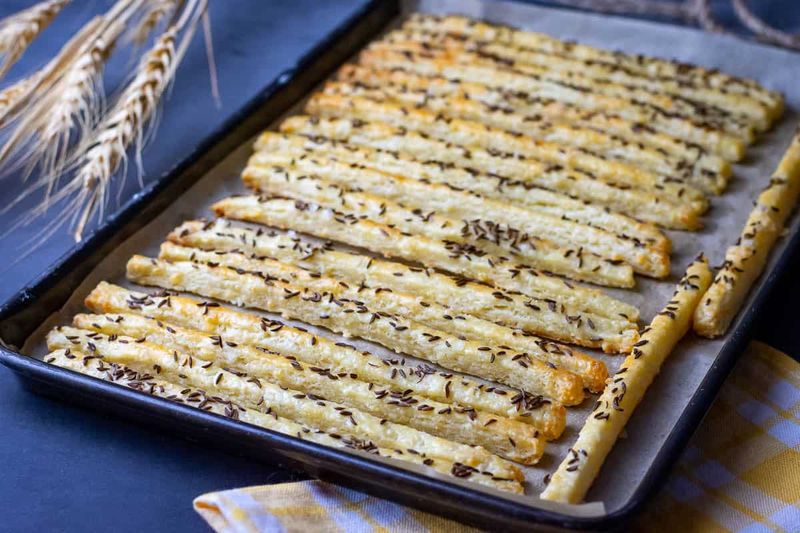
Cold butter is the reason cheese straws flake. As those little butter pieces melt in the oven, they release steam and create thin, crispy layers.
Sharp cheddar and Parmesan bring bold flavor, while discard adds a light sour kick. Together, they make a snack that tastes good at room temperature.
Build the dough: Cut cold unsalted butter into flour, salt, and spices like smoked paprika or cayenne. Stop when the mix looks like coarse crumbs with pea-size pieces.
Stir in grated cheddar and Parmesan, then add discard plus a spoonful of sour cream or cold water. Mix just until a shaggy dough forms.
- Chill: Wrap the dough and refrigerate it for at least 30 minutes.
- Roll: Roll it about 1/8 inch thick and cut thin strips.
- Twist: Gently twist each strip and set it on a parchment-lined sheet.
- Bake: Brush with egg wash, add extra cheese or seeds, and bake at 375°F (190°C) for 15 to 20 minutes.
If the dough gets soft while you work, put it back in the fridge for a few minutes. Warm butter smears into the flour and the layers flatten out.
Grate your own cheese if you can. Pre-shredded cheese often includes anti-caking powders that keep it from melting as smoothly.
The straws are done when they’re golden and crisp at the ends. Let them cool on the pan so they firm up.
Pack a handful alongside fruit or soup in a thermos. They stay fresh in an airtight container for about three days, which should be plenty.
Skillet Sourdough Discard Flatbread Wraps
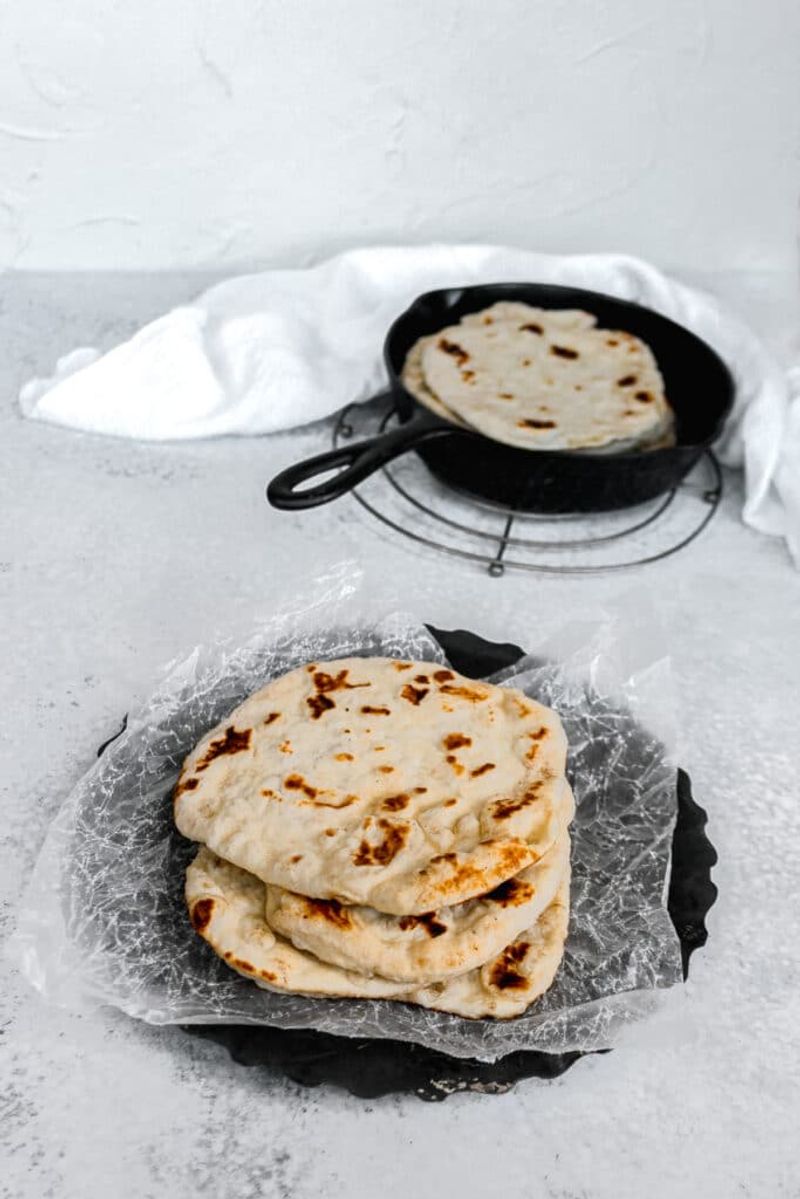
A towel might be the most important tool for these wraps. Stacking hot flatbreads under a clean kitchen towel traps a little steam, keeping them soft and easy to fold.
They cook on the stovetop in a few minutes each, with no long rise needed. Baking powder provides the lift, and discard adds flavor.
Mix the dough: Combine discard, all-purpose flour, water, olive oil, baking powder, and salt in a bowl. Stir until you have a soft, slightly sticky dough.
Let it rest for about 15 minutes before rolling. That short pause relaxes the gluten so the rounds won’t keep shrinking back.
- Divide: Split the dough into equal pieces and roll each about 1/8 inch thick.
- Cook: Heat a cast-iron or nonstick pan over medium-high heat with a little olive oil.
- Flip: Cook each flatbread 2 to 3 minutes per side, until golden spots appear.
- Stack: Pile them under a towel as they come off the pan.
If the outside browns before the middle cooks, lower the heat a little. A thinner roll also helps the inside cook through.
For lunch, spread on hummus and add roasted vegetables or shredded chicken. Roll it tightly and wrap it in foil or parchment to hold its shape.
Keep chicken wraps cold with an ice pack until lunch. A layer of greens between the bread and wet fillings helps keep things from getting mushy.
Leftover flatbreads keep in a sealed bag for a day or two. They also work as dippers, cut into wedges and packed with your favorite spread.