Gold Rush prospectors in the Yukon earned the nickname sourdoughs because they guarded their bread starters so closely. Some reportedly tucked starter pouches near their bodies at night so the yeast would not freeze.
Meanwhile, in the rest of the country, something sneaky was happening. Bakery yeast sold in neat little cakes was quietly pushing that sour, bubbly tradition out of family cookbooks.
By the 1920s, many popular household guides barely mentioned starters at all.
So when I went looking for a true 100-year-old sourdough recipe, the hunt got complicated fast. I want to be upfront: this piece is a research-based reconstruction, not a kitchen diary.
No loaf was baked, tasted, or photographed for it.
What I found instead was better than a single recipe. It was a tangle of yeast cakes, sour milk, saved dough, and ovens with no dials.
Who knew bread could keep secrets?
Our 1920s Sourdough Loaf Starts in the Archives, Not the Oven
Headlines love a dramatic kitchen test, but honest bread history starts with paperwork. Before anyone can bake a century-old sourdough, someone has to prove that the recipe actually existed in a cookbook from that time.
That turned out to be the first surprise. Mainstream American home cookbooks from the 1920s mostly called for commercial yeast, not a homemade sour starter.
So I made a choice you deserve to know about. Instead of inventing a bake, I treated this title as a reconstruction project built from documented sources and well-known historical methods.
No crumb shots, no tasting notes, and no relatives gasping at the dinner table appear here. If they did, I would be making them up, and old bread deserves better than fiction.
What you get instead is a map. You will see what 1920s cookbooks really asked bakers to do, where true sourdough survived, and which sour breads only looked like sourdough.
You will also find a clearly labeled modern adaptation at the end. Think of it as a bridge between old instructions and a kitchen scale you probably own today.
Here is a practical tip if you try your own vintage recipe hunt. Always check the publication year and edition, because many famous cookbooks were revised many times over several decades.
A recipe printed in 1930 can sit inside a book first published in 1896. Dates matter, and so does reading the leavening line very carefully before you call anything sourdough.
Fleischmann’s Compressed Yeast Cakes Pushed Sour Starters Off the Bread Page
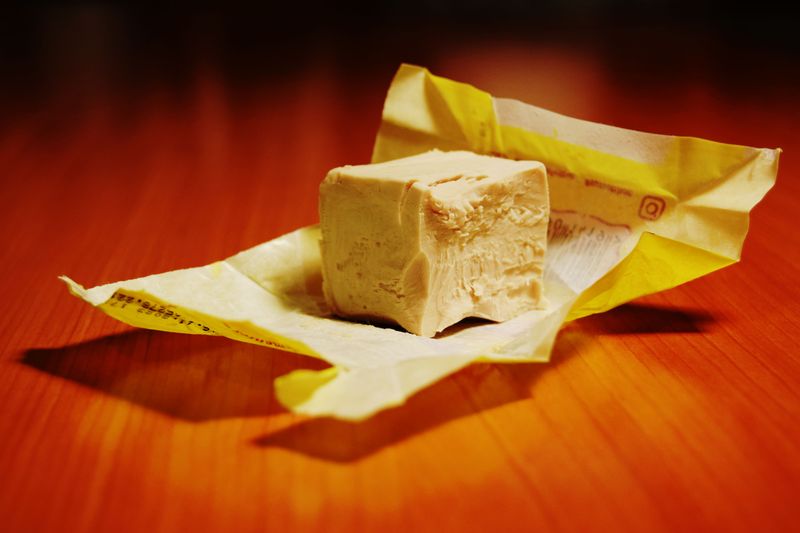
A tiny foil-wrapped cake changed American bread more than any celebrity chef ever did. Charles and Maximilian Fleischmann began producing compressed yeast in Cincinnati in 1868.
Their big publicity moment came at the 1876 Centennial Exhibition in Philadelphia. The brothers ran a model Vienna bakery there, and crowds got to see and taste bread made with dependable yeast.
Why did that matter for sourdough? A starter needs regular feeding, patience, and a warm spot, while a yeast cake simply needed to be bought and dissolved.
For busy home bakers, predictability was a huge selling point. Bread rose on a schedule, the flavor stayed mild, and nobody had to babysit a crock on the back of the stove.
By the 1920s, cookbook bread recipes reflected that shift. Instructions commonly listed one yeast cake dissolved in lukewarm water, followed by kneading and rising times.
That is why your search for a 1920s sourdough loaf can feel like chasing a ghost. The tradition did not vanish from America, but it largely slipped out of the popular household guides.
Here is a fun way to read old recipes with fresh eyes. When you spot the phrase yeast cake, you are looking at evidence of that commercial yeast takeover in action.
Modern bakers can swap fresh cake yeast for active dry or instant yeast with a conversion chart. Just remember that doing so recreates a 1920s yeast loaf, not a sourdough.
Fannie Farmer’s Boston Cooking-School Cook Book Measured Bread Flour Level
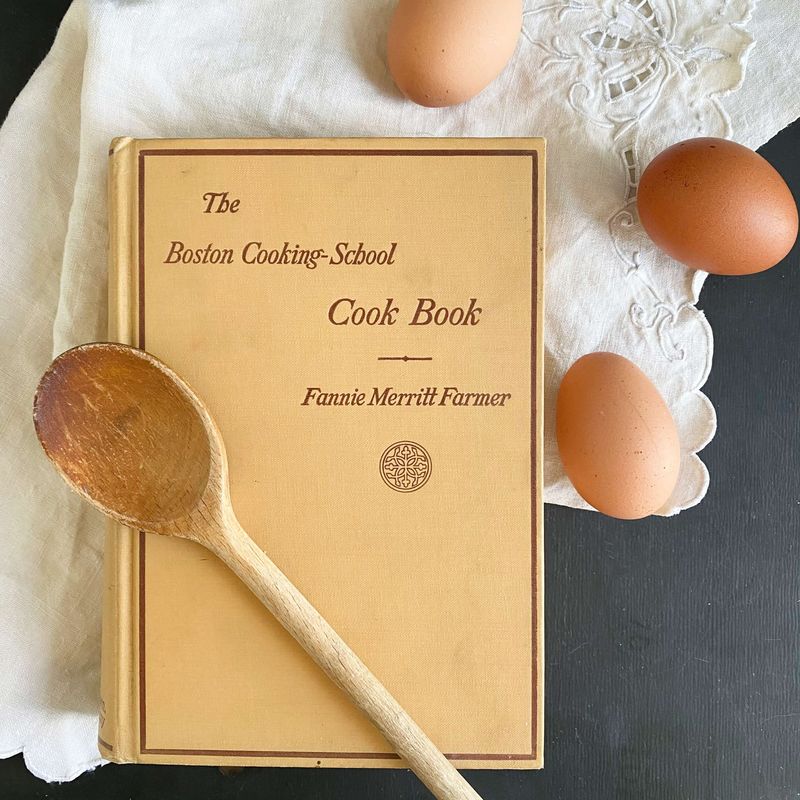
Leveling off a cup of flour with a knife feels obvious now, but it was once a big idea. Fannie Merritt Farmer pushed standardized level measurements in The Boston Cooking-School Cook Book, first published in 1896.
That book went through many revisions and stayed hugely popular into the 1920s and beyond. If you wanted a cookbook that was truly in American kitchens a century ago, this one is a strong pick.
So what does its bread section reveal? Mostly yeast breads, built around compressed yeast and clear measurements rather than a sour starter kept going for weeks.
That precision tells you something about the era’s cooking mood. Science-minded home economics was in fashion, and reliable, repeatable results were the goal.
Sourdough, by contrast, behaves a little like a pet with opinions. Its timing changes with room temperature, flour, and how recently you fed it, which does not fit neatly into a tidy formula.
The Settlement Cook Book, first published by Lizzie Black Kander in Milwaukee in 1901, followed a similar pattern. Its many editions also leaned on yeast for everyday loaves and rolls.
If you own a vintage edition, flip to the bread chapter yourself. Check the edition year on the title page, since recipes and wording shifted between printings.
You might be surprised how familiar the methods feel. Many of those yeast loaves look a lot like the sandwich bread recipes you still find today.
Klondike Prospectors Kept Sourdough Starter Pouches Close Enough to Snuggle
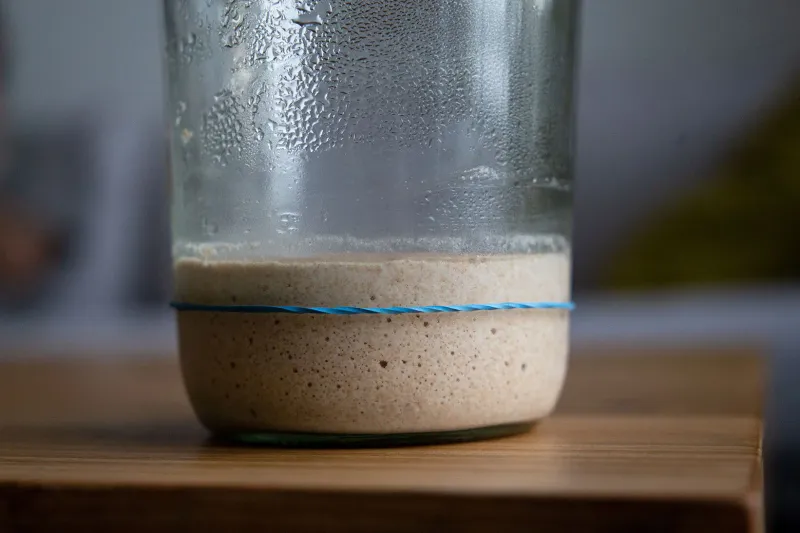
Few nicknames are as earned as this one. During the Klondike Gold Rush of the late 1890s, seasoned prospectors in the Yukon and Alaska became known as sourdoughs.
The name came from the starters they relied on for bread, biscuits, and pancakes. Commercial yeast was hard to keep alive in brutal cold, so a living starter was a practical survival tool.
Stories describe miners keeping starter close to their bodies, even at night, so it would not freeze. Freezing could slow or damage the yeast, and losing your starter meant losing your easy bread supply.
The term stuck around long after the rush faded. In the North, calling someone a sourdough became a way of saying they had survived at least one tough winter there.
Out on the West Coast, another sourdough story was rising. Isidore Boudin started his San Francisco bakery in 1849, and the city’s sourdough became famous for its tangy flavor.
Scientists later studied that tang. In 1971, researchers named a bacterium Lactobacillus sanfranciscensis after the city, linking that famous sourness to specific microbes.
Here is the useful takeaway for your kitchen. These regional traditions show where sourdough kept thriving while mainstream cookbooks moved toward yeast cakes.
If you want a historically grounded flavor, you are really looking toward frontier and West Coast baking. A starter on your counter connects more to those cabins and bakeries than to most 1920s cookbooks.
Saving a Lump of Risen Bread Dough Was the Original Sourdough Starter Trick
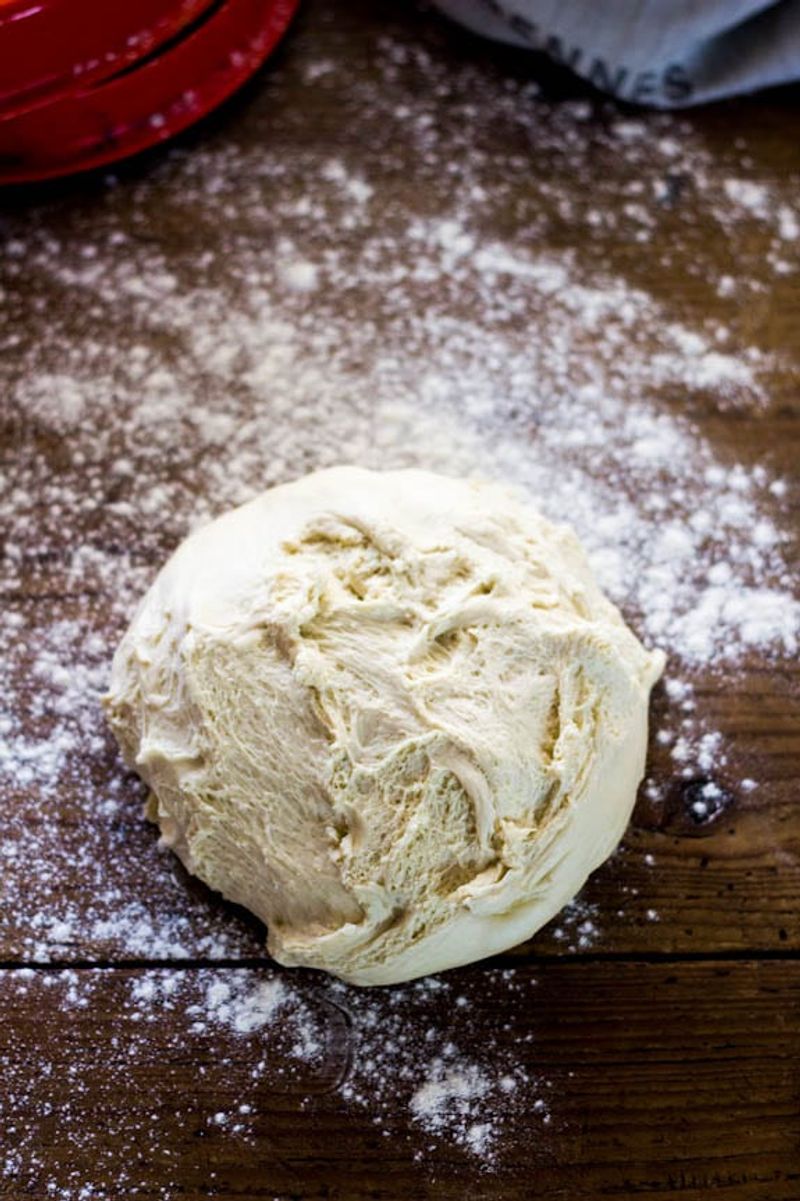
Some old bakers never measured out a starter at all. They simply pinched off a piece of risen dough and saved it to leaven the next batch.
Bakers today often call this an old dough method. It worked because that saved lump already held active wild yeast and bacteria ready to get to work.
Notice how different that looks from today’s typical starter. Many modern bakers keep a wet, batter-like mixture of equal parts flour and water by weight.
A firm dough piece is easier to carry and store in some ways. A wet starter, though, is simpler to stir, measure, and feed on a regular schedule.
Older written instructions, often called receipts, tended to skip exact amounts. Bakers judged dough by touch, smell, and how fast it rose in a warm room.
That can be frustrating if you want a precise rebuild. It also explains why recreating truly old sourdough is more about technique than following a printed list.
Want to try the idea at home? Next time you mix a sourdough loaf, set aside a small piece of the shaped dough in a covered jar.
Keep it in the fridge and work it into your next batch within a few days. Modern food-safety sense still applies, so toss anything that smells off or shows mold.
Sour Milk and Baking Soda Bread Tasted Tangy Without a Sourdough Starter
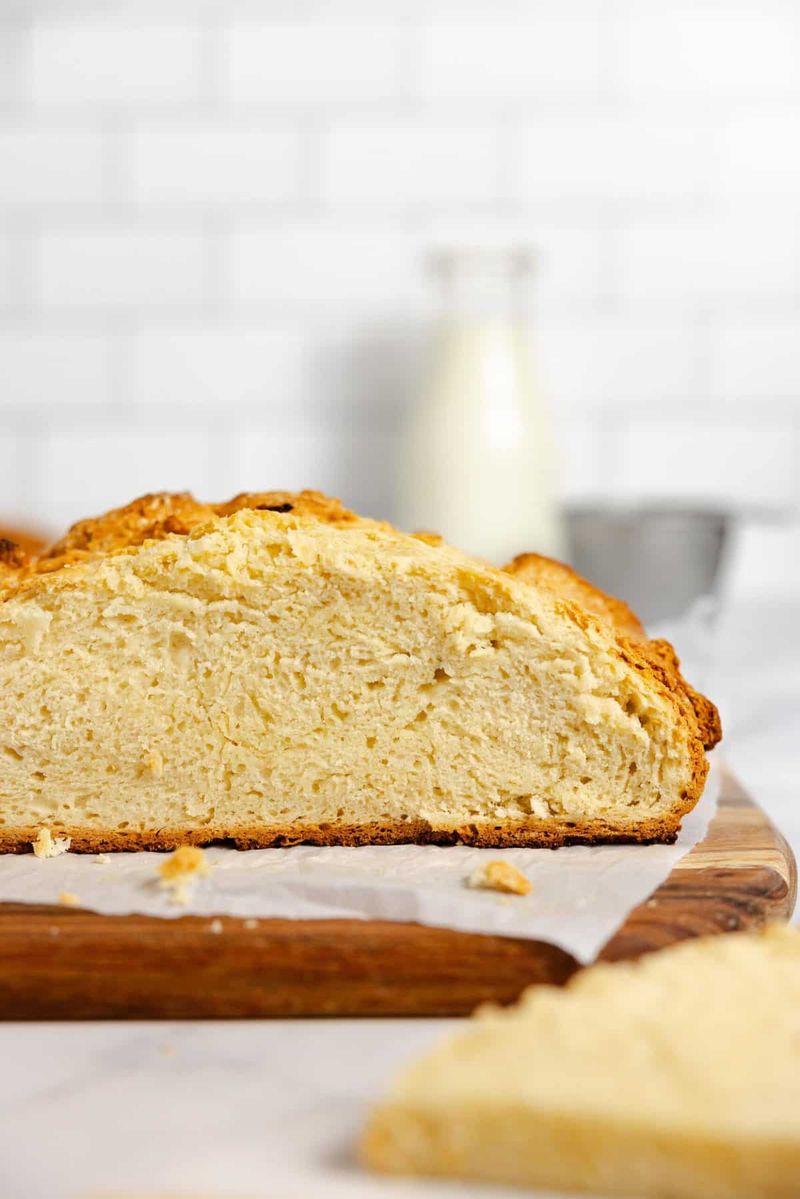
Plenty of old recipes say sour right in the ingredient list, yet contain no starter at all. They call for sour milk, and that is a whole different chemistry lesson.
Here is how it works. The lactic acid in soured milk reacts with baking soda and releases carbon dioxide, which makes batter and dough puff up.
Bakers used this trick for quick breads, biscuits, griddle cakes, and gingerbread. It was also a practical way to use milk that had turned before refrigerators were common in homes.
So why does this matter for your sourdough hunt? Because a vintage recipe titled sour bread might really be a soda bread, and mixing them up would be a big mistake.
True sourdough rises slowly from living yeast and bacteria over many hours. Sour milk bread rises fast from a chemical reaction that starts the moment wet meets dry.
The textures differ too. Soda-leavened loaves tend to be tender and cake-like, while sourdough loaves are chewier with a more open crumb.
Modern safety advice is worth a quick mention here. Old raw milk soured naturally, but today’s pasteurized milk tends to spoil rather than sour pleasantly, so it is not a safe stand-in.
Most bakers now use buttermilk or regular milk mixed with a spoonful of lemon juice or vinegar. You get a similar reaction without guessing whether your milk carton is sour or just plain bad.
A Moderate Oven Meant Guessing Crusty Bread Temperatures by Hand
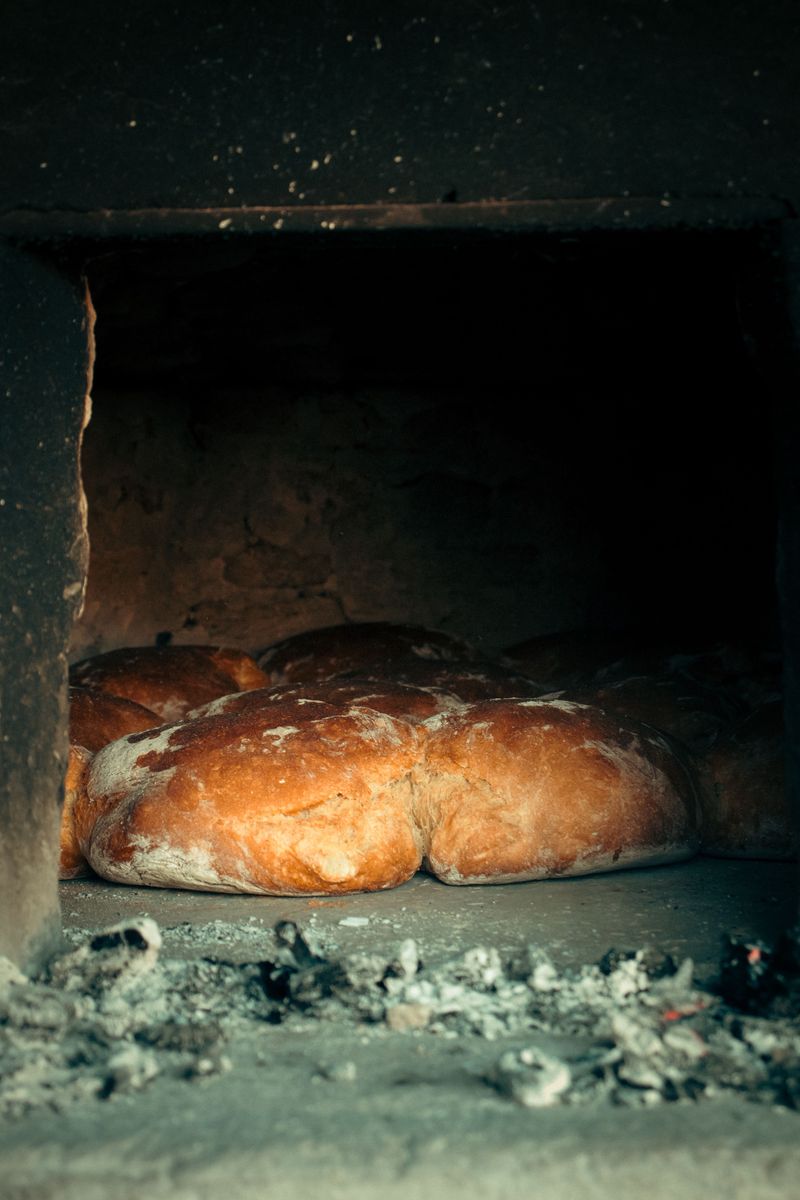
Old bread recipes love telling you to bake in a hot oven and then leave you completely on your own. Phrases like quick oven, moderate oven, and slow oven show up constantly in older cookbooks.
That vagueness made sense at the time. Many home stoves burned wood or coal, and their heat rose and fell depending on the fuel and the cook’s attention.
Thermostats changed the game. The American Stove Company introduced the Lorain oven heat regulator for gas ranges in 1915, giving home cooks a way to set a temperature.
Not everyone had one by the 1920s, of course. Plenty of kitchens still relied on experience, and some cooks tested heat by holding a hand inside the oven and counting.
For sourdough, heat control matters a lot. A strong early blast helps the loaf spring up and set a crisp crust before the inside finishes baking.
If you rebuild an old recipe, translate those vague words carefully. Many modern guides treat a moderate oven as roughly 350 to 375 degrees Fahrenheit and a hot oven as around 400 to 450.
Those conversions are approximations, not historical rules. Old ovens varied wildly, so treat any number as a modern interpretation.
A cheap oven thermometer is your best friend here. Home ovens can run hotter or cooler than their dials claim, which would have made those old cooks laugh knowingly.
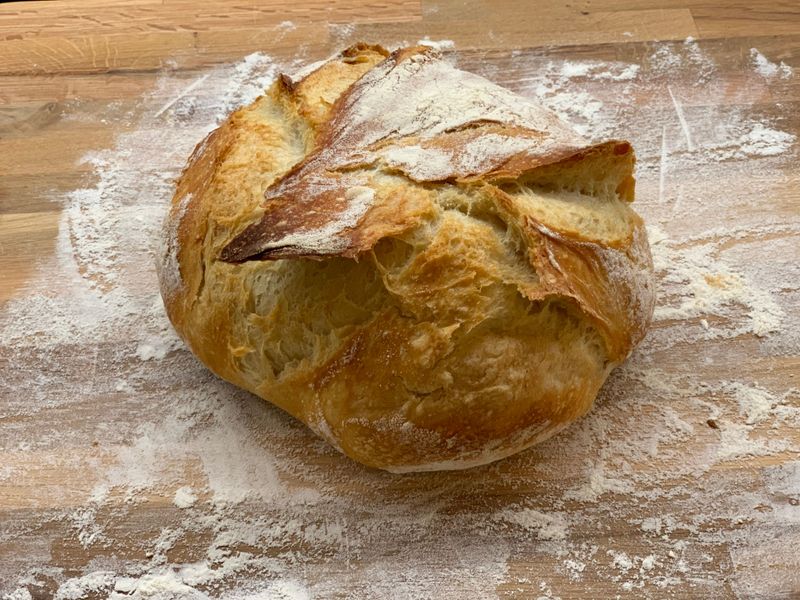
A Modern Country Sourdough Boule Bridges Old Methods and Today’s Kitchen Scale
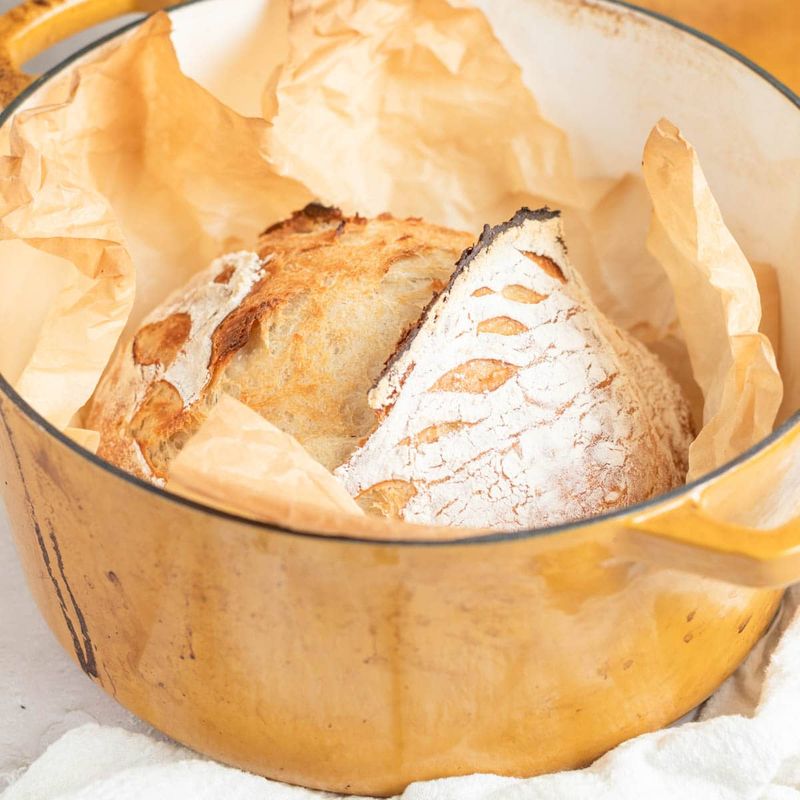
Nobody in a 1920s household guide handed out gram weights for sourdough, so this part is proudly modern. Consider it a clearly labeled adaptation inspired by older methods, not a copy of any historical recipe.
It keeps the spirit of the old ways, meaning flour, water, salt, and a living starter. The measurements and Dutch oven, though, come straight from current home baking practice.
Ingredients:
- 100 grams active starter, fed 4 to 12 hours earlier
- 350 grams lukewarm water
- 500 grams bread flour
- 10 grams salt
Steps:
- Mix starter, water, and flour until no dry bits remain, then rest 30 minutes.
- Add salt and squeeze it in until fully mixed.
- Do 3 or 4 sets of stretch and folds, 30 minutes apart.
- Let the dough rise until puffy and about 50 percent larger, often 4 to 8 hours at room temperature.
- Shape into a round, place in a floured basket, and refrigerate overnight.
- Preheat a Dutch oven at 450 degrees Fahrenheit for 45 minutes.
- Score the loaf, bake covered 20 minutes, then uncovered 20 to 25 minutes until deep brown.
Let the loaf cool at least an hour before slicing. Cutting too soon can leave the crumb gummy, which is a lesson that crosses every century.
Timing will depend on your kitchen and starter. Watch the dough rather than the clock, just like those old receipts quietly expected.