Florida lets home bakers sell up to $250,000 a year in cottage foods, one of the highest caps in the country. That number surprises plenty of people who expected a mountain of paperwork.
Under Florida Statute 500.80, a cottage food operation needs no state license, permit, or routine inspection. Sourdough bread qualifies because a properly baked loaf is shelf stable and does not need refrigeration for safety.
I love how simple that makes the starting line.
Simple does not mean rule free, though. Labels need specific wording, sales must stay inside Florida, and certain fillings can push a loaf out of cottage food territory entirely.
A single missing sentence on your label can cause real trouble.
The sections below walk through what qualifies, where you can sell, how to label each loaf, and the local details that state law leaves to your city or county.
Crusty Sourdough Loaves Qualify Under Florida Cottage Food Law
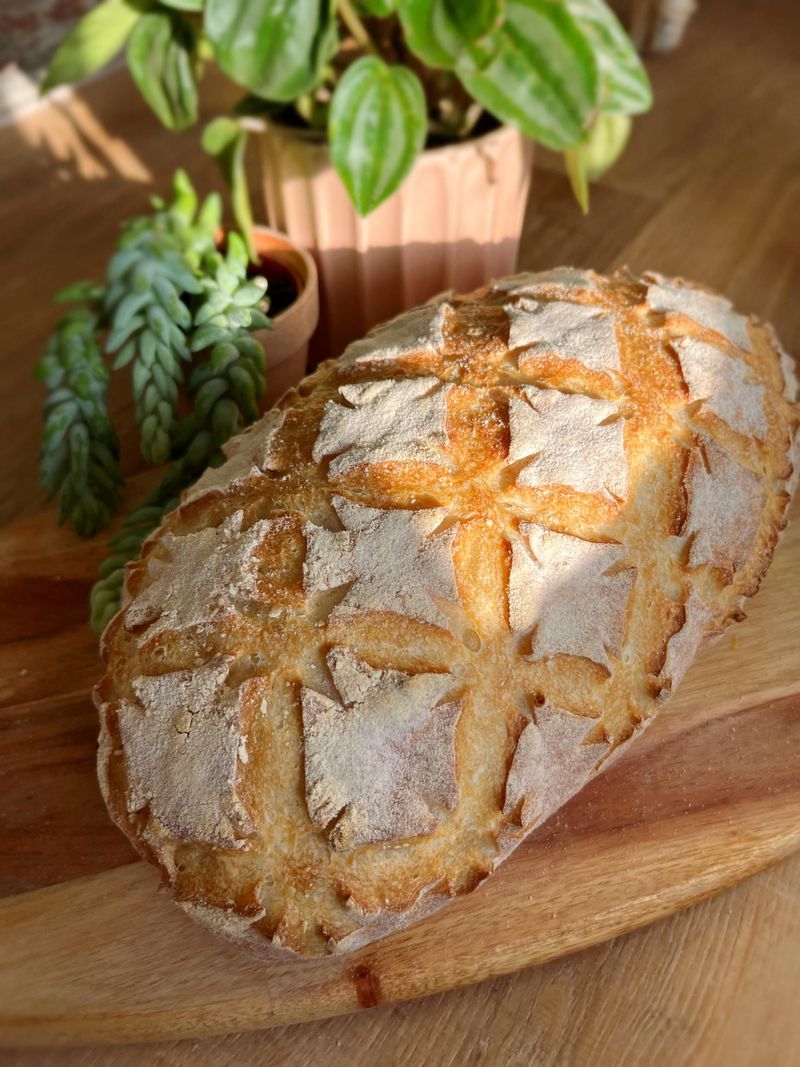
Plain sourdough is one of the easiest products to sell under Florida law. Bread, rolls, and similar baked goods appear on the list of allowed cottage foods because they do not need time or temperature control for safety.
A finished loaf has low moisture and an acidic crumb, so it can sit on a counter without becoming a food safety risk. Regulators call these non-TCS foods, which stands for foods that do not require time and temperature control for safety.
Your add-ins decide whether a loaf still qualifies. Seeds, dried fruit, nuts, herbs, and hard cheeses baked into the dough are generally treated as shelf-stable choices.
Trouble starts with fillings or toppings that need a fridge. Cream cheese swirls, fresh meat, custards, and similar perishable additions move a product outside cottage food rules.
If you are unsure about a specific recipe, contact the Florida Department of Agriculture and Consumer Services before selling it. Asking first costs you an email, while guessing wrong could cost you a lot more.
Starter and discard sit in a grayer zone than baked bread. Some bakers sell dried starter, but live wet starter is a different product, so check with FDACS before listing it.
No Permit Needed for Your Home Bread Bakery, With a Catch
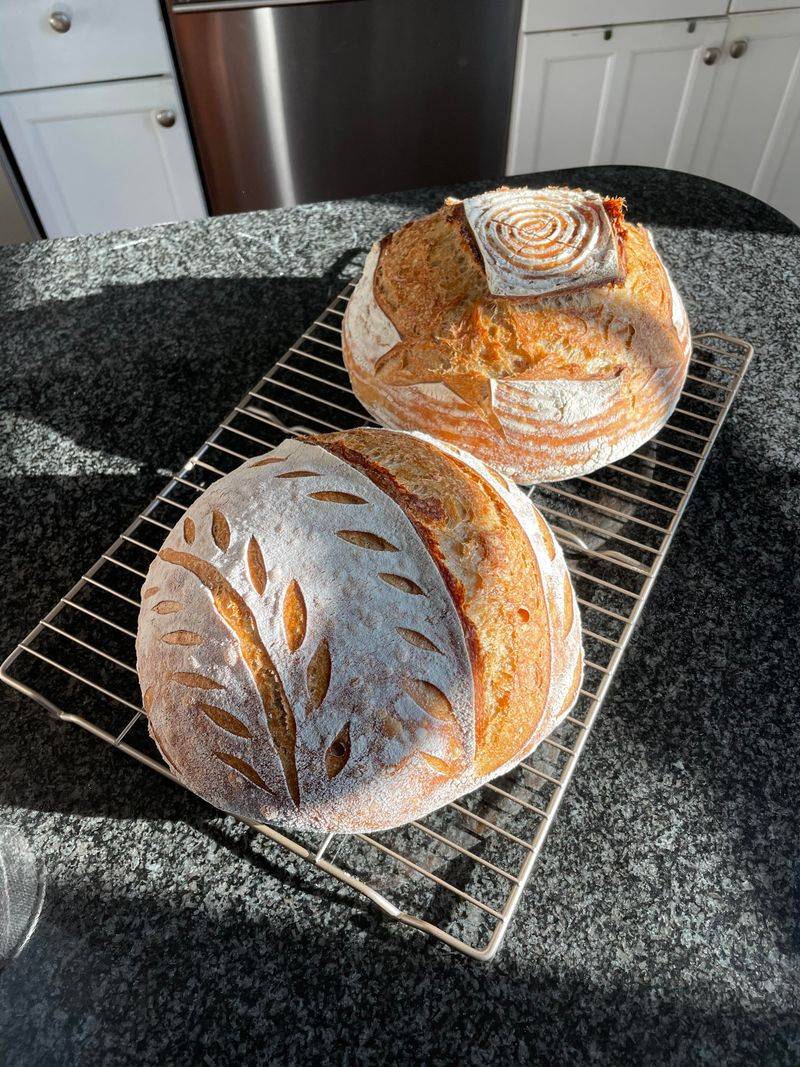
Florida treats a qualifying home sourdough business with surprising trust. Cottage food operations are exempt from state food permits and routine inspections by FDACS.
That exemption is deliberate, not a loophole someone forgot to close. Lawmakers aimed it at low-risk foods made and sold by small home businesses.
The catch is that the exemption only covers operations that follow the rules. You must bake in your primary residence, sell eligible foods, label correctly, and keep sales within state limits.
FDACS can still step in if someone files a complaint. Investigators may inspect your operation when compliance concerns come up, so a tidy, rule-following kitchen matters.
Food safety training is not required by the state, but it is smart. You remain legally responsible for every loaf you sell, which is a strong argument for learning safe handling basics.
A short online food handler course covers handwashing, cross-contamination, and allergen awareness. Those topics matter even more when your kitchen also feeds your family, pets, and that roommate who leaves peanut butter everywhere.
Consider keeping pets out of the kitchen during production and storing business ingredients separately. Those habits are not always spelled out in the statute, yet they make complaints far less likely.
The $250,000 Bread Basket Cap Covers Every Loaf You Sell
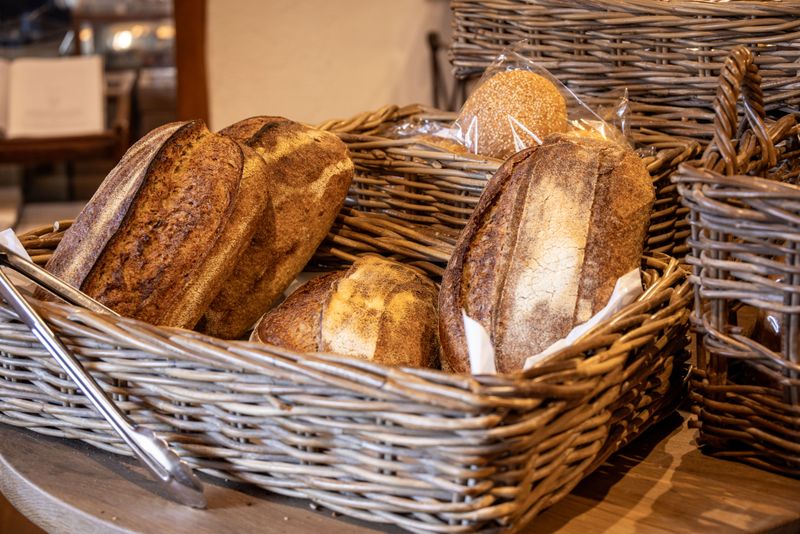
Plenty of states cap home food sales somewhere near $50,000. Florida sets its annual gross sales limit at $250,000, putting it among the most generous in the nation.
Gross is the word to watch here. The cap counts total revenue, not profit, so flour, packaging, and market fees do not reduce the number.
The limit also covers all your cottage food products combined. Sourdough boules, cookies, granola, and jam sales all add up toward the same total.
Crossing that line means your business has outgrown the cottage food exemption. At that point, you would need a permitted commercial kitchen to keep selling legally.
Honestly, that is a pleasant problem to have. Still, tracking revenue from day one keeps the transition from catching you off guard.
FDACS can request documentation of your gross sales. A simple spreadsheet with dates, products, quantities, and amounts makes that request painless.
Payment apps help, but cash sales at markets slip through the cracks easily. Jot down cash totals before you pack up the table, while the numbers are still fresh.
Good records also help at tax time. Your accountant will appreciate organized numbers far more than a shoebox of crumpled receipts.
Farmers Market Sourdough Tables and Other Legal Places to Sell

A Saturday farmers market table piled with crackly boules is classic cottage food territory. Florida allows direct sales to consumers in a wide range of settings.
You can sell from your home, at farmers markets, roadside stands, flea markets, festivals, and similar events. Online orders and mail delivery are also permitted.
Every sale must go directly to the final customer. That direct relationship is the heart of the cottage food model.
Wholesale is off the table. You cannot sell loaves to grocery stores, restaurants, or coffee shops that plan to resell them.
Consignment is also prohibited. Leaving bread at a boutique and splitting the money afterward counts as an indirect sale.
Shipping has a geographic fence too. Online and mail orders must stay within Florida, since crossing state lines brings federal rules into play.
Markets often have their own requirements on top of state law. Some ask for liability insurance, a vendor fee, or a copy of your local business tax receipt.
Read each market application closely before you bake for opening day. Discovering a missing document at the gate would make for a long, bread-heavy drive home.
Sourdough Bread Labels Need This Exact Florida Disclaimer
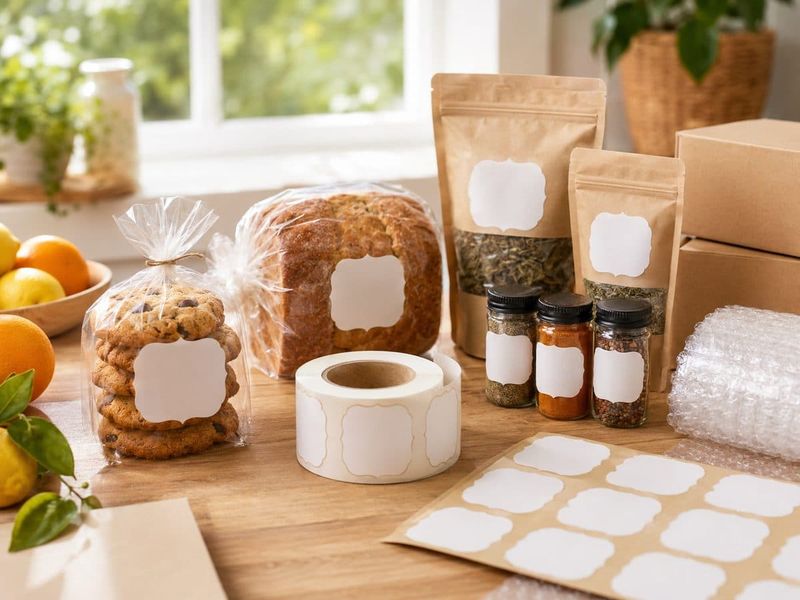
One sentence carries more weight than anything else on your bread bag. Every label must state: Made in a cottage food operation that is not subject to Florida’s food safety regulations.
That statement must appear in at least 10-point type. It also needs to contrast clearly with the label background so customers can read it.
Several other details belong on the label as well:
1. Your business name.
2. The physical street address where the food is made, not a P.O. box.
3. The product name, such as Rosemary Sourdough Loaf.
4. Ingredients listed in descending order by weight.
5. Net weight or volume.
6. Allergen information as required by federal labeling rules.
Products must be prepackaged and labeled before sale. Unwrapped loaves sitting loose on a table do not meet the requirement.
Allergens deserve special care with sourdough. Wheat is obvious, but sesame, nuts, milk, or eggs in specialty loaves must be declared clearly.
Weigh a few loaves to set an honest net weight. Sourdough loses moisture during baking, so weigh finished bread rather than dough.
Cream Cheese Swirl Loaves and Other Fillings That Break the Rules
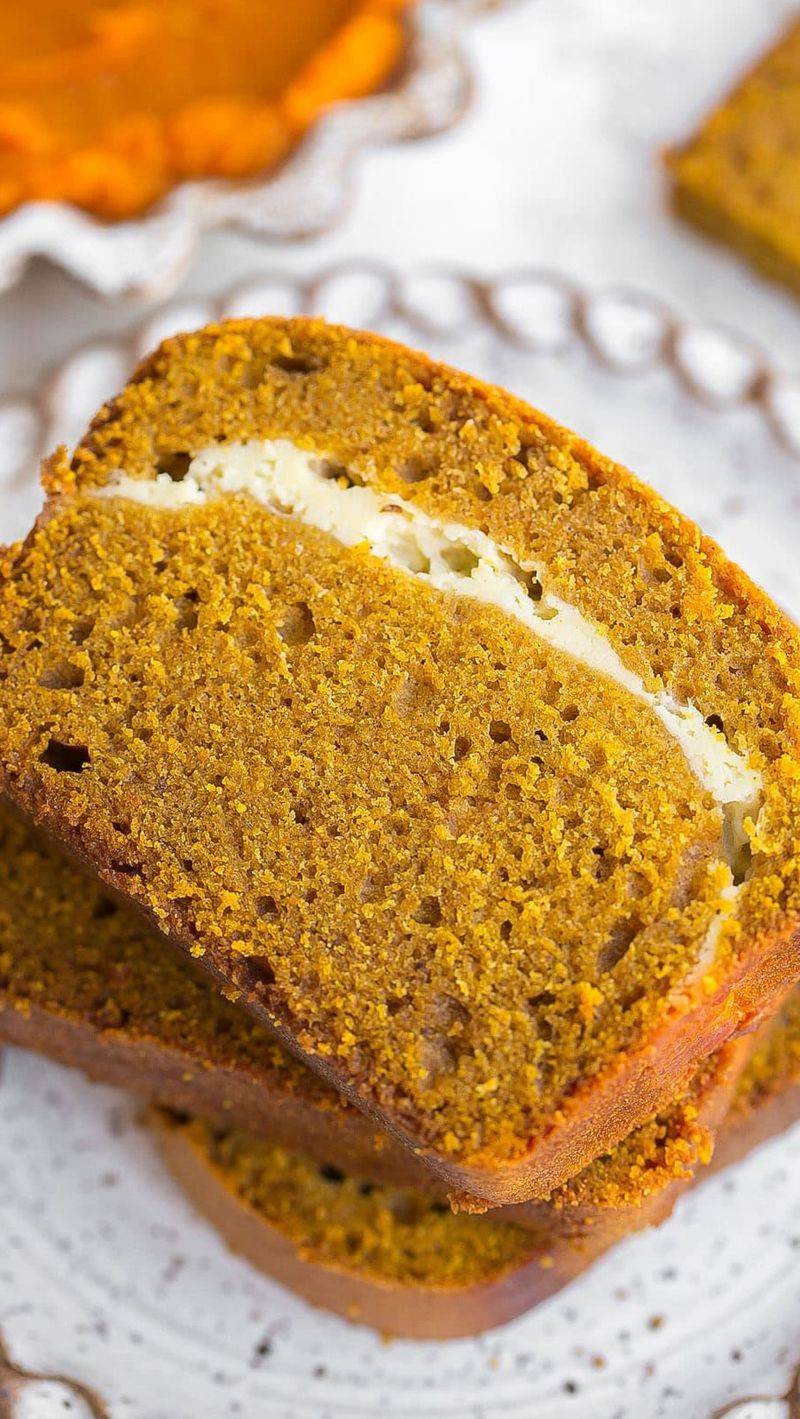
A jalapeno cheddar loaf and a cream cheese swirl loaf might sit side by side in your imagination. Under cottage food rules, they can land on opposite sides of the line.
Ingredients that need refrigeration after baking generally disqualify a product. Cream cheese fillings, fresh meats, custards, and butter-based frostings that require cold storage fall into that group.
Hard cheese baked into the crumb is often considered acceptable, but formulations vary. If a topping stays moist or creamy after baking, treat it as a red flag and ask FDACS.
Garlic in oil is another product to avoid unless you have specific approval. Homemade garlic or herb oils can create botulism risks when stored improperly.
Sourdough focaccia topped with fresh vegetables can also get complicated. Toppings that hold moisture may raise questions that plain olive oil and salt do not.
Sweet options still have plenty of room. Cinnamon raisin, chocolate chip, and dried cranberry walnut loaves usually stay shelf stable.
Build a core menu from clearly approved items first. Experimental flavors can wait until you have confirmed they fit the rules.
Shipping Sourdough Boules Stops at the Florida State Line
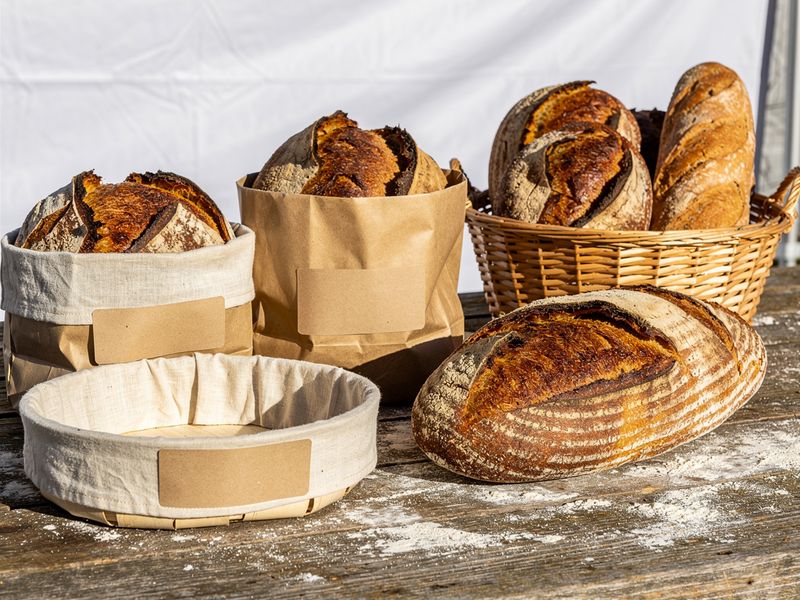
A customer in Georgia loves your Instagram photos and wants a loaf mailed north. Under Florida cottage food rules, you have to politely say no.
Shipping across state lines moves the sale under federal jurisdiction. The Florida cottage food exemption only covers sales within the state.
In-state shipping is allowed, which opens doors in a long state. A baker in Tallahassee can legally mail bread to Key West.
Freshness becomes the practical challenge. Florida humidity and heat can soften crusts and encourage mold on loaves sitting in a hot truck.
Ship early in the week so packages avoid weekend warehouse delays. Wrap fully cooled loaves, since trapped steam invites moisture problems.
Many bakers use paper bags inside boxes for crust-focused loaves. Plastic keeps sandwich-style sourdough soft but makes crusty boules lose their crackle.
Tell customers to slice and freeze what they cannot eat within a few days. That simple note helps your bread arrive and stay at its best.
Your online store should state clearly that you ship within Florida only. Clear checkout rules prevent awkward refunds later.
Local Business Tax Receipts and Zoning Rules for Home Bread Bakers

State law skips the food permit, but your county or city may still want paperwork. Many Florida localities require a local business tax receipt for home businesses.
That receipt is about operating a business, not inspecting your kitchen. Fees and requirements vary widely from place to place.
Call your county tax collector and city clerk before your first sale. Ask whether you need a business tax receipt and whether home business rules apply.
Zoning can matter if customers pick up bread at your house. Some neighborhoods restrict traffic, signs, or parking connected to home businesses.
Homeowners associations can add another layer. HOA rules sometimes limit commercial activity even when state law allows it.
Sales tax deserves a look too. Florida generally exempts many grocery food items, but prepared foods and certain items can be taxable, so confirm with the Florida Department of Revenue.
Registering a business name is another possible step. If you sell under a name that differs from your legal name, Florida may require a fictitious name registration.
A short afternoon of phone calls handles most of these questions. Write down who you spoke with and what they said.
Liability Insurance and Records Protect Your Sourdough Side Hustle
Homeowners insurance usually does not cover business activities. That gap surprises many home bakers until a customer complaint lands.
Product liability insurance can cover claims involving illness or injury tied to your food. Several insurers offer policies built for cottage food sellers and market vendors.
Some farmers markets require proof of coverage before you can set up. Buying a policy early keeps more selling options open.
Good records do double duty as protection. Track batch dates, ingredient lots, and who bought what when practical.
Those details help if an allergen question or complaint arises. You can quickly check which ingredients went into a specific batch.
Keep copies of your labels and any written guidance from FDACS or local offices. Organized documents show you took compliance seriously.
Ingredient changes need label updates right away. Switching to a flour blend with added malted barley or seeds changes what customers need to know.
Review your setup every few months as your business grows. Sales totals, new products, and new markets can each change which rules apply to you.
Staying informed is easier than fixing problems afterward. FDACS posts cottage food guidance, and checking it yearly keeps your bakery on solid legal footing.